
To Be a King
Play To Be a King
To Be a King Screenshots
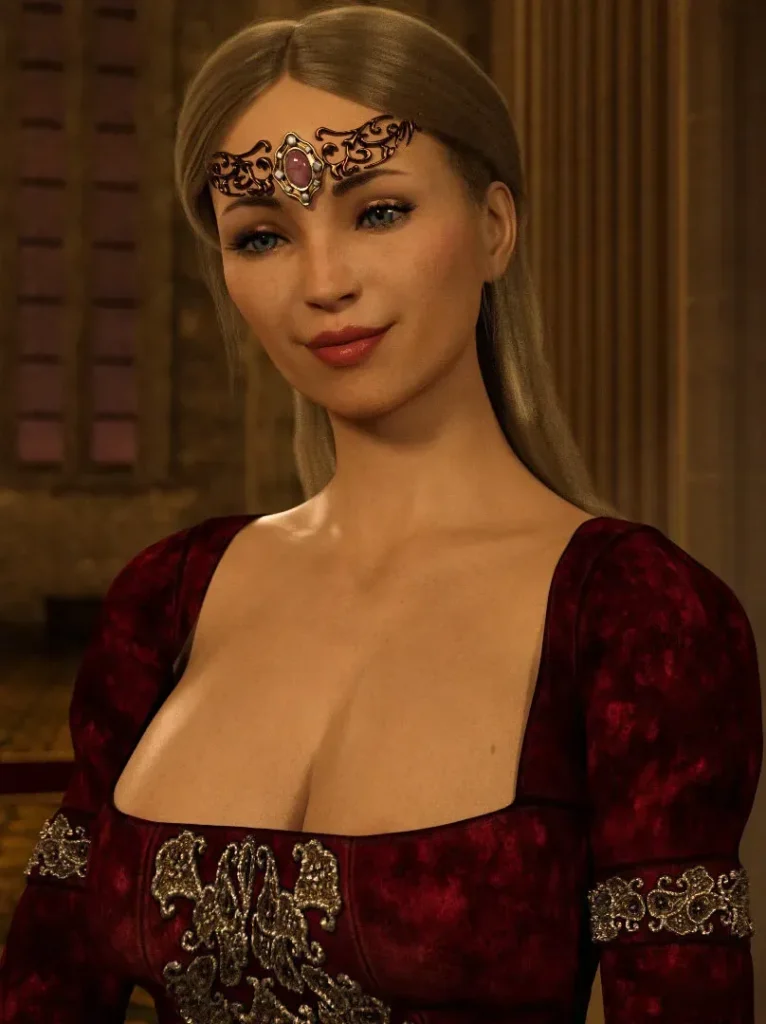





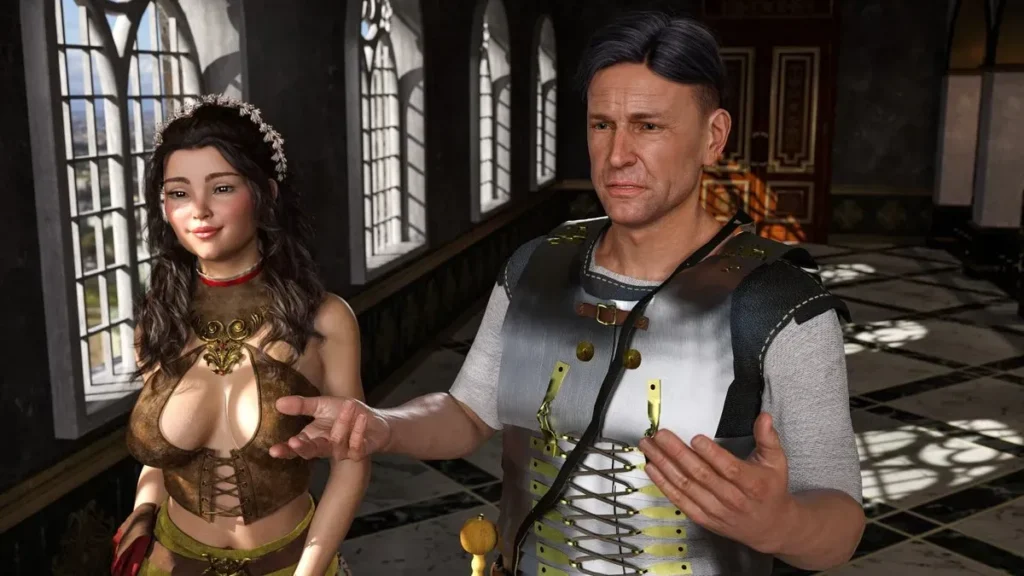
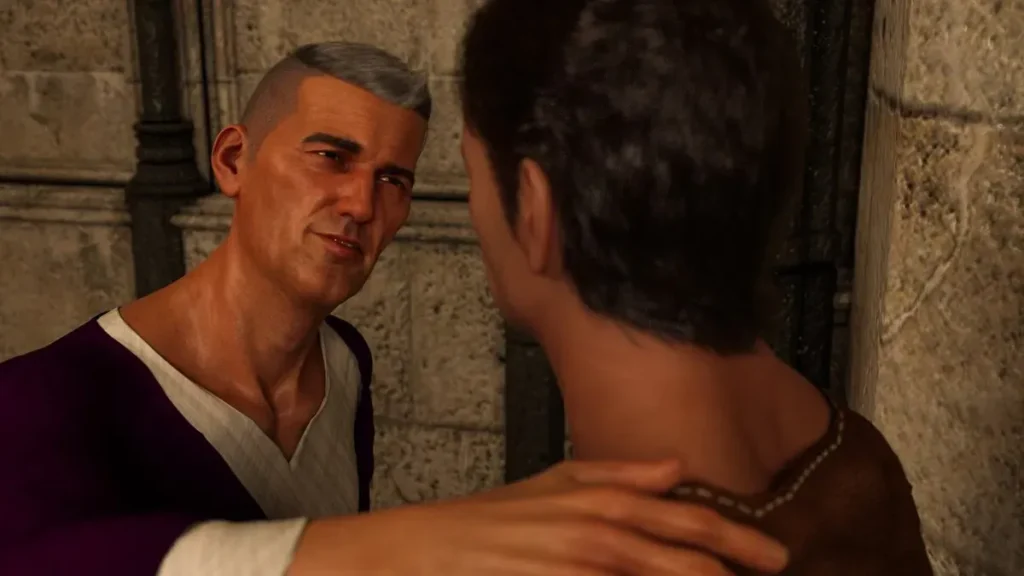
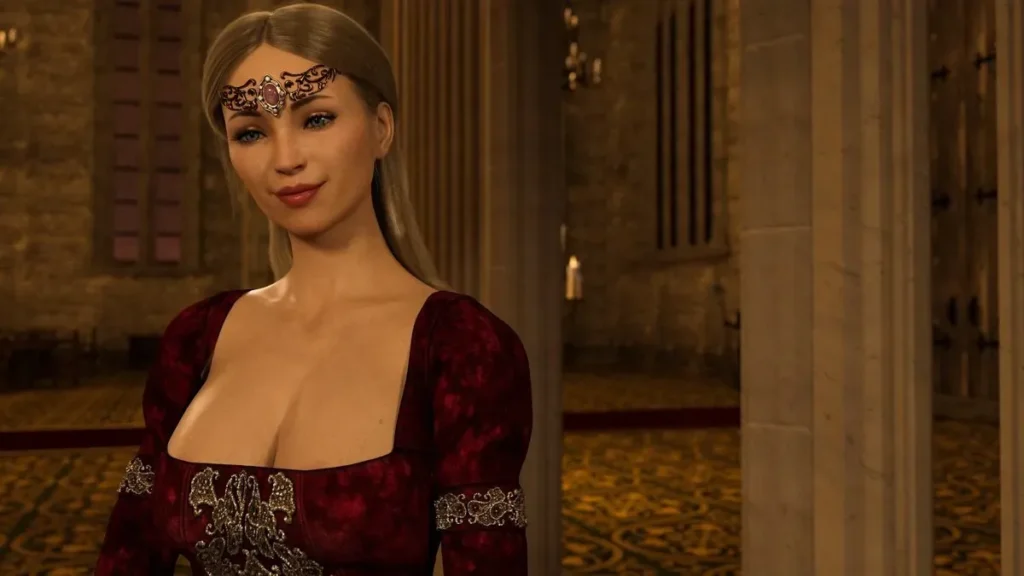
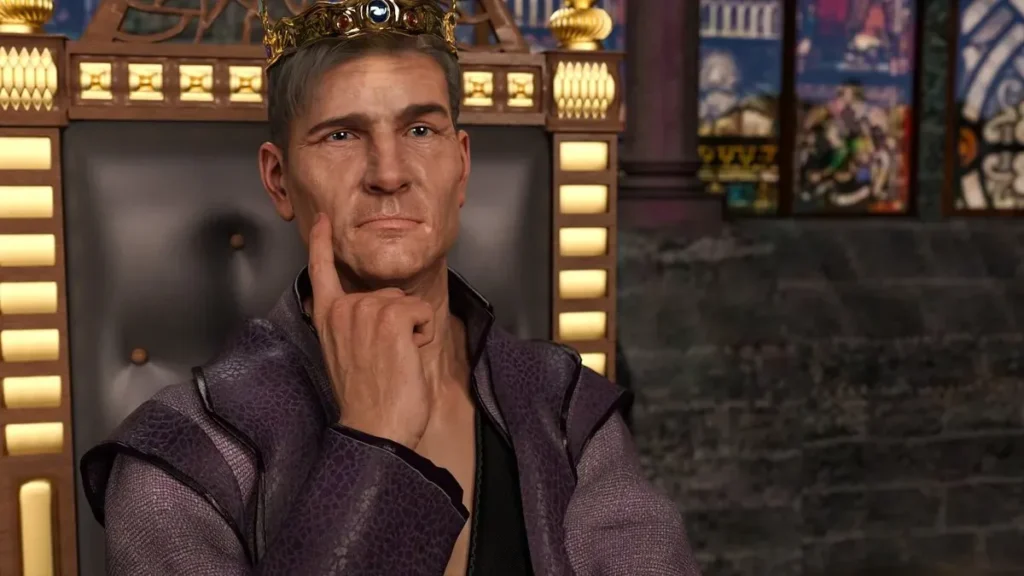

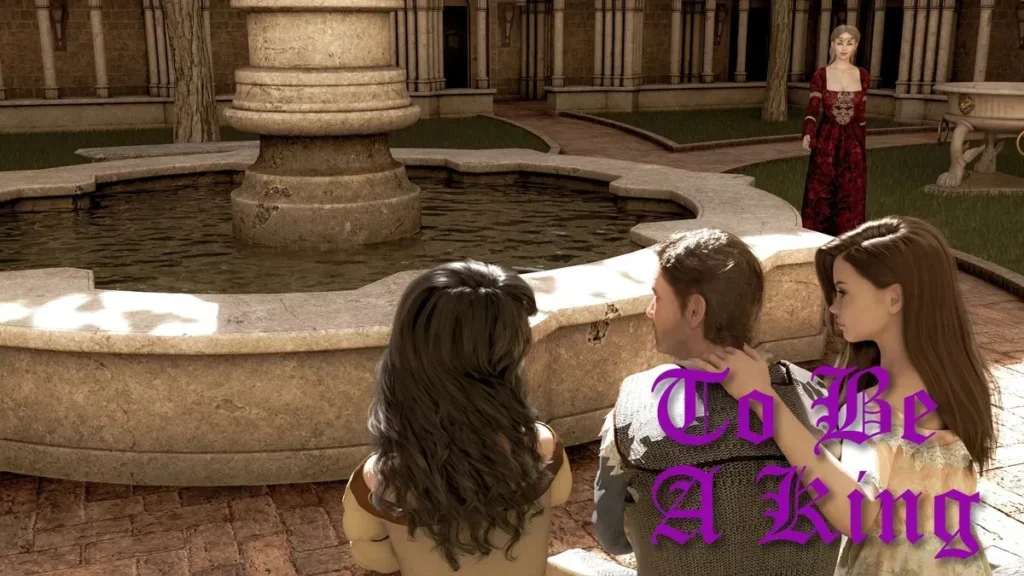

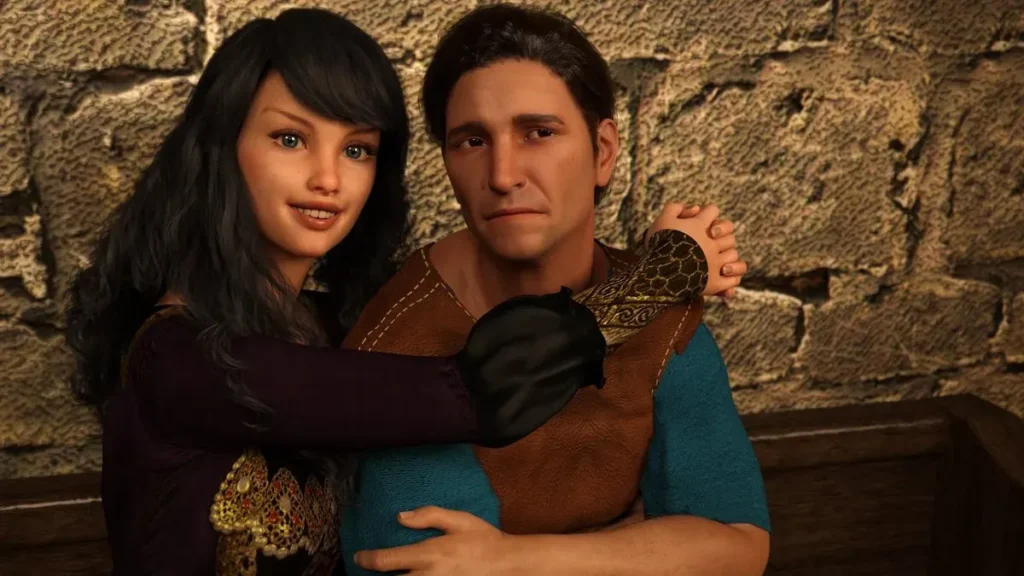


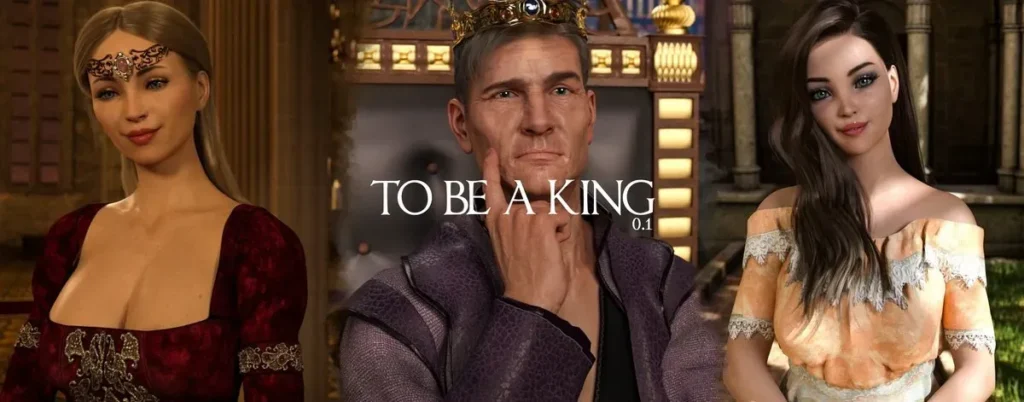
To Be a King review
Master the strategy, romance, and political intrigue in this adult visual novel
To Be a King stands out as a sophisticated adult visual novel that blends time management, strategic decision-making, and narrative depth. This interactive fiction experience puts you in control of a character’s rise to power within a Roman Empire setting, where every choice shapes your political standing and personal relationships. Whether you’re drawn to the complex gameplay mechanics, the branching storyline filled with political intrigue, or the character-driven romance options, this guide explores what makes To Be a King a compelling choice for players seeking mature, story-rich gaming experiences. Discover how to navigate alliances, manage your time effectively, and unlock the full potential of this richly detailed visual novel.
Gameplay Mechanics & Core Features
Ever felt like there just aren’t enough hours in the day? Welcome to the life of a monarch-in-training. The heart of To Be a King gameplay mechanics isn’t just about making the right choice—it’s about finding the time to make it. This isn’t a passive story you watch unfold; it’s a hands-on, pulse-quickening simulation of ruling a kingdom while managing your heart. You’ll be pulled in a dozen directions at once, and how you allocate your most precious resource—your attention—will determine whether you become a legendary ruler or a footnote in history.
Let’s dive into the systems that make this choice-based narrative game so deeply engaging and, at times, wonderfully stressful. 🏰
Time Management System & Resource Allocation
Imagine your daily planner is the key to saving a kingdom and winning hearts. That’s the brilliant, punishing, and addictive core of this time management visual novel. Each in-game week is a precious puzzle. You have a set number of action points distributed across mornings, afternoons, and evenings, and every activity—from reviewing military reports to sharing a private drink with a potential lover—costs time.
This isn’t just busywork. The pressure is real. Will you spend your evening training your swordsmanship to prepare for a looming duel, or will you attend a noble’s salon to gather whispers of a conspiracy? You can’t do it all. I learned this the hard way on my first playthrough. I was so focused on charming every interesting character I met that I let my political influence and military readiness crumble. The result? A stunning romantic betrayal that stemmed directly from my neglected kingdom’s instability. The game doesn’t punish you arbitrarily; it shows you the logical consequences of your priorities.
To master this, you need a strategy. Here’s a practical, step-by-step guide for effective time allocation I developed after a few (dozen) failed kingdoms:
- Diagnose Your Kingdom’s Health First. Every Monday, check your council screen. Are your Treasury, Military, and Influence stats in the green? If one is dipping into the red, make fixing it your top priority for the week. A bankrupt or weak kingdom limits all your future options.
- Identify Critical Story Events. The map and your advisor’s hints will show you locked events. These often require a specific stat threshold (e.g., “Influence 25”). Dedicate 1-2 time blocks daily to activities that boost that required stat until you unlock it.
- Balance Romance with Duty. Don’t ignore your romantic interests for a whole week, or their affection may cool. Aim for at least one meaningful interaction with your primary love interest every 2-3 days. Save longer, more intimate “evening” actions for when your kingdom is stable.
- Use “Low-Energy” Activities Wisely. Some actions, like light training or reading in the library, cost less time. These are perfect for filling gaps in your schedule to gradually boost stats without consuming a full time block.
- Plan for the Endgame. The final weeks are a sprint. By mid-game, you should have a clear goal: which romance path are you on, and what’s the biggest threat to the crown? Let this vision dictate your late-game time allocation.
The genius of this system is that it makes every decision feel weighty. Choosing to walk in the gardens with a companion means you are choosing not to investigate the shady merchant in the docks. This creates a powerfully personalized story where your unique time management defines your king.
Choice-Driven Narrative & Stat-Based Decisions
In many narrative games, choices are about morality: be a saint or a tyrant. To Be a King is more cunning. Here, your choices are filtered through your capabilities, thanks to its intricate stat-based decision system. You don’t just decide what you want to do; you discover what you are able to do based on the king you’ve built.
Your character is defined by six core attributes: Strength, Agility, Intelligence, Charisma, Influence, and Treasury. These aren’t just numbers on a screen. They are the keys that unlock dialogue options, narrative paths, and solutions to crises. For example, during a tense council meeting, you might face a brewing rebellion:
* With high Intelligence, you could decipher a legal precedent to dissolve their claim lawfully.
* With high Charisma, you might deliver a stirring speech to win the neutral nobles to your side.
* With high Strength and Military stat, the option to simply crush them with a show of force becomes available.
* If your Treasury is empty… well, you might find your options limited to desperate, risky pleas.
This creates an incredible sense of ownership over the story. On my “Scholar King” playthrough, with high Intelligence, I solved mysteries and outmaneuvered plotters with words and wit. On my “Warrior King” run, high Strength opened paths of direct action and intimidation that were previously locked. The To Be a King gameplay mechanics ensure your journey is uniquely yours.
The political intrigue is woven directly into this fabric. Building your Influence stat isn’t an abstract task; it’s done by making allies, completing quests for powerful factions, and uncovering secrets. A choice to help the Merchant Guild might boost your Treasury but anger the traditional Nobles, closing off their unique storylines and support. The game remembers everything, and plot threads you thought were forgotten can resurface dozens of hours later, for good or ill. This isn’t just a branching path; it’s a living web where every decision tugs on multiple strands of the narrative.
Romance Options & Relationship Building
Now, let’s talk about the kingdom of the heart. The romance options strategy in To Be a King is a masterclass in blending character-driven storytelling with strategic gameplay. You are not just picking a favorite from a list; you are cultivating complex, sometimes contradictory, relationships that directly impact your rule. 🥀
There are seven core romance paths, each with a fully realized character arc, unique quests, and specific stat requirements to pursue their “true ending.” The harem game mechanics are present, allowing you to explore connections with multiple characters simultaneously, but be warned: this is a high-risk, high-reward strategy. Characters have their own personalities, jealousies, and moral codes. Some might turn a blind eye to your other dalliances, while others will demand exclusivity and will leave—or worse, betray you—if they discover your divided attentions.
To help you navigate this romantic battlefield, here’s a breakdown of your potential partners:
| Character | Personality & Storyline Focus | Relationship Progression Path |
|---|---|---|
| Lady Eleanor | The noble diplomat. Her path is centered on political marriage, courtly intrigue, and uniting kingdoms through savvy alliances. Focuses on your Influence and Intelligence. | Starts formal and dutiful. Progresses through shared political victories and private moments of vulnerability, moving from partnership to genuine love. |
| Ser Kaelen | The loyal knight. This route explores duty, honor, and the conflict between personal feelings and sworn vows. Tied closely to your Strength and Military stats. | Built on mutual respect and shared danger. Develops from commander and subordinate to trusted confidants and equals, battling external and internal taboos. |
| Lyra the Spy | The mysterious informant. A storyline of shadows, secrets, and learning to trust. Requires high Agility and clever choices to uncover her true loyalties. | Begins with transactional information exchanges. Trust is earned slowly through acts of discretion and courage, peeling back her layers of deception. |
| Baroness Vivienne | The wealthy socialite. A tale of luxury, manipulation, and economic power. Heavily reliant on your Treasury and Charisma stats. | Engages in a game of witty repartee and lavish gifts. What starts as a mutually beneficial arrangement can deepen into a complex partnership of mind and passion. |
| Brother Ansel | The scholarly priest. Explores faith, philosophy, and redemption. Challenges your character’s morality and worldview. Needs high Intelligence. | A meeting of minds through debate and shared study. Emotional connection grows through spiritual and intellectual intimacy, facing crises of faith together. |
| Captain Selene | The adventurous privateer. Focuses on freedom, adventure, and breaking chains of tradition. Connected to Agility and non-conventional choices. | Fueled by a thirst for adventure and a disdain for stuffy rules. Grows from a thrilling pact into a bond of two free spirits against the world. |
| The Court Artist, Remy | The passionate creator. A path about beauty, emotion, and seeing the world differently. Progresses through Charisma and supportive patronage. | Unfolds through shared appreciation for art and beauty. Moves from muse and patron to a deep, emotional connection that inspires great works. |
Managing these To Be a King character relationships is a delicate dance. Each character has a visible “Affection” meter, but also hidden flags for key story decisions you’ve made with them. Giving one character a treasured family heirloom as a gift might be the key to their deepest quest, but another character who sees it might question your judgment. The game’s fully animated intimate scenes and collectible “Memory Cards” you unlock are rewards for nurturing these bonds successfully, serving as both a trophy and a poignant reminder of your shared story.
My Pro-Tip for Romance: Don’t try to romance everyone on your first serious playthrough. Pick one or two that fit your chosen “king” archetype. Focus on raising the stats they value and making choices that align with their worldview. The depth and payoff of a single, well-nurtured relationship far outweigh the chaotic mess of trying to please everyone—a lesson true for both kings and players!
Mastering the To Be a King gameplay mechanics is about understanding that everything is connected. The time you spend, the stats you build, the people you love, and the enemies you make are all threads in the same tapestry. It’s a challenging, deeply rewarding experience that perfectly blends the strategic mind of a management sim with the passionate heart of a visual novel. Your crown, and your heart, await your decisions.
To Be a King delivers a mature gaming experience that successfully combines strategic gameplay with compelling narrative choices. The game’s strength lies in its ability to balance time management mechanics with meaningful relationship development and political intrigue, creating a world where your decisions genuinely matter. Whether you’re strategizing your path to the throne, navigating complex political alliances, or pursuing romantic connections with carefully crafted characters, the game offers substantial replay value through its branching storylines and multiple endings. The addition of Volume 2 demonstrates the developer’s commitment to expanding the experience with enhanced strategy elements and deeper alliance systems. For players seeking an adult visual novel that respects their intelligence with intricate gameplay systems and consequential choices, To Be a King stands as a notable entry in the genre. Dive into this Roman Empire adventure and discover how your choices shape your destiny.