How to Fix the Future
Play How to Fix the Future
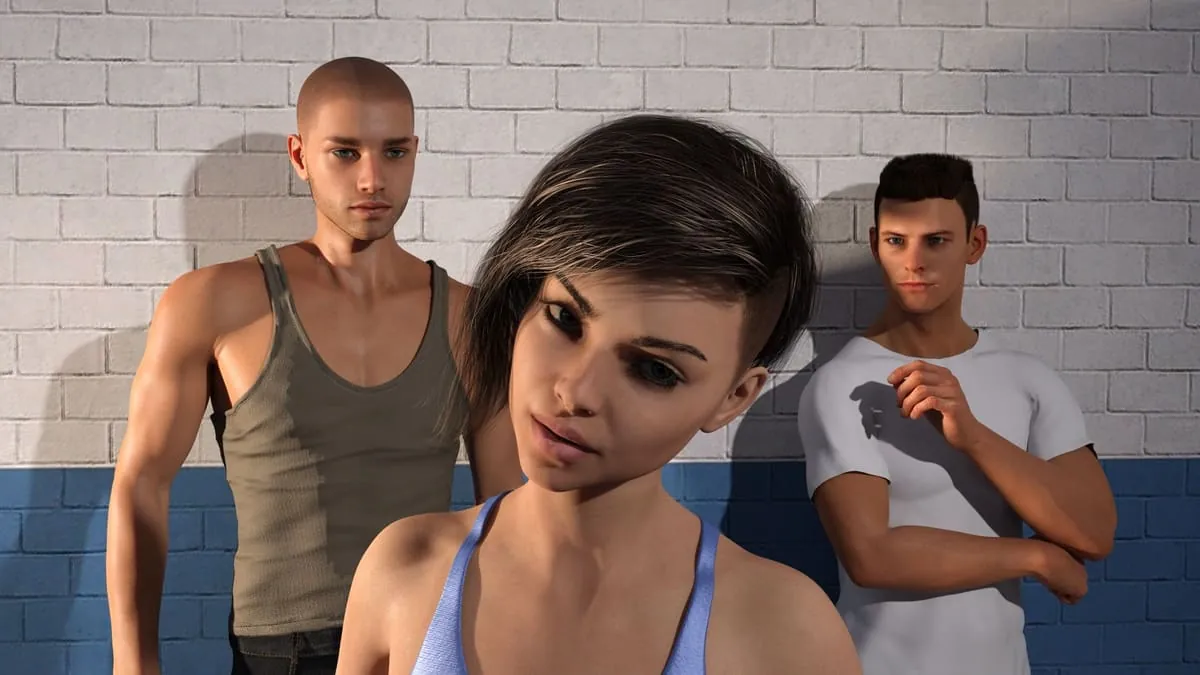
How to Fix the Future Screenshots















How to Fix the Future review
Your complete guide to navigating ripples, managing mood, and unlocking the academy in this interactive adult adventure
If you’ve picked up ‘How to Fix the Future’ and feel stuck in the academy, you’re not alone. This interactive adult game blends narrative depth with unique mechanics that can confuse new players. The key to success isn’t just making the right choices—it’s understanding how your actions create ripple effects and how your character’s mood impacts the outcome. In this guide, I’ll walk you through the essential strategies I used to finally unlock the citadel and see the full story unfold. Whether you’re trying to pause on ‘Deja Vu’ moments or keep your stress levels low, these tips will help you fix the future without breaking the game.
Understanding the Ripple Effect and Deja Vu Moments
How to Pause on Critical Deja Vu Moments
Let me tell you about the first time I played How to Fix the Future. I was cruising through the early scenes, feeling clever, making choices that I thought were solid. Then, out of nowhere, the screen flickered – just a quick glitch, like a skipped frame. I ignored it. Big mistake. Thirty minutes later, I hit a dead end. A character I needed to impress gave me the cold shoulder, and the story collapsed into a mess of contradictions. I had missed a critical moment. That tiny screen flicker was a Deja Vu moment – a signal that I needed to stop, stare, and remember every detail. In this fix the future game, if you don’t catch these visual cues, you’re basically flying blind. 🎯
So what exactly is a Deja Vu moment? It’s the game’s way of saying “pay attention, something important just shifted.” You’ll see it in two classic forms: the screen flicker and the highlighted dialogue. Think of it as a ripple in time. When you see that flicker, it means your past choices are echoing forward. The highlighted dialogue – often in a strange color like amber or neon blue – is a clue that those words carry hidden weight. Miss them, and the timeline breaks. But catch them, and you unlock deeper paths, including the mysterious academy and citadel areas. ** Remember every detail** because those details are the keys to mastery. 🔑
Here’s a quick reference to help you spot these cues and react:
| Visual Cue | What You See | Your Action |
|---|---|---|
| Screen Flicker | Brief glitch or stutter in the scene | Pause immediately and note the context |
| Color Highlight | Dialogue text in amber, blue, or green | Read carefully, remember the exact words |
My advice? Train your eye like a hawk. During your first playthrough, keep a notepad or a note app open. Whenever you spot a screen flicker or highlighted dialogue, jot down the scene, the character, and the choice you made. This habit turned my game around. I started seeing connections I had missed – characters referencing events I barely remembered, doors opening that had been locked before. Remember every detail isn’t just a slogan; it’s the mechanic that drives the whole fix the future game. 🕵️♂️
Identifying Ripple Effects in Dialogue
Ripple effects are the bread and butter of How to Fix the Future. Every Deja Vu moment creates a ripple effect that influences later conversations, relationships, even entire locations like the academy. The key is to catch these ripples while they’re small. I once missed a highlighted dialogue where a character casually mentioned a “favor from the past.” That single line turned into a huge plot branch that I couldn’t access because I hadn’t noted it. Ripple effect means cause and consequence stretched over time – ignore the cause, and you lose the consequence.
So how do you identify these ripple effects in dialogue? Look for two things: repetition and contradiction. If a character says something that seems oddly familiar, or if their mood shifts without an obvious reason, that’s a ripple effect in action. The highlighted dialogue is your biggest clue. For example, in one scene, a mentor figure told me “trust is fragile” in bright amber text. I wrote it down. Later, in a negotiation with a rival faction, that same phrase popped up – and I was able to choose the right response because I remember every detail. That choice opened the citadel for me. 🌊
Here’s a tip: after any critical moment, scan the next few dialogue options for subtle nods to what you saw. The game is designed to reward your memory. Ripple effect chains can span multiple scenes – sometimes across different days of gameplay. One missed screen flicker and a major ripple effect might turn into a dead end. But track them, and you start to see the fix the future game as a web of interconnected threads. 🕸️
Why Remembering Details Changes the Future
Why does remember every detail matter so much? Because in How to Fix the Future, your memory is the only tool that can break the cycle of failure. Think of it this way: each Deja Vu moment is a branch in a timeline. If you don’t remember every detail, you follow the branch blindly. But if you catch that screen flicker or highlighted dialogue and store it away, you can choose which branch to take. That’s how you unlock the academy and the citadel – those areas are locked behind specific ripple effects that require precise recall.
I learned this the hard way during my second attempt at the game. I had missed a critical moment early on – a minor screen flicker during a conversation with a bartender. I thought it was nothing. But later, when I tried to enter the academy, the gatekeeper asked me about a “promise made at dusk.” I had no clue what she meant. That promise was the highlighted dialogue I’d ignored. Without it, the academy stayed closed. I had to restart and remember every detail from scratch. That lesson stuck with me. 🔄
Remember every detail isn’t just about winning – it’s about immersion. The fix the future game rewards you for being present. When you notice the screen flicker and pause, you’re not just playing; you’re participating in the story on a deeper level. The ripple effect becomes a tool for discovery rather than a punishment for forgetfulness. So take it slow. Note each critical moment. Train your eye to catch every highlighted dialogue. That’s how you fix the future – by paying attention to the present. ✨
Mastering ‘How to Fix the Future’ requires more than just making choices; it demands sharp observation and emotional balance. By pausing on every Deja Vu moment and remembering the details, you unlock the ripple effects that drive the story forward. Don’t forget to keep your mood calm—stress leads to poor decisions that can break your timeline. Now that you know how to navigate the academy and citadel, go back and try these strategies. Fix the future your way, and see what happens when you finally get it right.