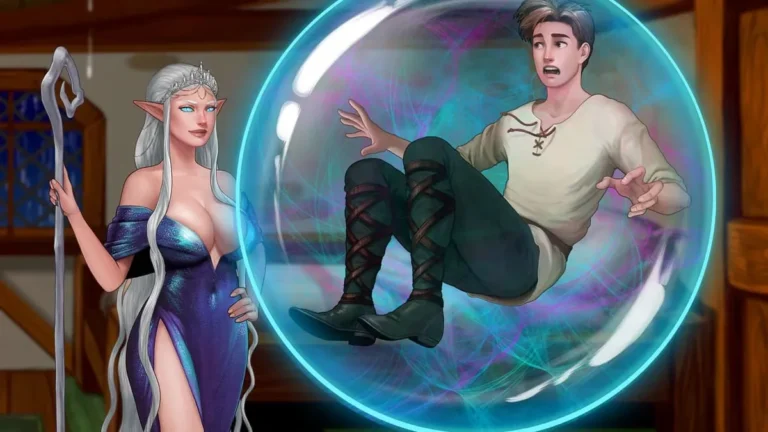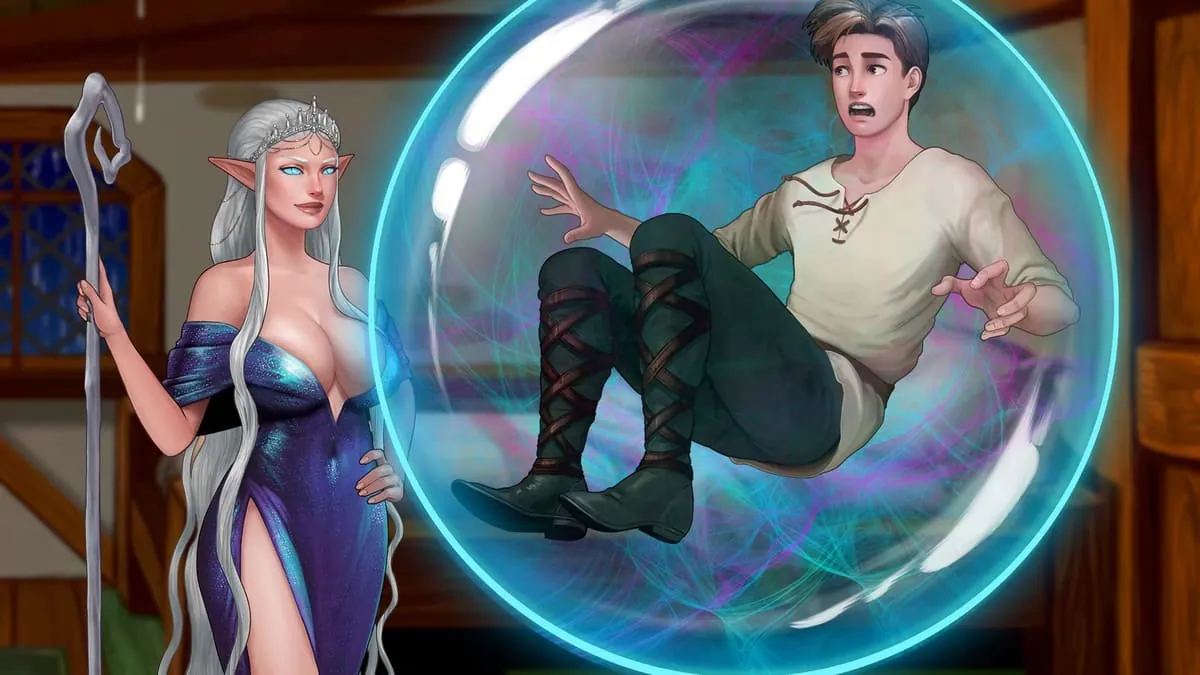
What a Legend!
Play What a Legend!
What a Legend! Screenshots






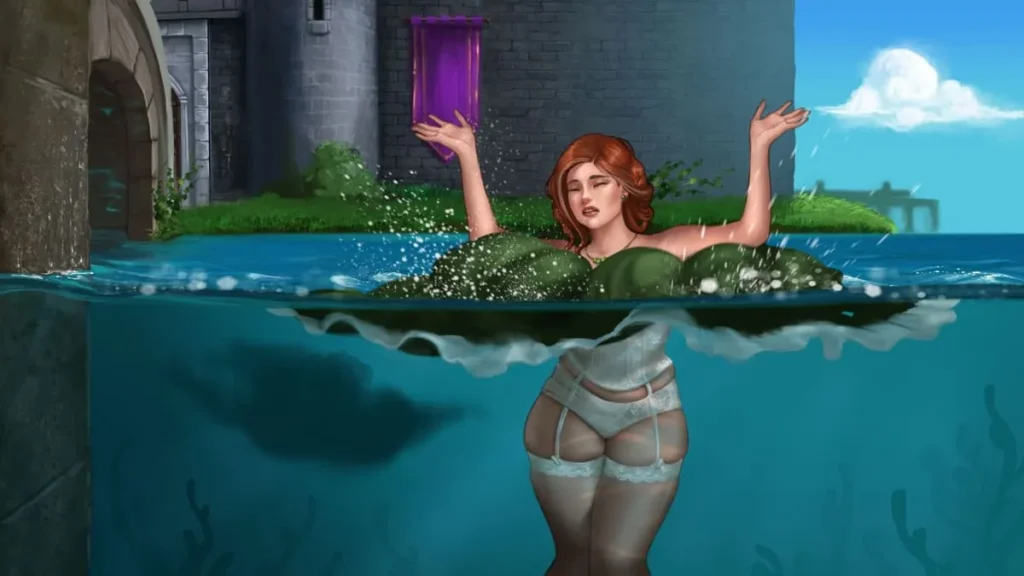
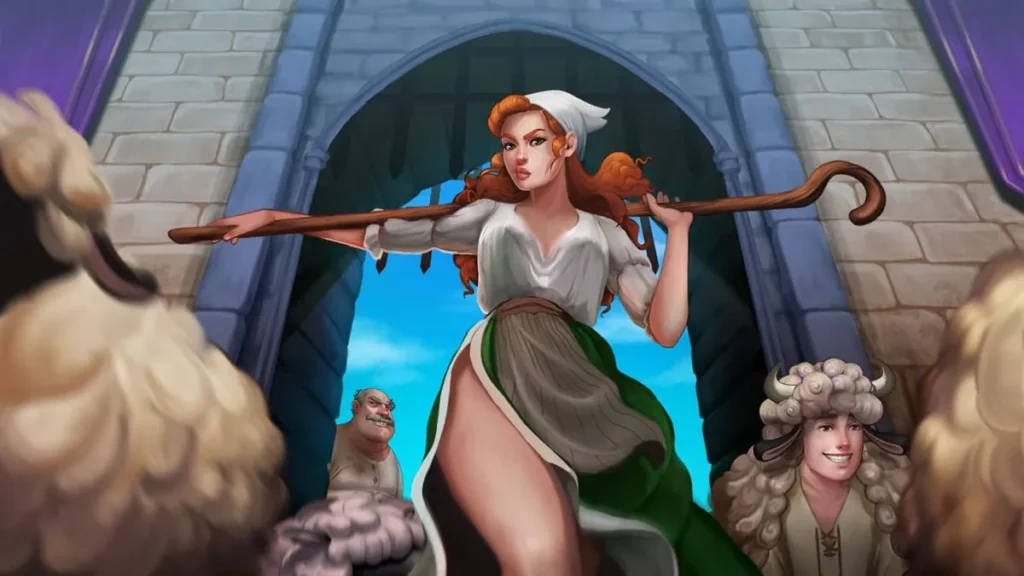
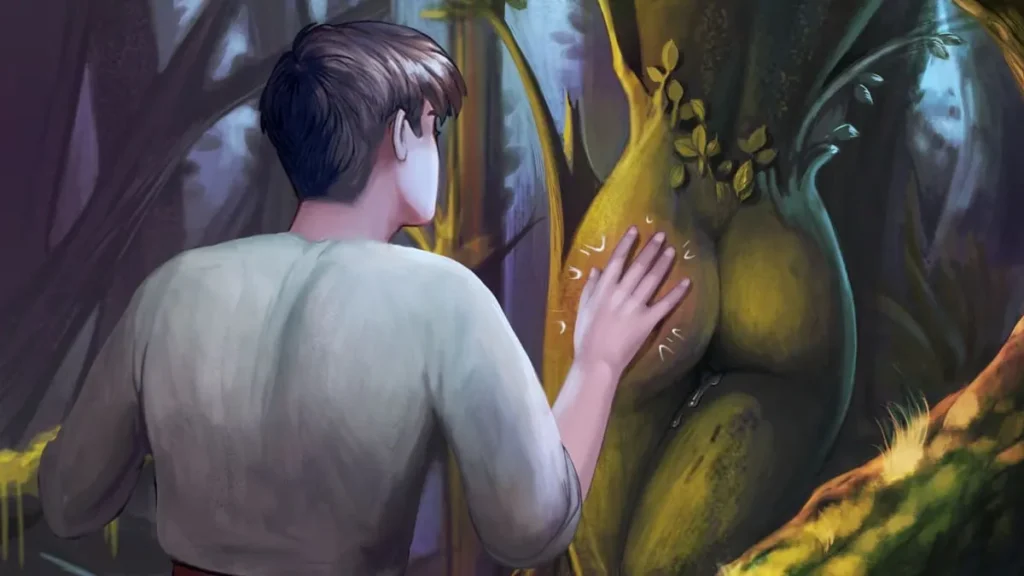
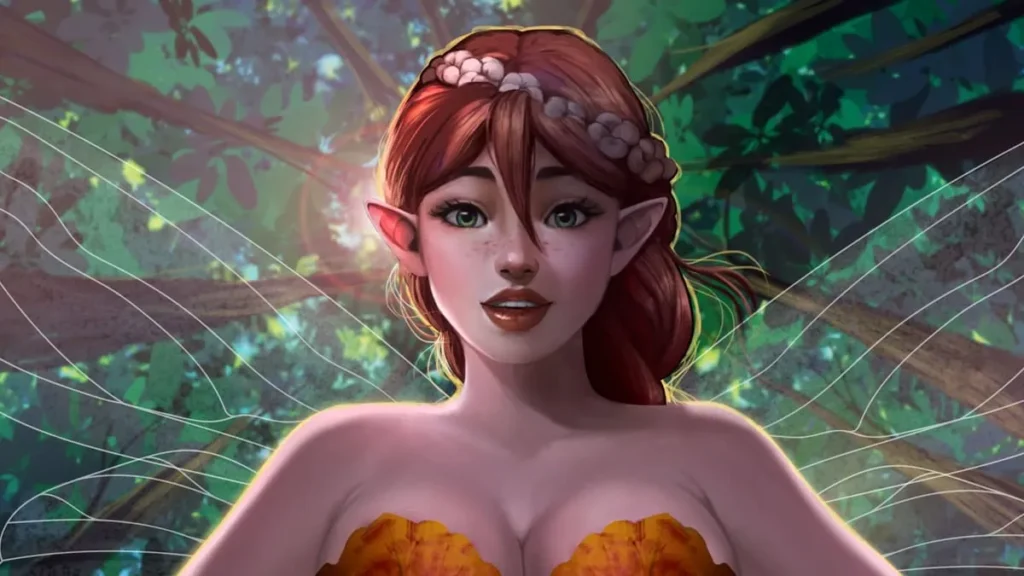
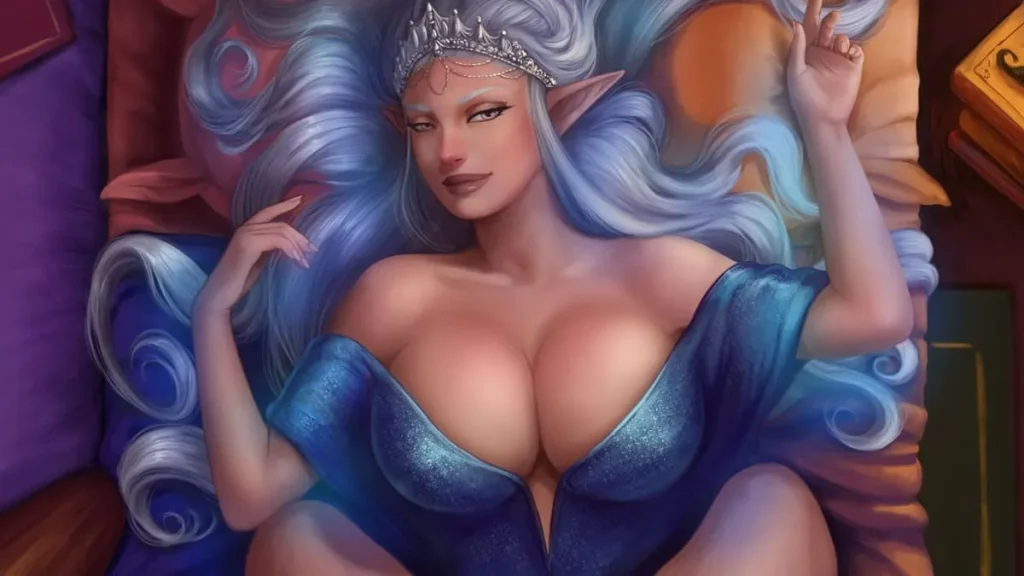

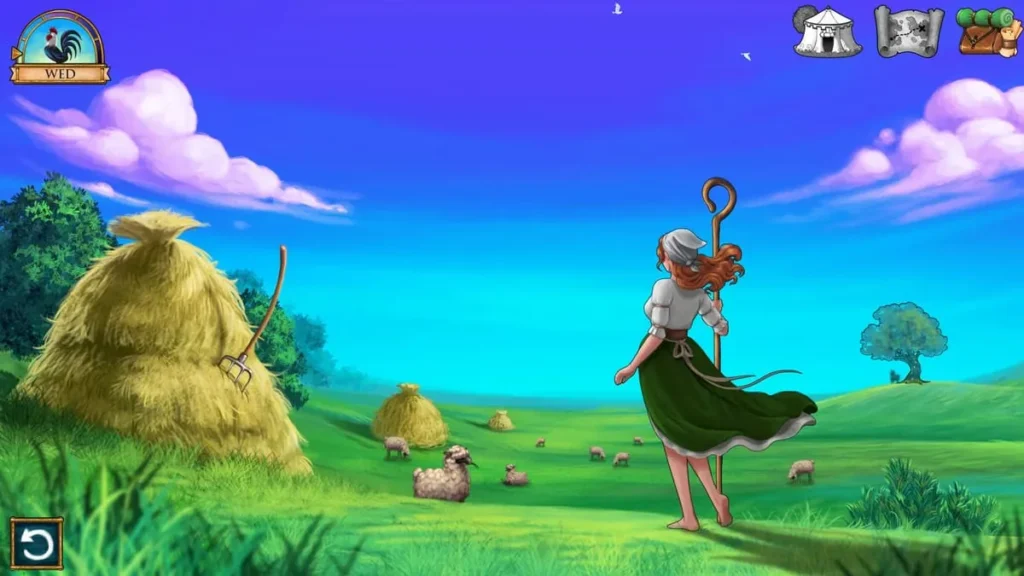
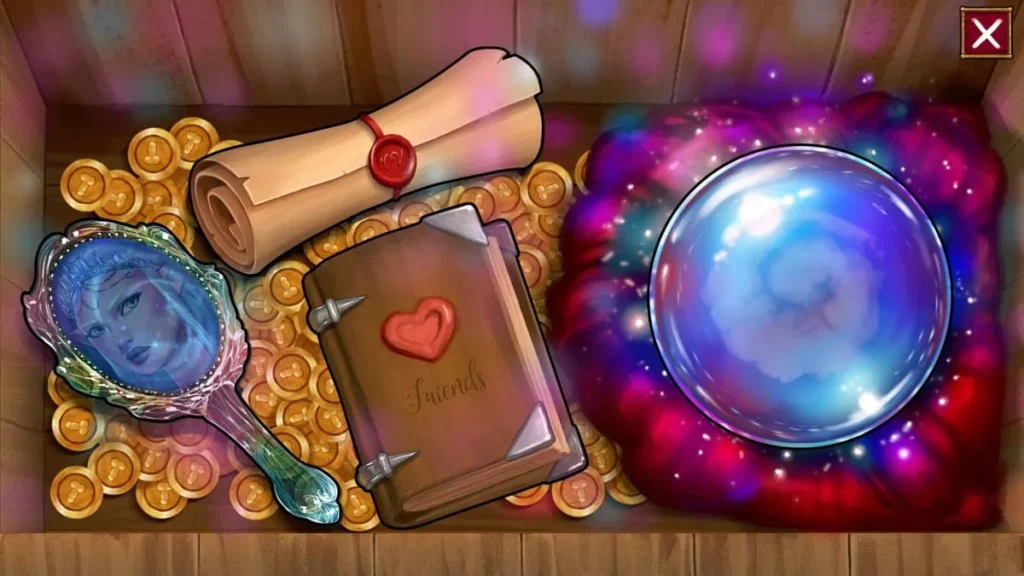
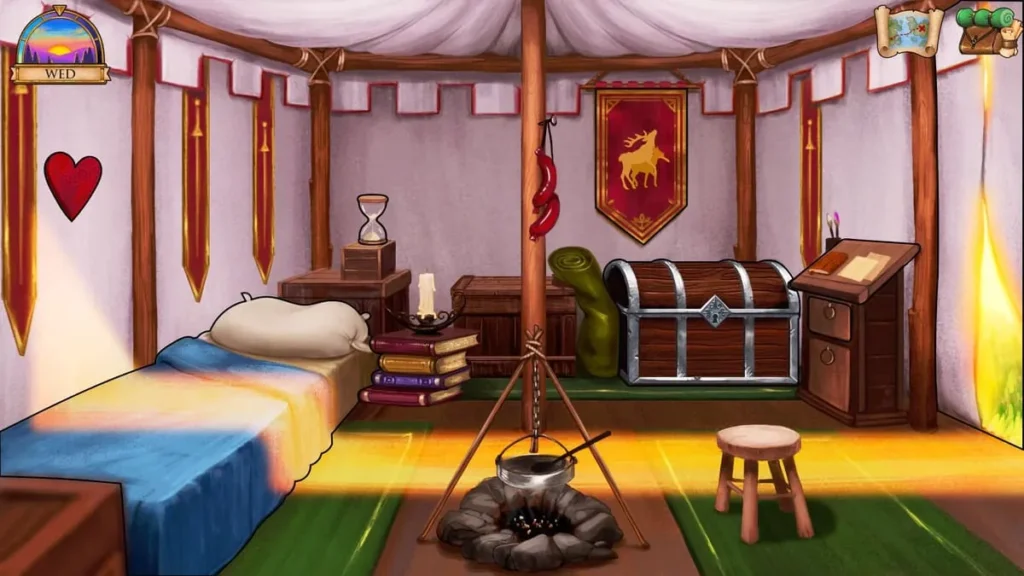
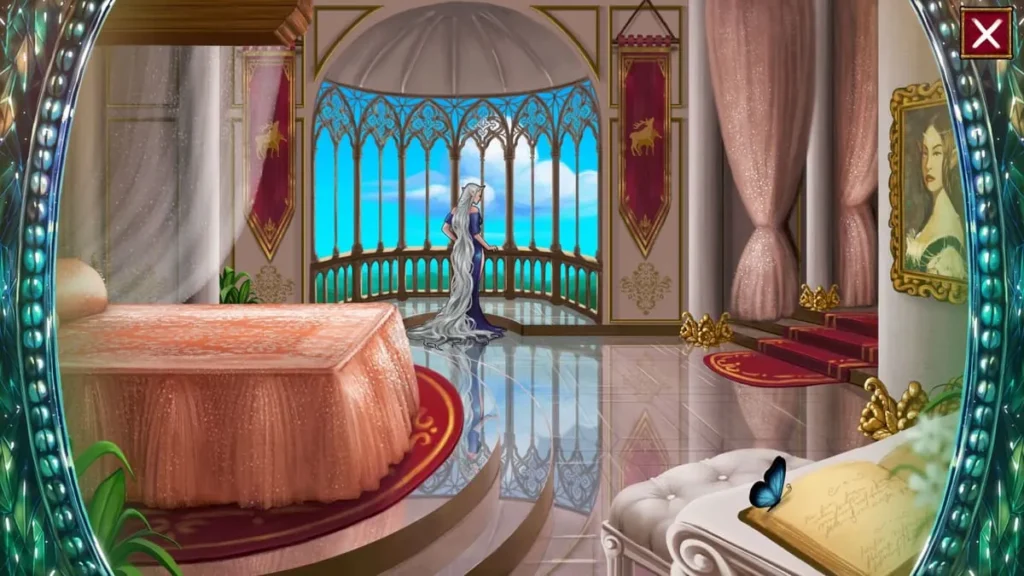
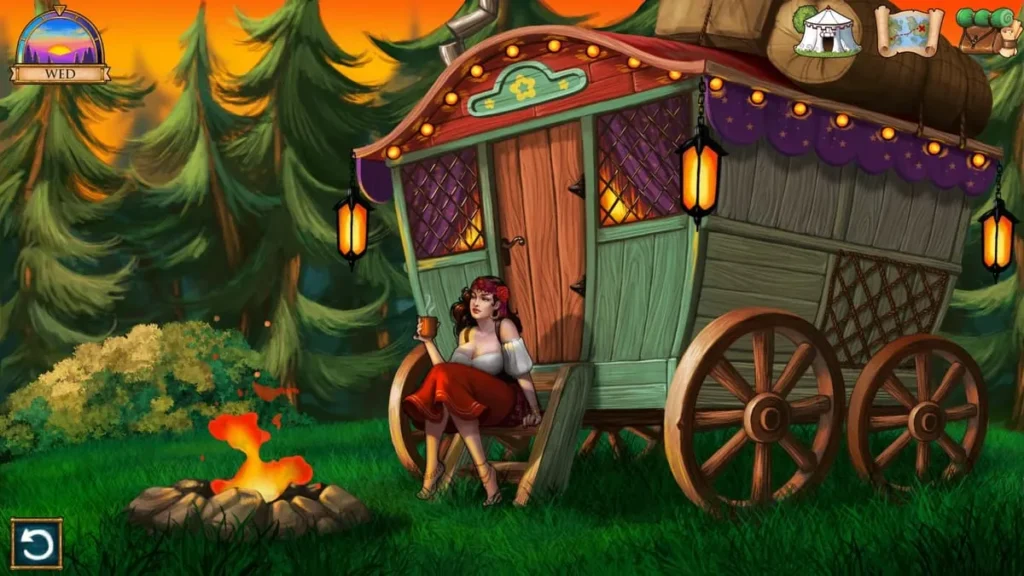
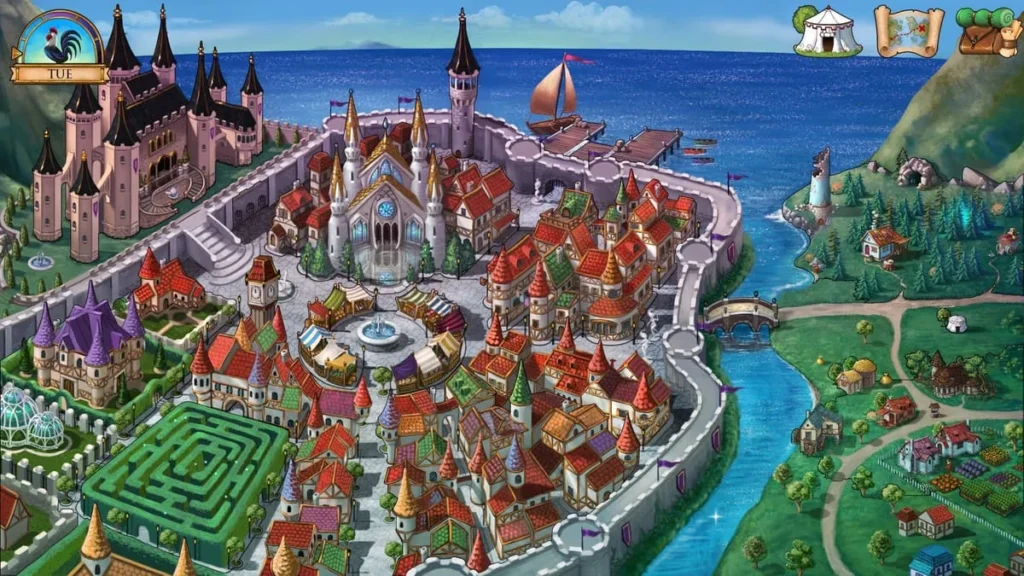

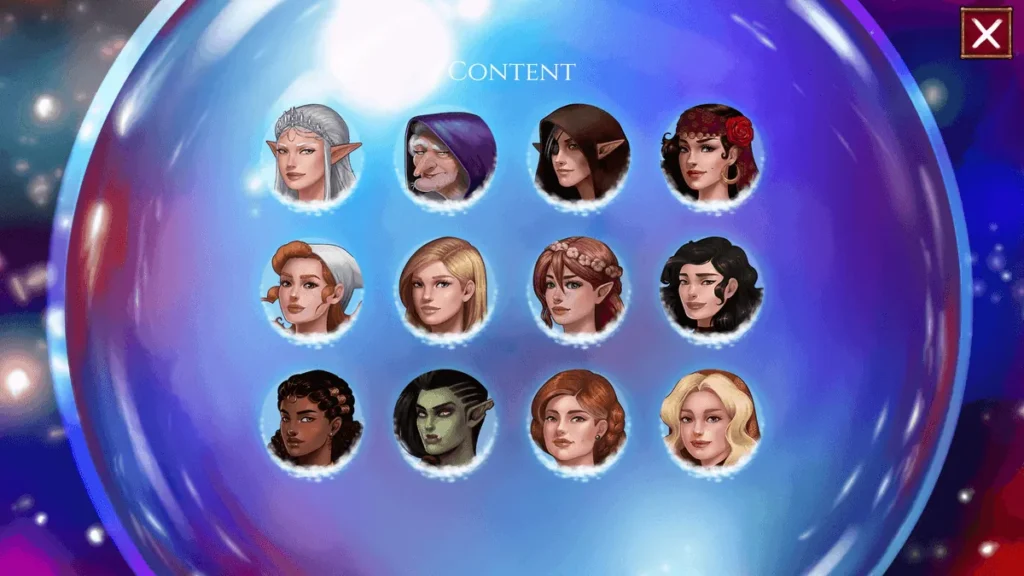
What a Legend! review
Explore gameplay mechanics, story elements, and features of this fantasy adventure title
What a Legend! stands out as a unique point-and-click adventure that blends visual novel storytelling with sandbox exploration elements. This fantasy-themed title offers players an immersive experience where their choices directly shape the narrative and character relationships throughout the game. Whether you’re interested in the branching storylines, character interactions, or the medieval fantasy setting, this guide provides everything you need to understand what makes this game distinctive. From gameplay mechanics to narrative depth, discover why players are drawn to this choice-driven adventure.
Gameplay Mechanics and Features
Ever stumbled into a game that feels like it was tailor-made for your specific brand of curiosity? One where you’re not just following a path, but genuinely carving it out with every click and decision? That’s the magic I felt the moment I booted up What a Legend! This isn’t just another fantasy romp; it’s a delightful, witty, and surprisingly deep experience that masterfully blends classic adventure gaming with modern player agency. At its heart, What a Legend! gameplay mechanics represent a clever fusion, creating something greater than the sum of its parts: a true visual novel sandbox hybrid.
Forget rigid quest logs and linear plots. Here, you play a down-on-his-luck young man thrown into a whimsical, magical kingdom, and your journey is defined by exploration, conversation, and the consequences of your choices. The genius lies in how the game’s systems—the precise point-and-click adventure game foundation, the liberating sandbox exploration features, and the intricate choice-driven narrative system—weave together to create a uniquely personal story. It’s an interactive storytelling game where your curiosity is the primary weapon, and your morals (or lack thereof) shape the world.
Ready to see how it all works? Let’s dive into the nuts and bolts that make this legendary adventure tick. 🧙♂️✨
Point-and-Click Adventure System
The backbone of your entire experience in What a Legend! is its faithful yet refined take on the classic point-and-click formula. If you’ve ever spent hours pixel-hunting in classic 90s adventures, you’ll feel right at home—but with a modern smoothness that removes the traditional frustration. 🖱️
The interface is beautifully simple. You move your character by clicking on locations, and your cursor changes contextually when it hovers over something you can interact with: a person to talk to, a suspicious-looking book, a shiny object on a tavern floor. The real joy comes from the “how” of interaction. You don’t just click on a locked chest; you might first need to find a key by charming a bartender for information, then distract a guard by spilling his drink, and finally pick up the key after he leaves his post. It’s a logic puzzle woven into the living world.
I remember one early puzzle involving a grumpy, sleeping troll on a bridge. The obvious “solutions” didn’t work. Throwing a rock? He just snorted and rolled over. Shouting? A terrible idea. The solution was absurdly charming and required me to explore other areas fully, making connections between seemingly unrelated characters and items. This is the essence of a great point-and-click adventure game: the “Eureka!” moment feels earned because the game world operates on its own internal, quirky logic.
Here’s a quick breakdown of the key interaction methods that form the core of this system:
- Examine: The most important action. Hovering over everything is rewarded with witty descriptions, hidden lore, and crucial clues.
- Talk: Conversations are never just filler. Every dialogue tree can unlock new information, alter character attitudes, or open up previously inaccessible areas or quests.
- Use/Combine: Your inventory is a treasure trove of possibilities. Combining items often leads to hilarious or ingenious tools needed to overcome obstacles.
- Move: The world is your oyster. Free movement between known locations is seamless, encouraging backtracking with new items or information to see what changes.
This solid mechanical foundation ensures that every action feels intentional. You’re not just watching a story unfold; you’re poking, prodding, and investigating it into existence. It perfectly sets the stage for the game’s more open-ended elements.
Sandbox Elements and Player Freedom
Now, here’s where What a Legend! truly starts to sing and separates itself from more traditional adventures. While it has a main storyline, it treats that plot more like a tempting thread in a vast, interconnected tapestry. You are actively encouraged to pull on other threads first. This is where those celebrated sandbox exploration features come into play, offering a remarkable sense of player freedom. 🌍🔓
The game world, from the bustling main square to the eerie magical forests and cozy (or rowdy) inns, is structured like a web rather than a line. Early on, you’re presented with multiple problems and potential allies simultaneously. Do you focus on helping the blacksmith recover his stolen magical anvil to earn his trust and tools? Or do you assist the local potion seller with gathering rare ingredients, which might give you access to helpful elixirs? Perhaps you ignore both and spend your time (and in-game coin) building a reputation at the tavern, which leads to a completely different set of opportunities.
This creates a fantastic, self-directed pacing. There’s no punishing timer forcing you down one path. In one of my playthroughs, I decided my character was a charismatic scoundrel. I spent the first few in-game days ignoring the “main” quest entirely. Instead, I mastered a dice game in the tavern to build a bankroll, used the money to buy fancy clothes, and then used my new appearance and wealth to schmooze with the town’s elite. This path unlocked quests and interactions my more heroic, direct playthrough never saw.
The sandbox exploration features are deeply tied to progression. Your character improves not through experience points, but through reputations, relationships, and acquired skills. Building a friendly rapport with the castle guard might mean he looks the other way when you need to sneak in later. Learning the basics of herbology from one character can allow you to complete a task for another. The game remembers your actions and makes the world react accordingly, making your version of the kingdom feel uniquely yours.
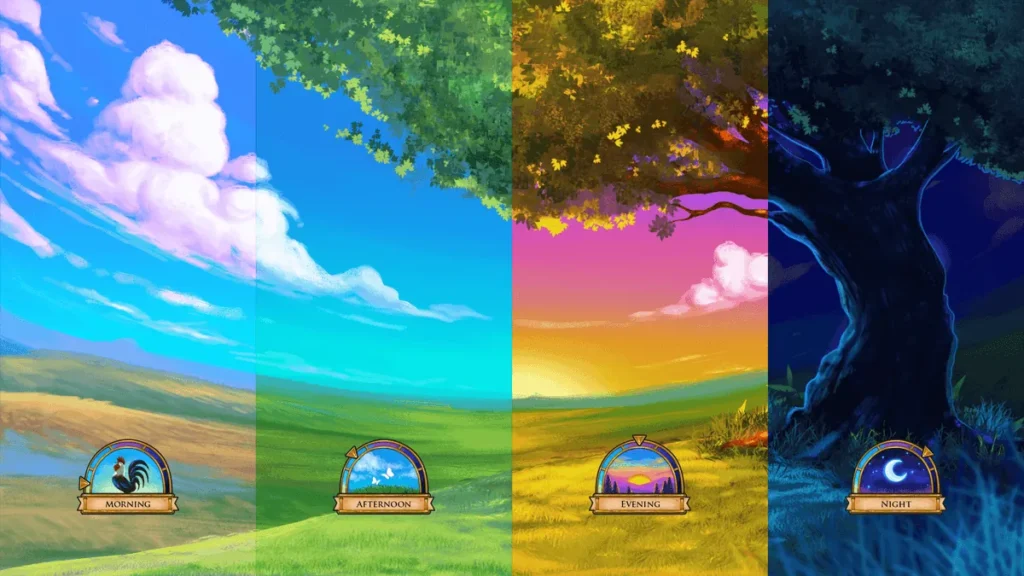
Pro Tip: Don’t rush! The most rewarding moments in What a Legend! often come from going off the beaten path. Talk to everyone, return to locations at different times of day, and try using quest items on people or objects they weren’t obviously intended for. The game is packed with hidden reactions and alternate solutions. 😉
Choice-Driven Narrative Structure
If the point-and-click system is the skeleton and the sandbox is the body, then the choice-driven narrative system is the soul and brain of What a Legend!. This is an interactive storytelling game in the purest sense. Every conversation, every moral quandary, and even every failure is a branch on your personal story tree. 🌳➡️🌲
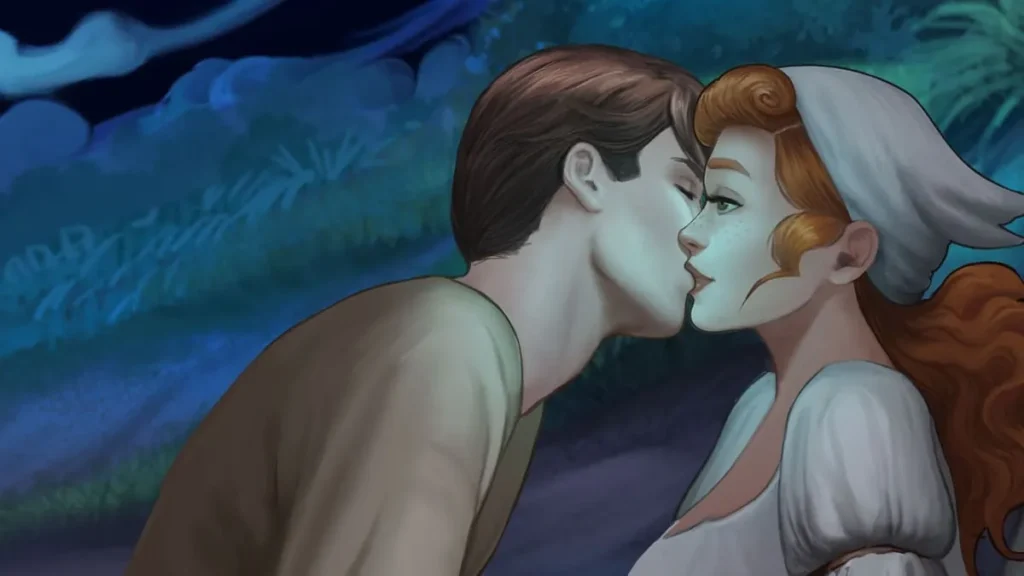
The narrative doesn’t just have a few binary “good or evil” choices at key moments. Instead, What a Legend! player choices are constant, subtle, and layered. A simple decision about how to greet a character—are you polite, flirtatious, arrogant, or dismissive?—can set the tone for your entire relationship with them. It can open up or permanently lock away entire story arcs, side quests, and even potential romantic subplots.
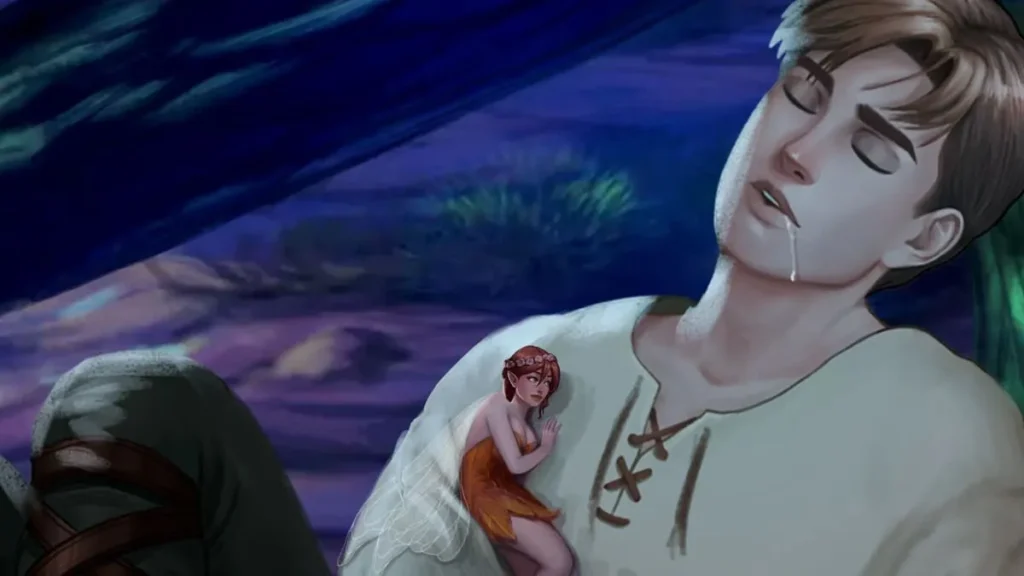
Let me give you a concrete example from my playthroughs. Early on, you meet a mischievous fairy who has stolen an important item. You have several options: you can try to threaten her, bargain with her, appeal to her vanity, or physically try to catch her (good luck!). In my first run, I played a kindly hero and offered to do her a favor in exchange for the item. This kicked off a long, funny chain of side quests that ultimately made her a loyal, if troublesome, ally.
In my second run, as my charismatic scoundrel, I flirted with her shamelessly. This led down a completely different path, involving a wild party with other mythical creatures and a shortcut to getting the item, but at the cost of making a powerful wizard faction dislike me. Neither choice was “right,” but both were valid and richly developed. This is the power of a true choice-driven narrative system—it makes you feel the weight of your decisions.
The system creates immense replayability. You’re not just replaying to see a different ending slide; you’re replaying to experience a different middle, with different friends, enemies, and methods of solving problems. It’s about the journey, not just the destination.
To illustrate how these narrative branches can manifest, here’s a look at how one early decision can ripple out:
| Your Early Choice | Immediate Consequence | Long-Term Narrative Branch |
|---|---|---|
| Help the struggling farmer with his pest problem honestly. | Gain his trust, a small reward, and access to his farmhouse. | Unlocks a quest line to romance his daughter, gain a steadfast ally in town disputes, and learn farming skills useful for other puzzles. |
| Blackmail the farmer after discovering his secret. | Get a larger monetary reward immediately, but he becomes fearful and resentful. | Locks the romance path. May unlock a darker quest involving the local thieves’ guild who hear of your “skills.” Town officials may become wary of you. |
| Ignore the farmer completely. | No change, but you save time. | The pest problem escalates. Later, the farm may be abandoned or bought by another character, changing the town’s economy and available quests. |
This granular level of consequence is what makes the storytelling so compelling. The game masterfully balances guided storytelling and player agency. There is a main plot—a overarching mystery and threat to the kingdom—but how you choose to engage with it, what allies you bring, and what personal sacrifices you make along the way are entirely up to you. You are writing your own legend within the framework of a larger tale.
Ultimately, the What a Legend! gameplay mechanics work in glorious harmony. The tactile, investigative joy of the point-and-click interface gives purpose to your exploration. The open sandbox exploration features provide the canvas and the freedom. And the deep, responsive choice-driven narrative system supplies the paints and brushes. Together, they transform you from a player into a co-author, crafting a fantasy adventure that is, without question, uniquely and memorably yours. Every click is a word, every explored area a paragraph, and every choice a defining chapter in your own legendary tale. 📖✨
What a Legend! delivers a compelling blend of visual novel storytelling and sandbox exploration that appeals to players seeking meaningful narrative experiences. The game’s strength lies in its choice-driven system, where player decisions genuinely impact character relationships and story outcomes, encouraging multiple playthroughs to discover different narrative paths. The medieval fantasy setting provides an engaging backdrop for the coming-of-age adventure, while the diverse cast of characters creates memorable interactions that drive emotional investment. Whether you’re drawn to interactive storytelling, character-driven narratives, or games that reward exploration and experimentation, What a Legend! offers substantial content that respects player agency. For those interested in narrative-focused adventures where your choices matter, this title represents a worthwhile experience that demonstrates the potential of choice-based game design.