The Theater of Sinners
Play The Theater of Sinners
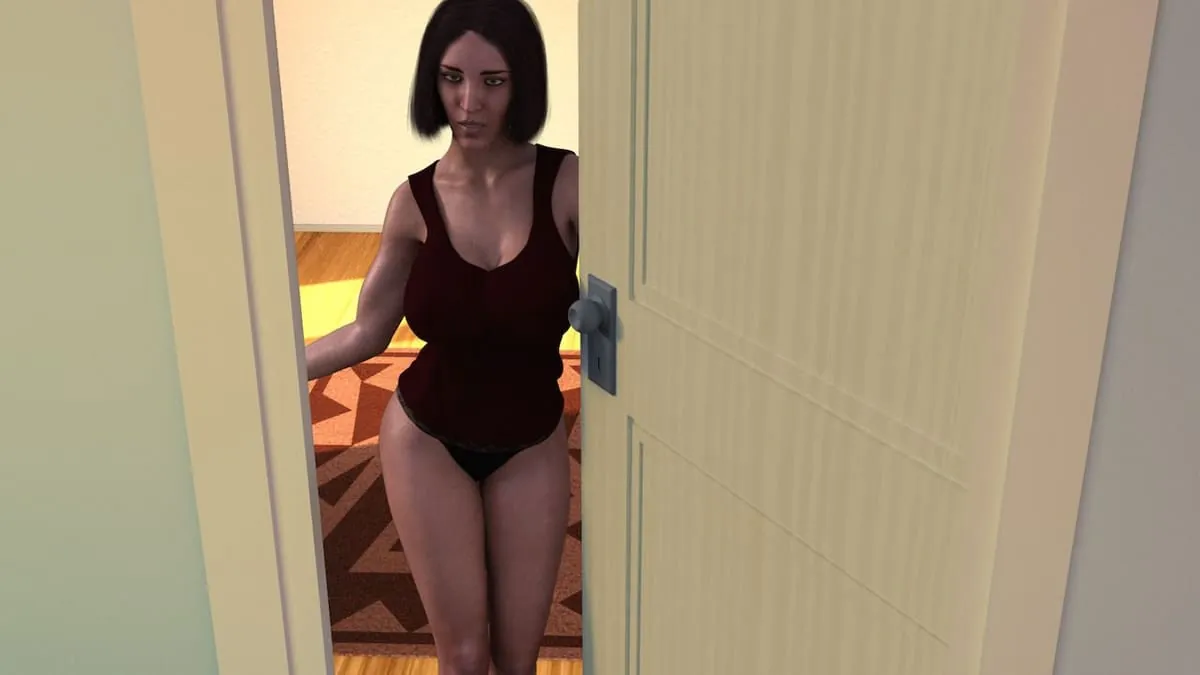
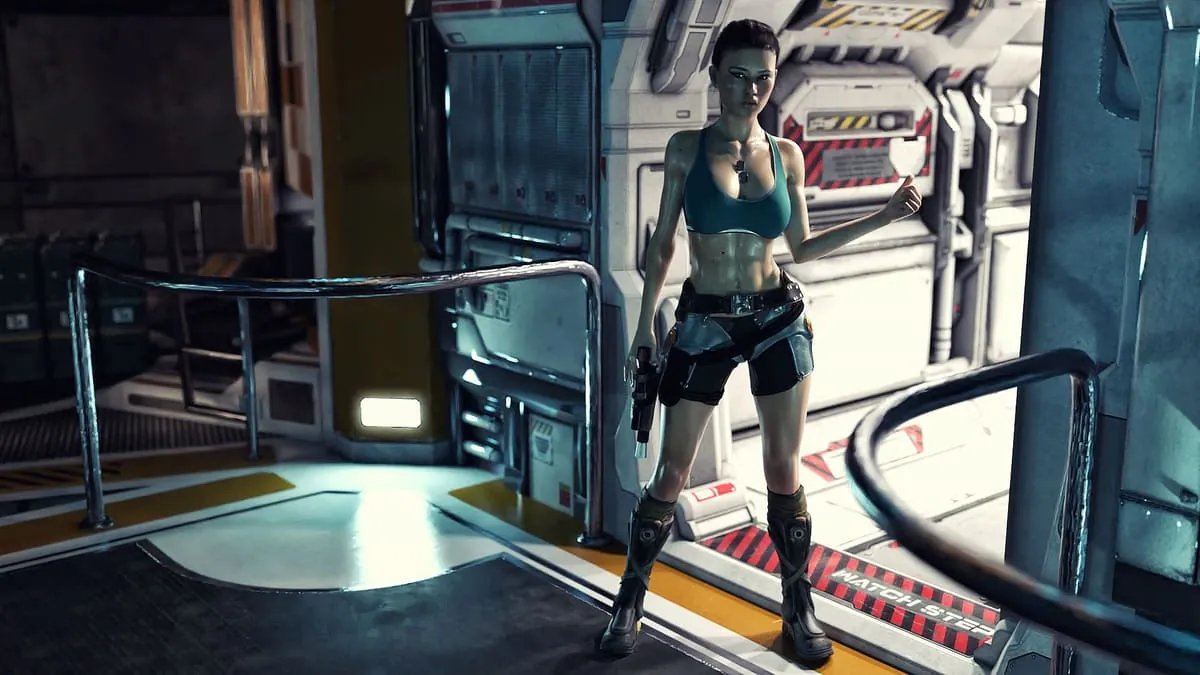
The Theater of Sinners Screenshots
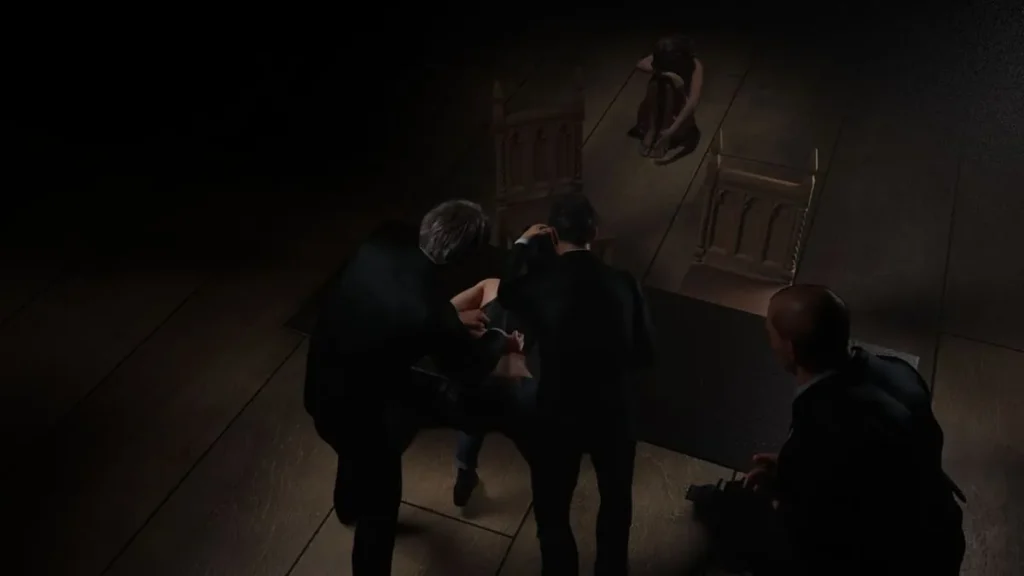
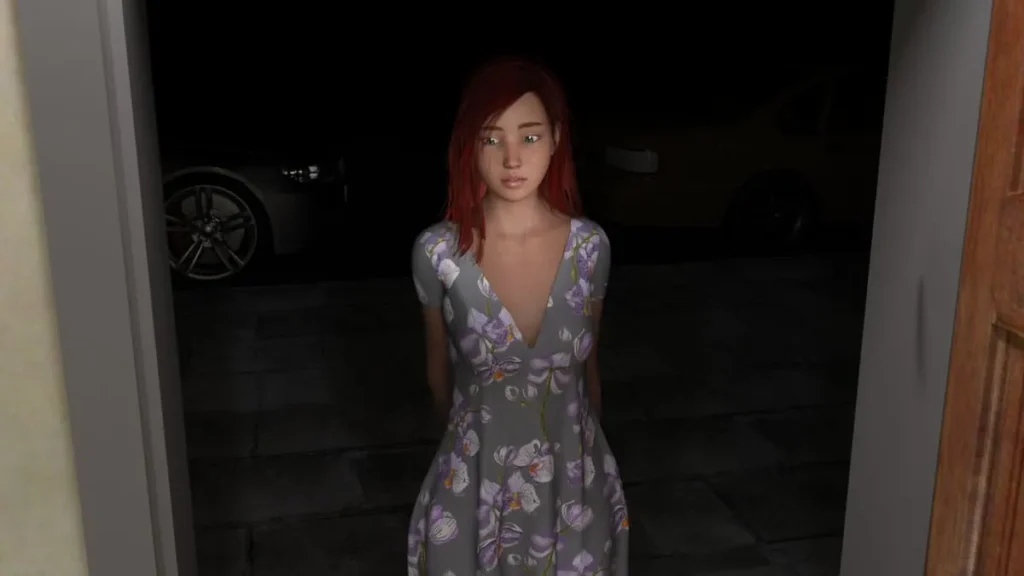
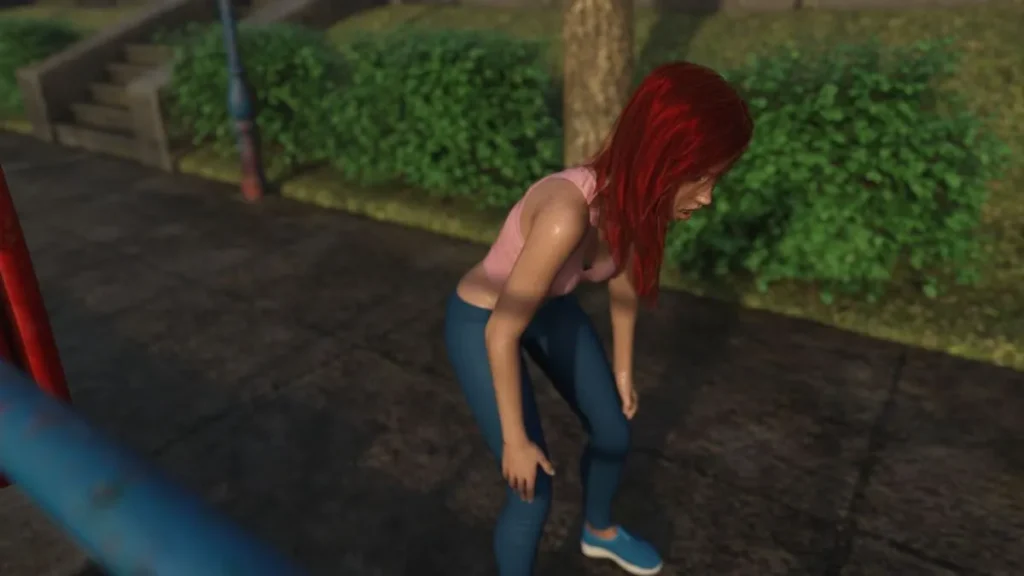
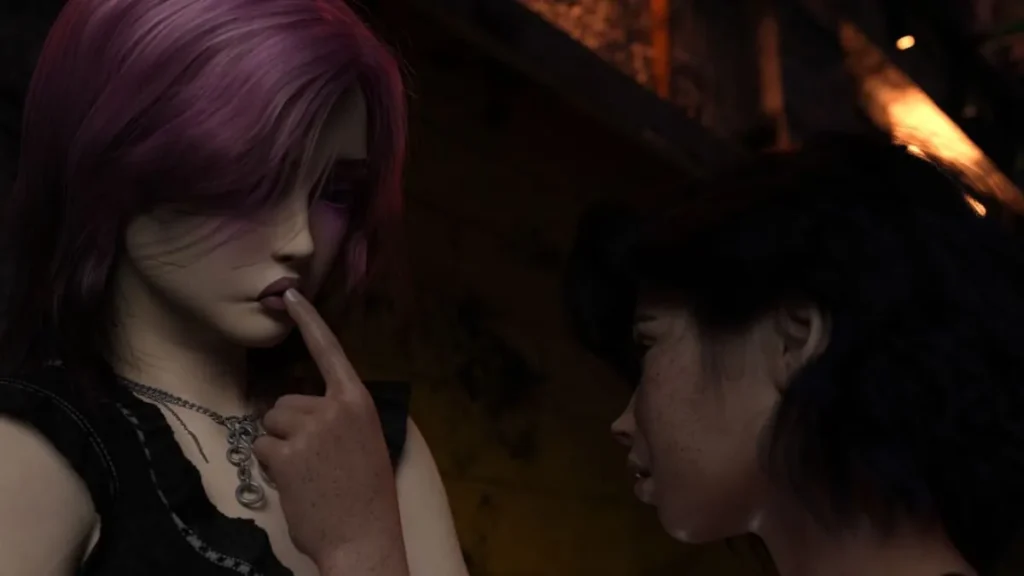
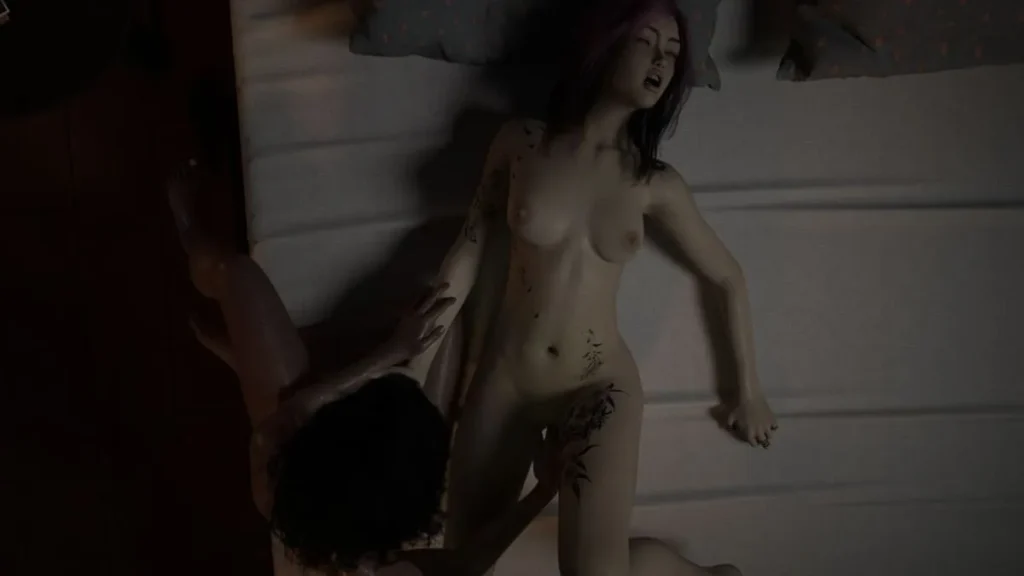
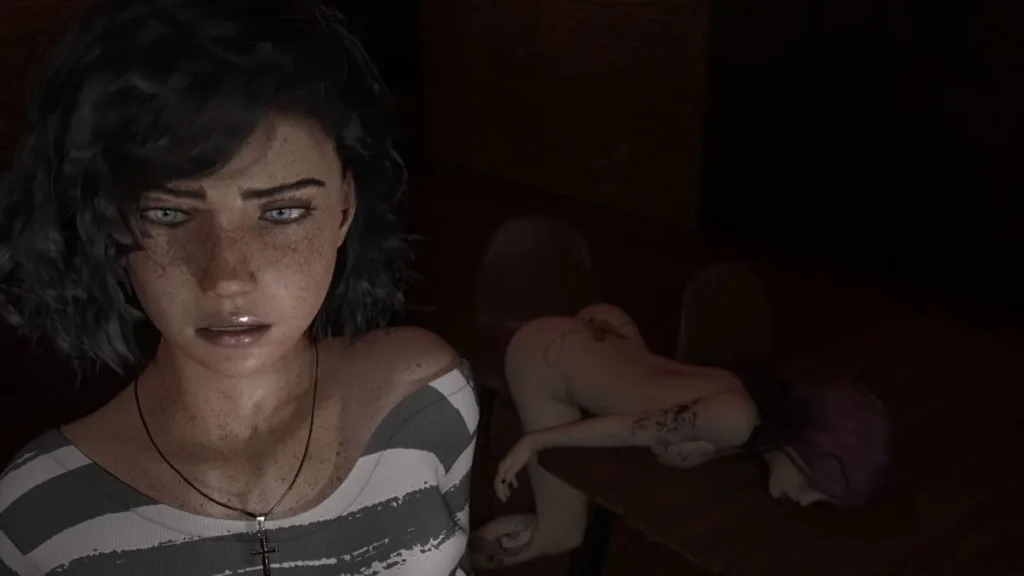



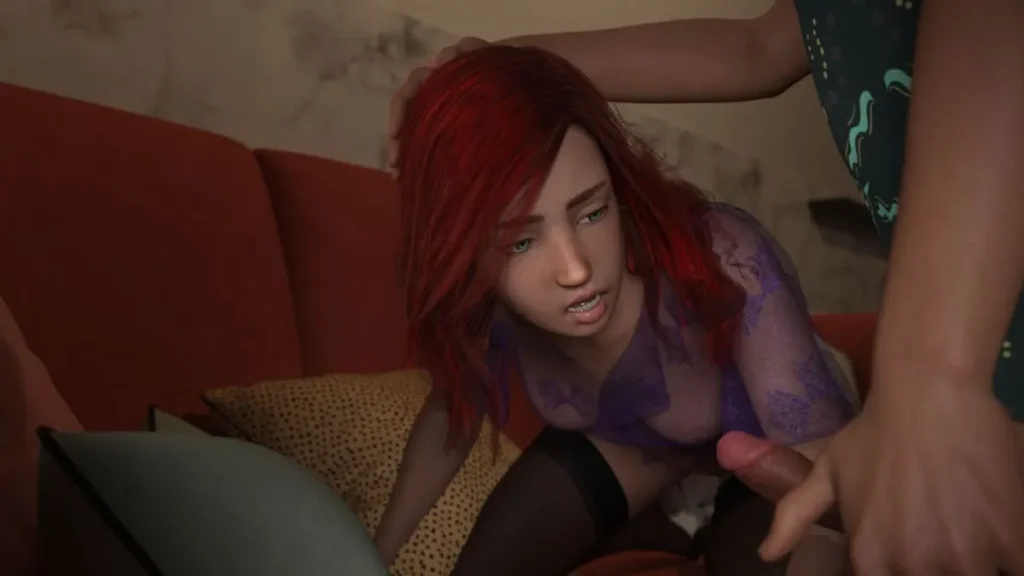
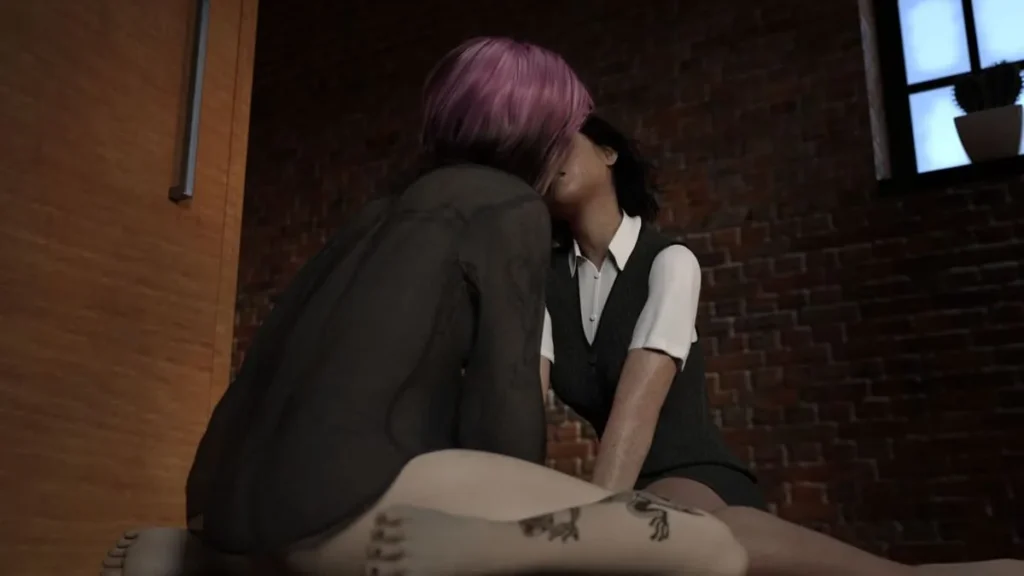



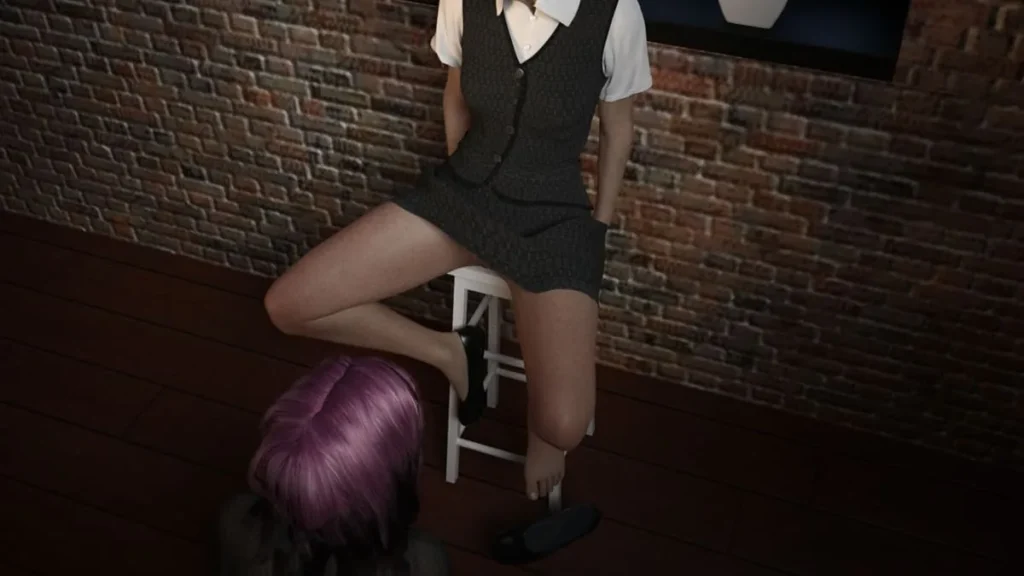
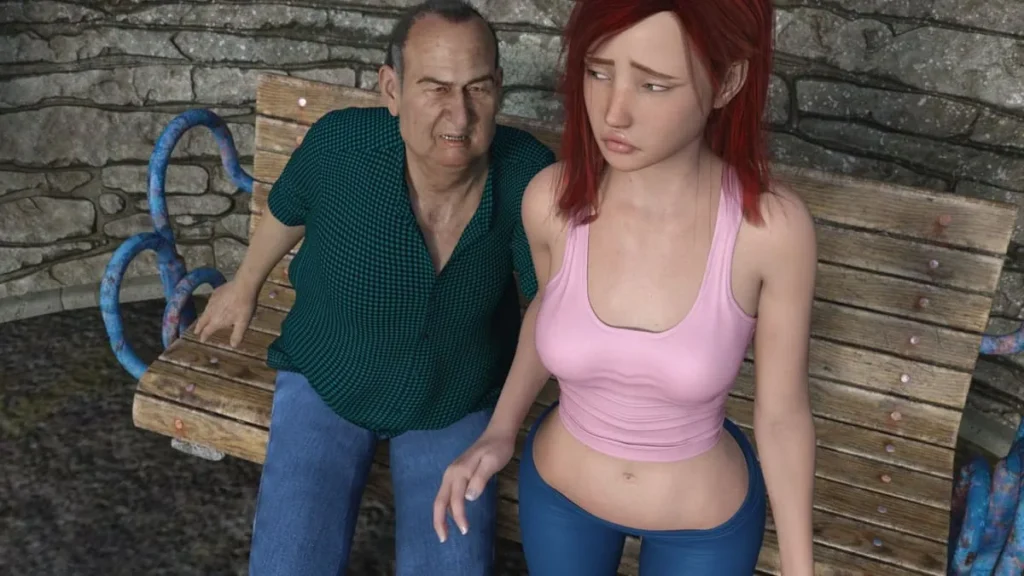
The Theater of Sinners review
Dive into humiliation, corruption, and twisted choices in this Ren’Py adult horror game
Imagine stumbling into a shadowy world where every choice drags you deeper into a web of humiliation and corruption—that’s the gripping pull of The Theater of Sinners. This Ren’Py visual novel, crafted by JustXThings, blends psychological horror with intense adult themes, following protagonists like Paula and Rebeca as they navigate blurred morals and brutal encounters. I first loaded it up late one night, heart racing from the eerie visuals and twisted plot twists that hit way too close to home. If you’re into decision-driven stories packed with dominance, submission, and deviant paths, this game delivers chills and thrills. Stick around as we unpack its story, mechanics, and why it’s a must-play for fans of dark fantasies.
What Makes The Theater of Sinners a Must-Play Horror Experience?
I still remember the first time I booted up The Theater of Sinners. I was expecting maybe a spooky atmosphere and some adult themes, but within minutes, the game had me completely unsettled in the best way possible. 😨 It wasn’t about cheap jump scares; it was the slow, chilling realization that the characters on screen were trapped in cycles of pain they might never escape, and worse—I, as the player, was going to be the one steering them through it. That initial hook, a masterclass in psychological tension, is what makes this RenPy horror adult game an unforgettable experience. If you’re curious about what is The Theater of Sinners about, prepare for a deep dive into damaged souls and the terrible power of choice.
Unraveling the Core Storyline and Protagonists
At its heart, The Theater of Sinners story is a haunting tapestry of two interwoven lives: Paula and Rebeca. This isn’t a single narrative but a fractured, non-linear journey where you piece together their pasts and presents through player choices outcomes that feel heavy with consequence.
Let’s talk about Paula and Rebeca characters. Paula is the daughter of a powerful, revered figure, living a life that seems privileged from the outside. But she’s the target of relentless bullying from a group of delinquents, a pressure that slowly warps into something more complex and disturbing. Her path is one of forced exposure and a terrifying exploration of how humiliation can twist desire and identity. Then there’s Rebeca. Her world is the polar opposite—raised by a neglectful addict mother and a violently abusive stepfather. She grows up surrounded by the very things she despises, yet in a cruel twist of fate, risks becoming a mirror image of her tormentors. Her story is a raw look at inherited trauma and survival at any cost.
You don’t just watch their stories; you actively shape their personalities and memories. The game uses a brilliant system of flashbacks that you unlock and experience out of order. One moment you’re guiding Rebeca through a present-day confrontation, the next you’re thrown into a childhood memory that completely recontextualizes why she reacts the way she does. This non-linear structure means your understanding of what is The Theater of Sinners about evolves with every click, making you an active archaeologist of their pain.
To help keep these complex lives straight, here’s a breakdown of our main players:
| Name | Background | Key Struggles | Player Influence |
|---|---|---|---|
| Paula | Daughter of a prominent public figure; target of systematic bullying from a local group. | Navigating the corrosive space between societal shame and awakened, unwanted desires. The fear of exposing her family’s name. | Directs her responses to aggression, shaping her descent into corruption or her path toward a fragile resilience. |
| Rebeca | Grew up in poverty with an addicted mother and a cruel stepfather; learned violence as a language. | Battling self-loathing and the terrifying fear of turning into the abusers she hates. A deep-seated anger that fuels every action. | Chooses between perpetuating cycles of abuse or seeking painful, alternative ways to cope and connect. |
| Mara (Example Side Character) | A key figure in the delinquent group that targets Paula, with her own hidden insecurities and motivations. | Struggles with leadership, envy, and a desperate need to assert control in a world where she feels powerless. | Your interactions can paint her as a one-dimensional villain or reveal a more pitiable, complex antagonist. |
The side characters, like Mara, are far from set dressing. They are fully realized, with their own traumas and desires, making the world feel densely populated and real. You’ll find some strangely lovable in their brokenness and others utterly detestable, but you’ll always understand why they are the way they are. This depth is a signature of this RenPy horror adult game.
Key Themes of Humiliation and Moral Gray Areas
If you’re looking for a simple tale of good versus evil, you won’t find it here. The Theater of Sinners lives and breathes in the moral gray areas visual novel fans crave. The game fearlessly explores themes that are uncomfortable, psychologically intense, and rooted in dark realism.
The most prominent theme is, without question, humiliation. But this isn’t just about embarrassment. The game digs into the psychology of it—how consistent degradation can break down a person’s sense of self, and how, in that broken space, new and troubling feelings can grow. This ties directly into its core as a humiliation corruption game. You witness and sometimes guide the process where characters’ initial fear or resistance slowly erodes, replaced by a complicated, often shameful, acceptance or even seeking of that same treatment. It’s a disturbing and fascinating look at power exchange, D/s dynamics, and the blurriest lines of consent.
This brings us to the overarching theme of corruption. Corruption of innocence, of intent, of love. Paula’s story is a classic corruption arc, but Rebeca’s is perhaps more tragic—she’s already been corrupted by her environment, and you decide if she purifies that rage or lets it consume her entirely. The game masterfully presents scenarios where there is no “good” choice, only varying degrees of compromise, sacrifice, or cruelty. You’re constantly asking yourself: “Is this act of kindness actually enabling further decay? Is this harshness necessary for survival or just pointless brutality?” Navigating these moral gray areas is the true horror and the true genius of The Theater of Sinners story.
The horror elements are primarily psychological and suspenseful. 😱 The tension comes from dreadful anticipation—knowing a character is walking into a trap, watching a relationship teeter on the brink of violence, or uncovering a memory so painful it changes everything. The “adult” content is never gratuitous; it’s woven into these themes, serving as a narrative tool to explore power, vulnerability, and the darkest corners of human connection.
Why Player Choices Shape Brutal Outcomes?
This is where The Theater of Sinners separates itself from passive experiences. Your agency is everything. This isn’t a game with a “good route” and a “bad route.” It’s a web of potentialities where every decision, big or small, subtly (or dramatically) alters the characters’ personalities and the trajectory of their lives.
Let me give you an example from a playthrough. Early with Rebeca, you encounter a stray dog. One choice is to shoo it away harshly—a defense mechanism, pushing away something weak as she was pushed away. Another is to offer it a scrap of food, a tiny act of kindness. This seems small, right? But this choice influences her internal “compassion” stat. Later, when faced with a chance to exploit someone vulnerable, a Rebeca with higher compassion might hesitate, opening up a dialogue branch that leads to a fragile alliance. The Rebeca who shooed the dog might take the exploitative path without a second thought, locking her into a harsher, more isolated storyline. Your player choices outcomes are the bricks building her personality.
🎮 Actionable Advice: For the most nuanced story branches, I highly recommend focusing on raising specific character stats (like Compassion, Willpower, or Submissiveness) in a planned order before tackling major story events. The game often checks these hidden values to determine which paths are available. Want to see Paula stand up for herself in a key scene? You might need to ensure her Willpower stat is high enough by making defiant choices in prior, smaller conflicts. Plan your playthrough like a strategist!
The non-linear flashback system amplifies this. Discovering a poignant memory of Paula with her father can completely change how you view her current actions, and might make you reload a previous save to choose differently. The The Theater of Sinners story becomes your version of their story. Will you guide Paula toward finding a strange empowerment in her situation, or toward total breakdown? Will Rebeca’s anger become a weapon against the world, or will she learn to channel it? The game provides the tools, the haunting stage, and the broken actors. You are the director.
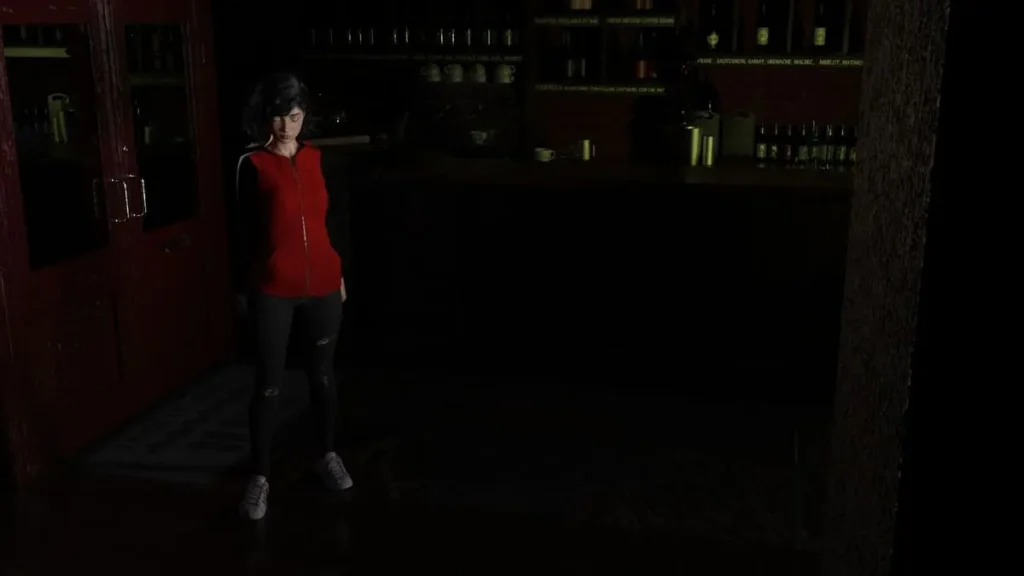
This brings me to my final point: the staggering realism. The visual presentation is a huge part of the immersion. We’re not talking about cartoonish expressions. I’m talking about the subtle, strained tightening around Paula’s eyes when she’s trying not to cry, or the way Rebeca’s sneer doesn’t quite hide a flicker of hurt. The models feel life-like, their movements nuanced. This attention to detail makes every moment of triumph feel earned and every moment of despair feel like a punch to the gut. You’re not just reading a moral gray areas visual novel; you’re inhabiting a digital reality that resonates with uncomfortable truth.
In the end, The Theater of Sinners is a must-play because it respects your intelligence and your capacity for empathy, even as it tests both. It’s a challenging, thought-provoking, and emotionally draining journey that stays with you long after you close the game. It’s the pinnacle of what a RenPy horror adult game can achieve: a perfect, terrifying storm of story, choice, and consequence.
“This game doesn’t just tell a story about power and submission—it makes you feel the weight of every single dynamic. The visuals are cinematic, and the character psychology is hauntingly real. It’s an uncomfortable masterpiece.” — A player’s review on the portrayal of dominance, submission, and realism.
We’ve journeyed through the dark allure of The Theater of Sinners, from Paula and Rebeca’s harrowing paths to the game’s masterful blend of horror, choices, and intense dynamics that keep you hooked. My own dives into its branches left me rethinking every decision, blending arousal with unease in the best way. Whether you’re drawn to corruption arcs or psychological twists, this Ren’Py gem delivers depth and replayability. Grab it from itch.io, fire it up, and let your choices unleash the sinners within—your next twisted adventure awaits right now.