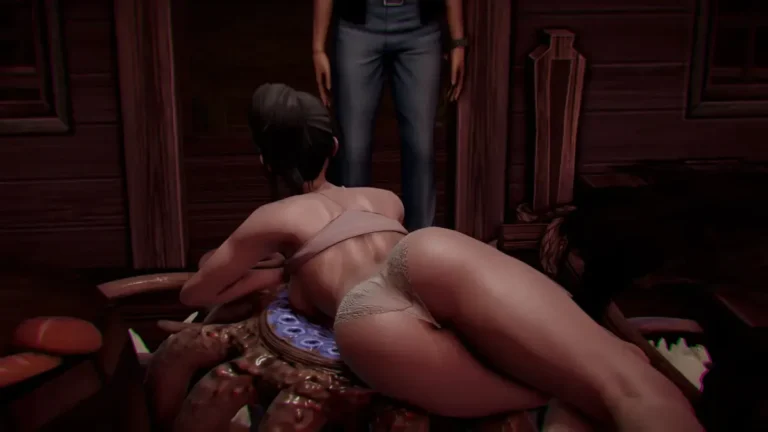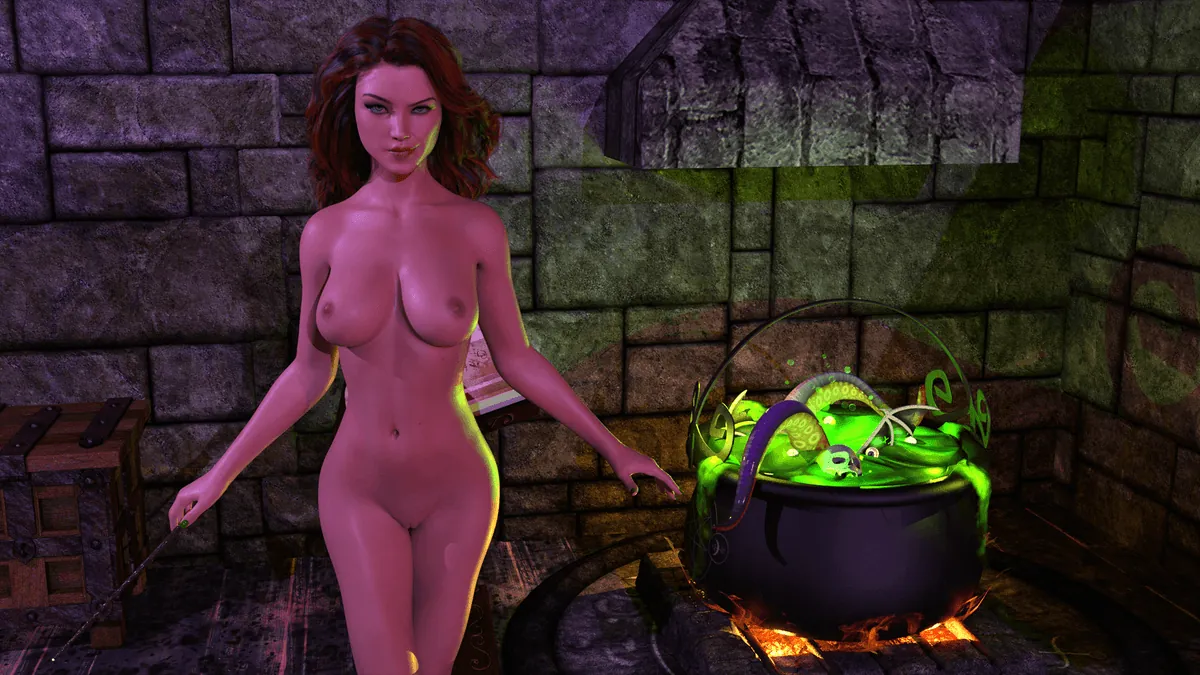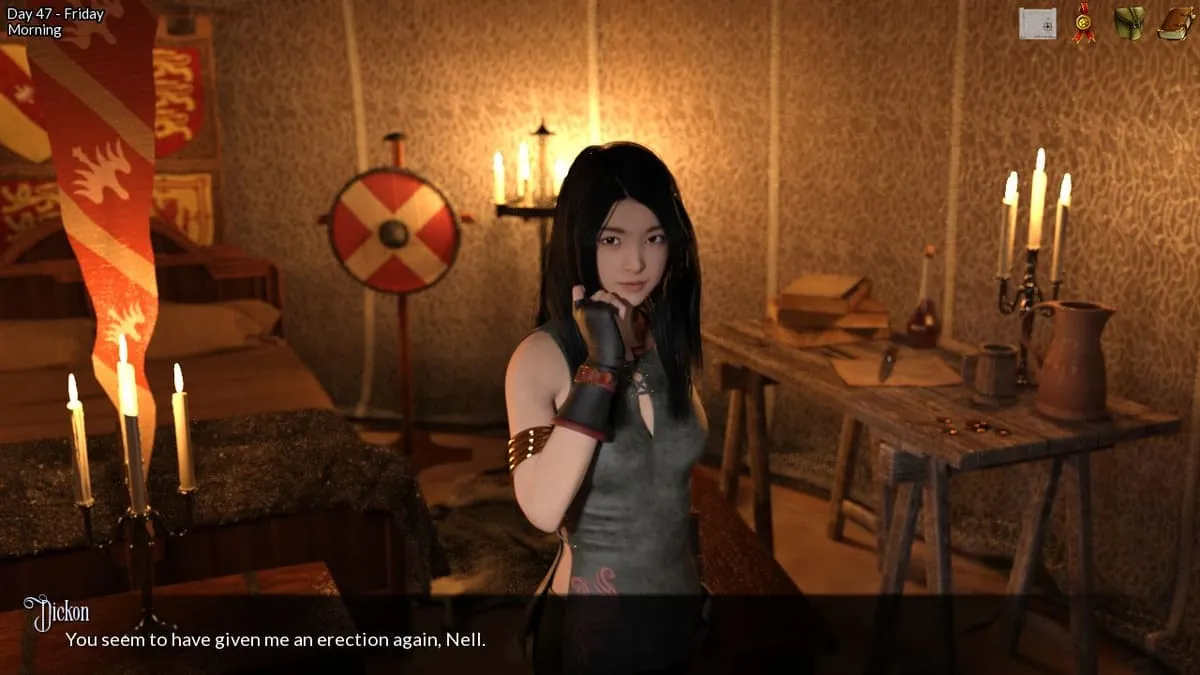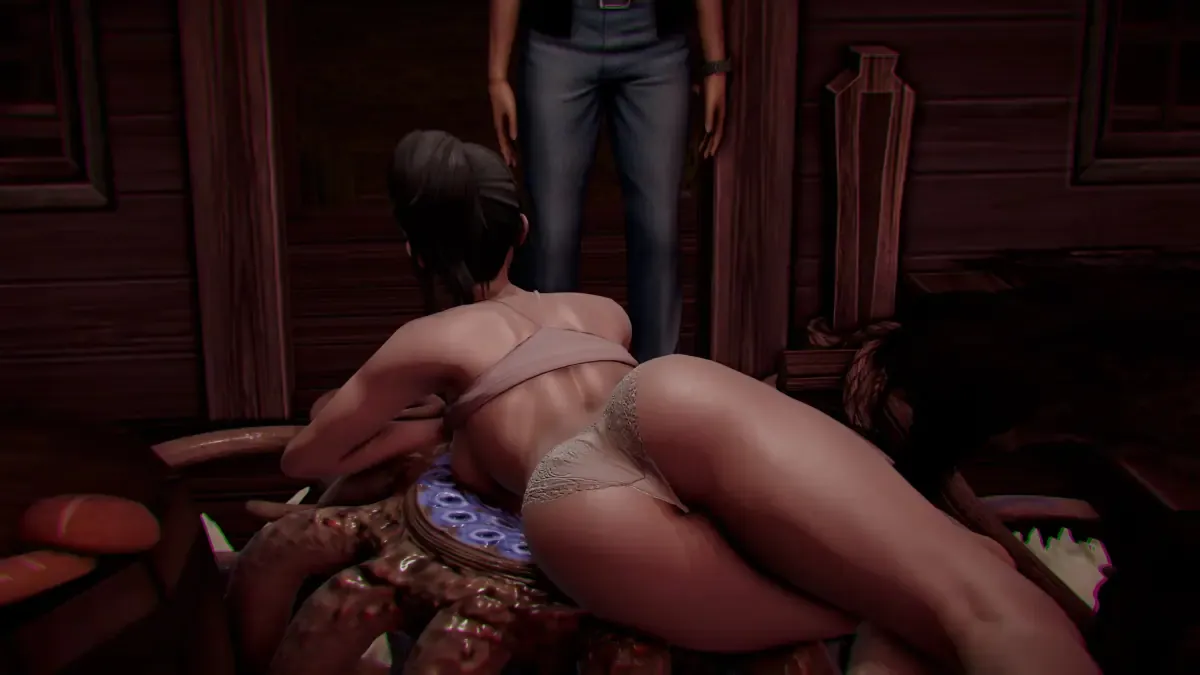
Tainted Heritage – a.k.a Weird Shit Is Going to Happen
Play Tainted Heritage – a.k.a Weird Shit Is Going to Happen
Tainted Heritage – a.k.a Weird Shit Is Going to Happen Screenshots
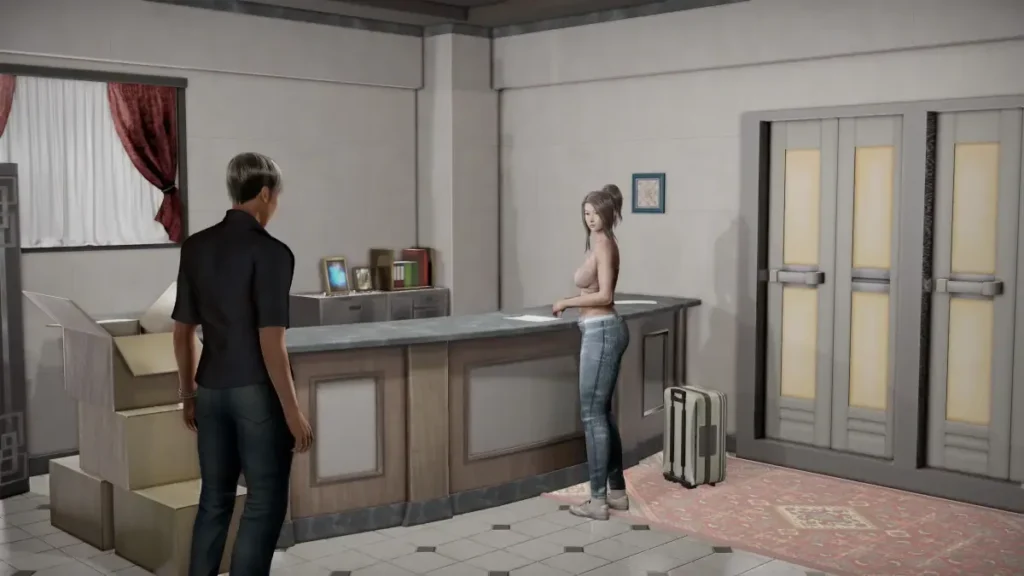
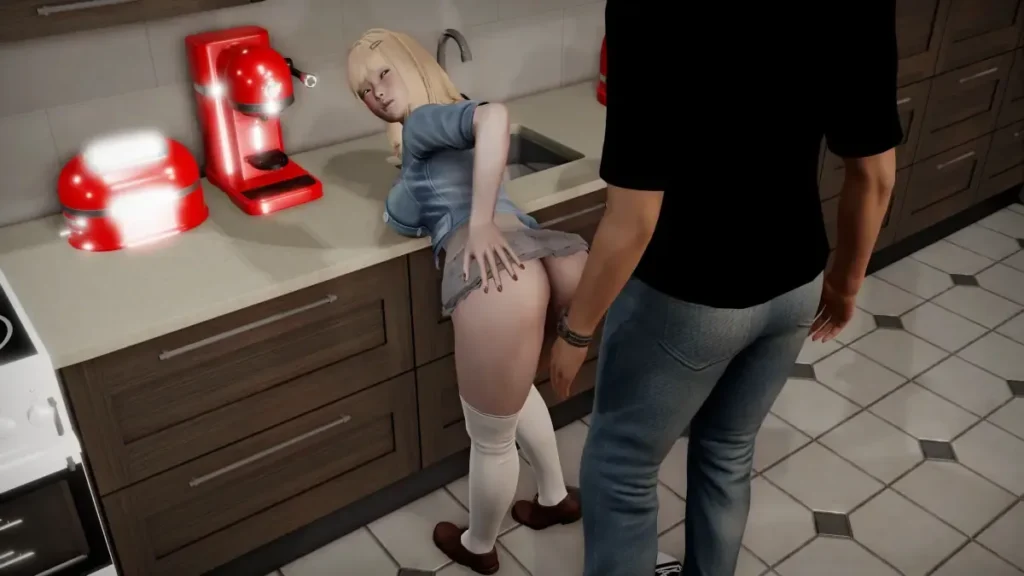
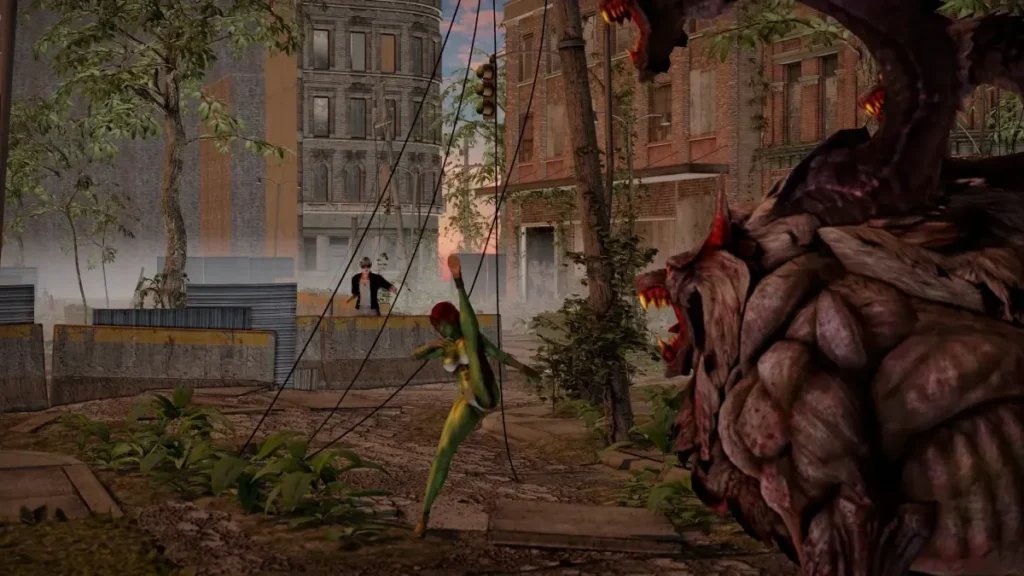
Tainted Heritage – a.k.a Weird Shit Is Going to Happen review
Exploring the Unique Gameplay, Story, and Character Development in This Unconventional Title
Tainted Heritage stands out as a distinctive entry in the indie game landscape, offering players an experience that defies conventional categorization. This game combines narrative depth with engaging mechanics, creating an immersive world where unexpected events and character interactions drive the story forward. Whether you’re a seasoned gamer exploring niche titles or someone curious about unconventional gaming experiences, understanding what makes Tainted Heritage unique can help you decide if it’s worth your time. This guide explores the core elements that define the game and what players can expect from their journey.
Understanding Tainted Heritage: Core Gameplay and Mechanics
Ever booted up a game expecting one thing and getting something… else entirely? Something that feels less like a predictable amusement park ride and more like a strange, vivid dream you’re trying to navigate? That’s the immediate, disorienting charm of Tainted Heritage – a.k.a Weird Shit Is Going to Happen. This isn’t your standard indie adventure; it’s a deliberate, masterfully crafted experiment in bending the rules of how we interact with a digital story. If you’re tired of games that play it safe, where the biggest choice is which shiny sword to buy, then buckle up. We’re diving deep into the guts of what makes this title so compellingly odd.
At its core, Tainted Heritage asks a simple, radical question: what if your character’s mental and emotional state wasn’t just a bar to manage, but the primary landscape you explore? The result is a narrative-driven gameplay experience that obliterates the wall between story and mechanics, making every action, every success, and every failure feel intensely personal. You’re not just guiding a protagonist; you’re living inside a deteriorating psyche, and the game’s systems are built to make you feel every crack.
### What Makes Tainted Heritage Different From Other Indie Games
Most games present a world, then give you tools to conquer it. Tainted Heritage presents a state of being, and your tools are often unreliable, emotional, and metaphoric. The difference isn’t just thematic—it’s foundational. While many indie titles pride themselves on unique art or poignant stories, few weld their narrative so inseparably to their unconventional game mechanics.
Think about a typical RPG. Your character gets stronger, you unlock new areas, you defeat bigger bosses. Progress is linear and quantifiable. Here, progress is often lateral, emotional, and sometimes regressive. “Getting stronger” might mean confronting a traumatic memory that unlocks a new, painful way to perceive your environment, which is both a narrative beat and a mechanical ability. The game’s world physically reshapes itself based on your character’s anxiety, guilt, or clarity. One moment a corridor is long and ominous; after a moment of narrative revelation, it might shorten or reveal a hidden door that was always there, but you couldn’t see.
This creates an unparalleled sense of intimacy. You’re not solving puzzles for the sake of progression; you’re solving them as a form of therapy for the character. The “aha!” moment isn’t just about logic; it’s about catharsis. This deep, systemic indie game story integration is the game’s boldest stroke, making it stand out in a sea of memorable indie darlings.
To give you a quick snapshot of what you’re stepping into, here’s a breakdown of its core DNA:
| Feature | Manifestation in *Tainted Heritage* |
|---|---|
| Estimated Playtime | 12-18 hours for a thorough, exploratory playthrough. |
| Core Narrative Driver | The “Spiral” System – a dynamic reflection of the protagonist’s mental state that alters puzzles, dialogue, and world geometry. |
| Key Character Progression | Emotional Resonance traits, which are unlocked through story choices and change how you interact with the world and people. |
| Primary Gameplay Loop | Exploration → Dialogue/Choice → Environmental Puzzle Solving → Narrative Revelation (which changes the world). |
| Player Choice Impact | High. Choices seed immediate dialogue changes and culminate in one of seven distinctly different narrative endings and world states. |
### Gameplay Mechanics and Player Progression Systems
Forget experience points and skill trees. The character progression systems in Tainted Heritage are a fascinating study in abstract growth. Your development is tracked through “Echoes” and “Resonances.”
-
Echoes are persistent memories—both good and bad—that you collect. They aren’t mere journal entries. 🔍 Each Echo you permanently acquire subtly alters the game world. A recovered memory of a comforting song might make a previously hostile character’s dialogue slightly warmer. A repressed memory of a failure might cause certain platforms in the environment to look unstable, whether they are or not. Your past literally colors your present.
-
Resonances are the active traits you cultivate based on your decisions. These are your “skills.” For example, you might develop the “Resonance of Defiance” by consistently choosing to push back against oppressive characters in the story. Once unlocked, this might allow you to shatter certain “walls” in the environment (both physical and metaphorical) that were previously impassable. Conversely, cultivating “Empathy” could open up entirely new dialogue branches, revealing solutions that avoid conflict altogether.
This is where Tainted Heritage gameplay mechanics truly shine. There is no “optimal build.” Choosing to develop one Resonance often means forgoing another, and the game is designed to be replayed to see how different emotional “builds” solve problems in wildly different ways. A puzzle blocking your path might be solved with brute force (Defiance), clever manipulation (Guile), or vulnerable honesty (Sincerity). The game doesn’t judge your method; it just reflects it back in the story that unfolds.
The core loop involves exploring surreal, shifting environments, engaging in deeply written conversations, and solving puzzles that are direct extensions of the narrative. An action sequence isn’t a random combat encounter; it might be a stylized representation of a heated argument, where your “attacks” are chosen dialogue retorts, and success is measured in concession, not hit points. It’s a constant, thrilling reminder that the stakes are psychological.
### How Story Integration Shapes Your Gaming Experience
In most games, story is what happens between the gameplay. In Tainted Heritage, the story is the gameplay. This isn’t about lengthy cutscenes bookending playable segments. This is about the indie game story integration being so deep that the two are indistinguishable.
Let me give you a personal anecdote. Early on, I was stuck in a looping corridor. No matter which door I took, I’d end up back in the same, increasingly distorted room. I was frustrated, trying every logical combination. Then, I remembered a minor, painful Echo I had recently uncovered—a memory of running away from a responsibility. Instead of trying another door, I made my character stand still in the center of the room and “confront” the memory through a dialogue option with themselves. The room visually stabilized, and a single, clear doorway appeared. The puzzle’s solution wasn’t spatial logic; it was narrative coherence. The game was waiting for me to have the correct emotional insight. 🤯 That moment wasn’t just clever; it was transformative. It made me feel like a true participant in the story’s healing process.
This level of integration directly fuels the narrative-driven gameplay experience. Your objectives are never just “fetch three keys.” They are “understand why this memory is locked,” or “help this spectral figure find peace by showing them the truth they’ve ignored.” The “how” of completing these tasks is where the game’s unique mechanics come alive, always in service to the “why.”
This brings us to player choice and agency in games. Tainted Heritage handles this with remarkable subtlety and power. Your choices rarely present themselves as obvious “A/B/C” dialogue wheels with morality labels. Instead, they are woven into your interactions:
* Do you investigate the ominous whispering in the corner, or do you deliberately ignore it and focus on the comforting light?
* When a character lashes out in pain, do you retaliate, withdraw, or sit silently with them?
* Do you embrace a comforting illusion, or tear it down to face a harsher truth?
Each decision feeds into your Echoes and Resonances, quietly steering the narrative toward one of its several concluding states. The agency here feels profound because it’s not about choosing a faction; it’s about choosing a method of coping, a path of healing (or denial), and the game respects every path as valid. The Tainted Heritage game length and playtime of 12-18 hours is packed with these meaningful micro-decisions, ensuring no two journeys feel identical. You’re not watching a story unfold; you’re authoring its emotional vocabulary.
The pacing is deliberate, often slow, but never dull. It understands that tension comes from anticipation and unease, not just jump scares or constant action. It gives you space to breathe, to ponder the implications of what you’ve just learned, and to dread (or hope for) what might come next. The balance is masterful: long stretches of exploratory contemplation are punctuated by intense, mechanics-driven narrative climaxes where all your accumulated emotional “tools” are put to the test.
In the end, Tainted Heritage is more than a game; it’s an argument for what interactive stories can be. It proves that unconventional game mechanics, when married perfectly to theme, can create a deeper sense of immersion than any photorealistic graphic or epic soundtrack. It asks for your patience and your emotional investment, and in return, it offers an experience that lingers long after the credits roll—a haunting, personal echo of its own.
Tainted Heritage represents a significant achievement in indie game development, demonstrating that unconventional titles can deliver compelling experiences through thoughtful design and quality execution. The game’s strength lies in its commitment to meaningful character development, narrative integration, and respectful treatment of mature themes. Whether you’re drawn to story-rich experiences, character-driven narratives, or simply looking for something different from mainstream gaming, Tainted Heritage offers a unique journey worth exploring. If you appreciate games that prioritize writing quality and player agency, this title deserves a place on your gaming list. Take the time to experience what makes this game special and discover why it has earned recognition within the indie gaming community.