
Project QT Screenshots


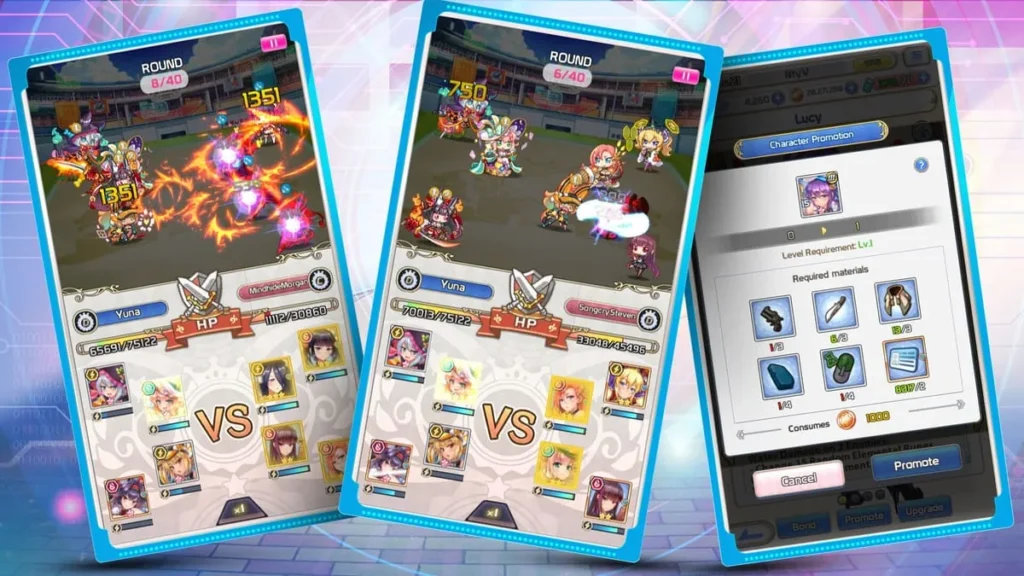
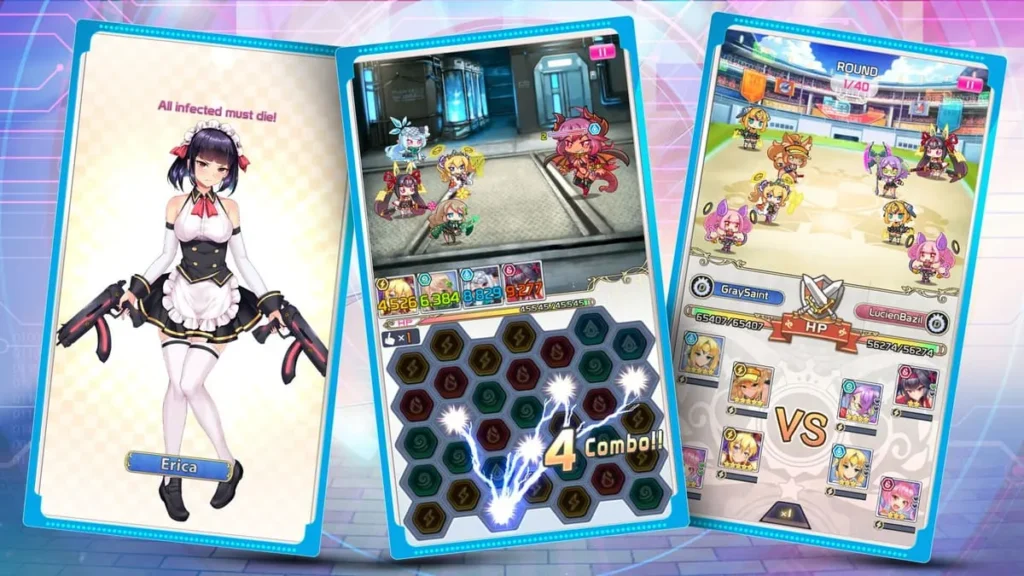
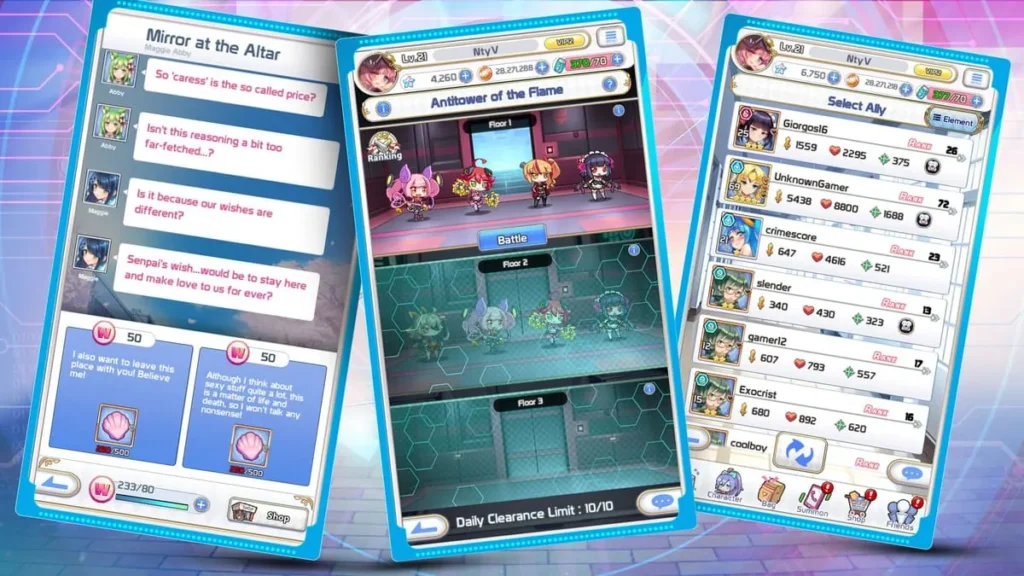
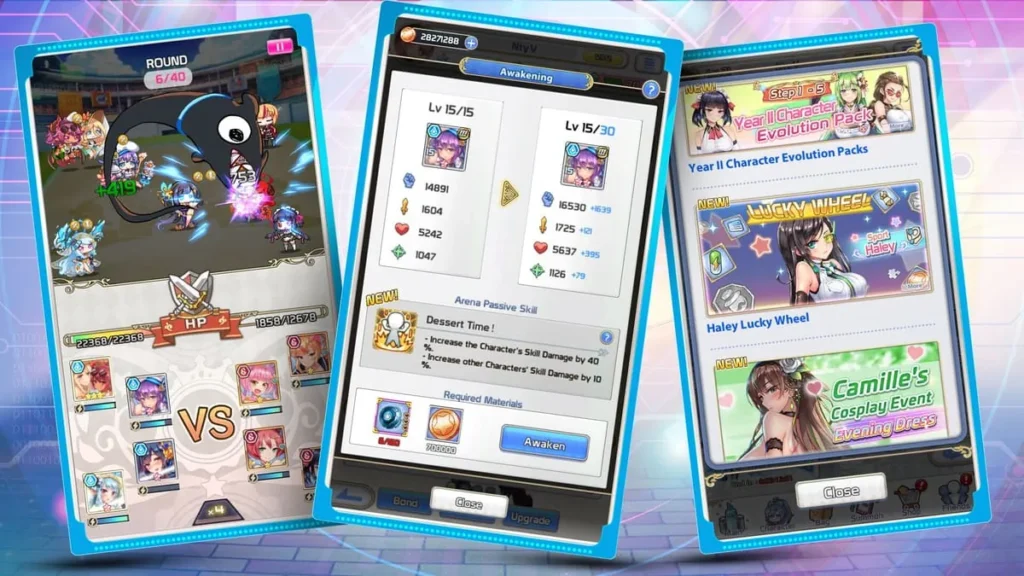
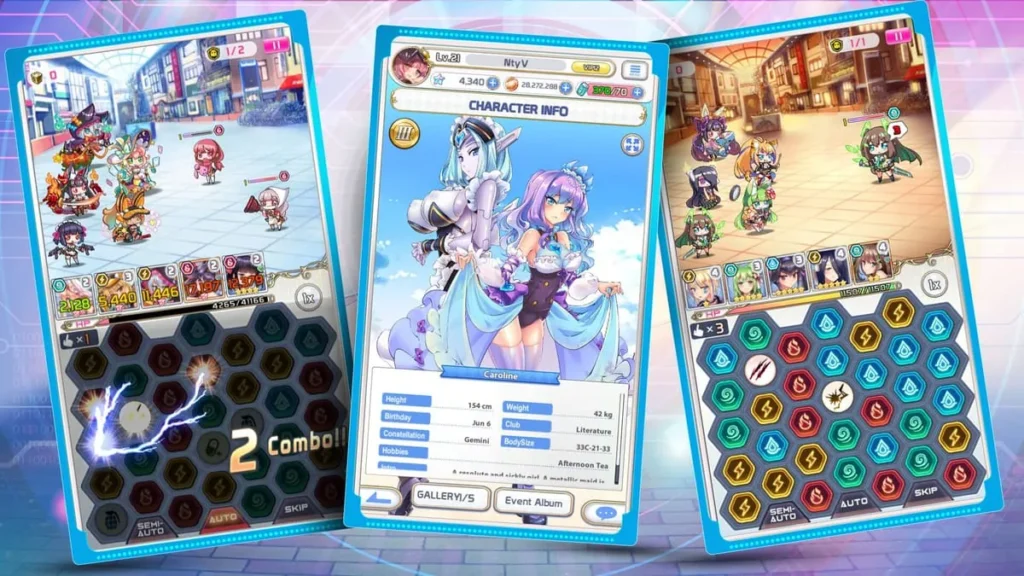
Project QT review
Master character evolution, combat systems, and progression strategies in this mobile RPG
Project QT stands out as a distinctive mobile RPG that blends match-3 puzzle mechanics with character-driven narratives and strategic combat systems. This game has captured the attention of players looking for a sophisticated experience that rewards both tactical planning and skill-based gameplay. Whether you’re new to the title or seeking to optimize your progression strategy, understanding the core mechanics—from character evolution paths to combat customization—is essential for maximizing your engagement. This guide explores the fundamental systems that make Project QT compelling, offering insights into how the game balances competitive gameplay with progressive character development.
Understanding Project QT’s Core Gameplay Systems
Ever felt that sinking feeling in a mobile RPG when you realize your team just can’t keep up? You’ve dumped resources into leveling, but something crucial is missing. That was me, about two weeks into Project QT. I had a team of my favorite characters, but in tough battles, they’d just… melt. 🫠 I was matching gems like a pro, but the damage numbers weren’t adding up. The problem wasn’t my matching skill—it was that I didn’t truly understand the game’s brilliant fusion of genres. The magic of Project QT gameplay mechanics isn’t in doing just one thing well; it’s in mastering the dance between your brain and your brawn, between puzzle-solving and long-term team building.
This guide is the result of my journey from frustrated to formidable. We’re going to crack open the core systems that make this game so uniquely engaging. By the end, you’ll see your characters not just as pretty pictures, but as intricate puzzles of potential, and every match-3 board as a tactical battlefield. 🧩⚔️ Let’s get started.
Match-3 Puzzle Mechanics and Combat Integration
At first glance, the combat seems simple: match gems to attack. But to master match-3 RPG combat in Project QT, you need to think like a chess player and a speed-puzzler simultaneously. This isn’t a passive background activity; it’s the active, beating heart of every fight.
The board is your command center. Each color corresponds to one of your four active party members. Matching their color gems generates energy for that specific character. Fill their energy bar, and you can unleash their powerful skill. But here’s the twist: the combat integration goes far beyond a simple 1:1 relationship.
- Skill Synergy is Key: It’s not just about firing off skills as soon as they’re ready. The real strategy lies in sequence. For example, does one of your characters have a skill that “Weakens” the enemy, making them take more damage? You’ll want to trigger that before your heavy hitter’s ultimate move. Planning your matches to charge the right character at the right time is the first layer of tactical depth.
- The Power of Special Gems: Matching four gems in a line creates a Power Gem (a larger, glowing gem). Matching five in an “L” or “T” shape creates a Bomb Gem. These are your game-changers! 💥
- A Power Gem, when matched, does high damage and clears an entire row or column. I use these to quickly finish off a low-health enemy or to clear a path to more valuable matches.
- A Bomb Gem clears all gems in a 3×3 area around it. This is your panic button and your setup tool. Need a ton of energy for your healer now? Detonate a bomb in a cluster of her color. The board reshuffle from these special gems often creates cascading matches, leading to massive turns.
- Enemy Patterns Matter: Bosses and stronger enemies have attack patterns. They might charge a devastating move for 2-3 turns. This is your cue! Instead of just scattering matches, you need to focus all your efforts on creating special gems and charging your team’s strongest single-target skills to break the boss’s stance or take them down before they unleash hell. This makes every fight a dynamic puzzle.
This fusion is what separates Project QT from other games. Your success isn’t just about having higher stats; it’s about your on-the-fly decision-making. A perfectly timed Bomb Gem combo can turn a sure defeat into a glorious victory, proving that your skill is just as important as your team’s power level. This mastery of the puzzle board is the essential fuel for your long-term Project QT progression guide.
Character Evolution Trees and Development Branches
Alright, you’ve got the combat basics down. Now, let’s talk about the true long-term engine of power: your characters. Leveling them up is just the tip of the iceberg. The real character evolution strategy in Project QT is a deep, rewarding system of branching choices that lets you tailor each girl to your exact needs. This is where you move from having a team to crafting a squad.
Every character has an Evolution Tree, typically branching into three paths: Attack, Defense, and Support. You don’t get everything at once. You earn Evolution Materials from missions and events to unlock nodes on this tree, forcing you to make meaningful choices about your character development paths. Do you push your tank further into damage mitigation, or dip into a support branch for a team-wide shield? The choice is yours.
The progression is gated by major star milestones, each unlocking a new tier of power and customization. Let’s break them down:
| Evolution Milestone | Key Unlock & Benefit | Strategic Impact |
|---|---|---|
| 3-Star Unlock | Passive Skills (e.g., Lifesteal, Crit Rate Boost, Damage Reduction) | Defines the character’s initial combat role. This is where you choose your core specialization. |
| 5-Star Awakening | Ultimate Ability & Significant Stat Jump | Unlocks the character’s most powerful move, often changing team dynamics. Requires duplicate characters or rare items. |
| 6-Star Ascension | 30% Global Stat Boost & Visual Enhancement (New Art) | The final power spike, making the character a true end-game unit. A massive resource investment with huge rewards. |
Let’s make this real with an example. Imagine you have a Fire Mage character, “Elara.” 🔥 Her evolution tree might offer:
- Pyro Mastery (Attack Branch): Nodes here increase her direct fire damage, add a “Burn” damage-over-time effect to her skills, and boost her Critical Hit rate. If you go deep here, she becomes a glass cannon—your main source of deleting single targets.
- Flame Armor (Defense Branch): This path surprises people. It could grant her a shield when she uses her skill, provide damage resistance against water enemies, or even reflect a portion of damage taken. Building her this way turns her from a pure backline caster into a surprisingly resilient off-tank who can survive longer to deal sustained damage.
Early on, I made the mistake of spreading my resources too thin, unlocking a node on every branch for a character. It was totally inefficient! 🐌 I learned that committing to one primary path until you hit a major milestone (like 5-Stars) is almost always better. This focus is the heart of a smart character evolution strategy.
The requirement for Awakening Stages (to get to 5-Stars and beyond) involves collecting duplicate character cards. This is where the game’s collection mechanics come in. Premium currency usage is most efficient saved for “rate-up banners” featuring a specific character you need to complete your core team or gain those crucial duplicates for awakening. Don’t just spend gems as soon as you get them—plan your pulls around your team’s evolution goals!
Strategic Customization and Progression Pathways
Now for the big picture: bringing it all together. Strategic customization in this mobile RPG customization powerhouse is about synergy—between your characters’ evolved skills, their positions in your team, and your own puzzle-solving strategy. Your choices in resource allocation literally define your account’s identity.
Resource Allocation: The Eternal Choice
You’ll always have less Evolution Materials, Experience Drinks, and Gold than you want. The single most important piece of actionable advice I can give is: PRIORITIZE YOUR CORE FOUR. Identify a main team of four characters that work well together (e.g., 1 Tank, 1 Healer/Support, 2 Damage Dealers) and funnel 80% of your resources into them. Trying to keep eight characters equally leveled is the fastest path to hitting a progression wall. This focused approach is the core of any effective Project QT progression guide.
Building Teams, Not Just Characters
Your character development paths should be chosen with the whole team in mind. If your main tank has a strong self-heal, maybe you can invest your healer’s evolution tree more into offensive support skills. If your damage dealers are fragile, perhaps your support character should focus on the branch that grants a protective barrier.
Pro Tip from My Experience: I built a team around a core mechanic: “Attack Speed.” I evolved one support character to boost the team’s speed, and chose evolution branches for my damage dealers that had bonuses on fast or consecutive attacks. The result? My team would often get 2 turns for every 1 of the boss’s, controlling the flow of battle completely. It wasn’t the individually strongest builds, but the synergy was unbeatable.
Pathways for Different Playstyles
* The Aggressive Player: Focus evolution on the Attack branches for your damage dealers. Prioritize characters with high burst damage ultimates. In combat, use the match-3 board aggressively to create Bomb Gems to wipe out enemies before they can retaliate.
* The Defensive Strategist: Invest in the Defense and healing branches. Build a team that can outlast anything. In battle, use matches more carefully to ensure your healer’s energy is always ready, and use special gems to control the board and buy time.
* The Hybrid Tactician: This is the most advanced path, and my personal favorite. 😎 You might evolve a damage dealer partially into their Support branch for a useful debuff, creating a more flexible unit. This style requires deep knowledge of every character’s tree and adapts team composition based on the specific challenge.
How to Level Up Characters in Project QT Efficiently
Beyond evolution, straight leveling is vital. How to level up characters in Project QT isn’t complicated, but being smart about it saves weeks:
1. Daily Dungeons are Sacred: Never skip the EXP Material dungeons. They are your primary fuel.
2. Dispatch Missions: Always have characters dispatched on the longest, highest-reward missions you can manage. It’s free EXP over time.
3. Main Story & Events: These give huge chunks of EXP drinks. Pushing the main story when you can is always worthwhile.
Ultimately, Project QT rewards the player who thinks ahead. Every vial of EXP, every evolution material, and every match on the board is a piece of your strategic puzzle. It’s a game that respects your intelligence and rewards your planning as much as your quick fingers. By mastering these interconnected systems—the lively match-3 RPG combat and the deep, strategic character evolution strategy—you stop just playing the game and start truly commanding it. Now go out there, make those strategic choices, and watch as your carefully crafted team dominates every challenge the game throws at you! 🏆✨
Project QT delivers a sophisticated blend of strategic gameplay and narrative depth that distinguishes it within the mobile RPG landscape. The game’s evolution system, with its branching development paths and milestone-based progression, empowers players to customize their teams according to their preferred playstyle—whether prioritizing offensive firepower, defensive resilience, or support capabilities. Understanding these core mechanics, from match-3 puzzle integration to character awakening stages, is fundamental to progressing effectively and enjoying the long-term engagement the game offers. By mastering resource allocation and strategic team composition, players unlock the full potential of Project QT’s combat systems and character customization options. Whether you’re optimizing your healer first or building specialized damage dealers, the game rewards thoughtful planning and tactical decision-making at every progression stage.