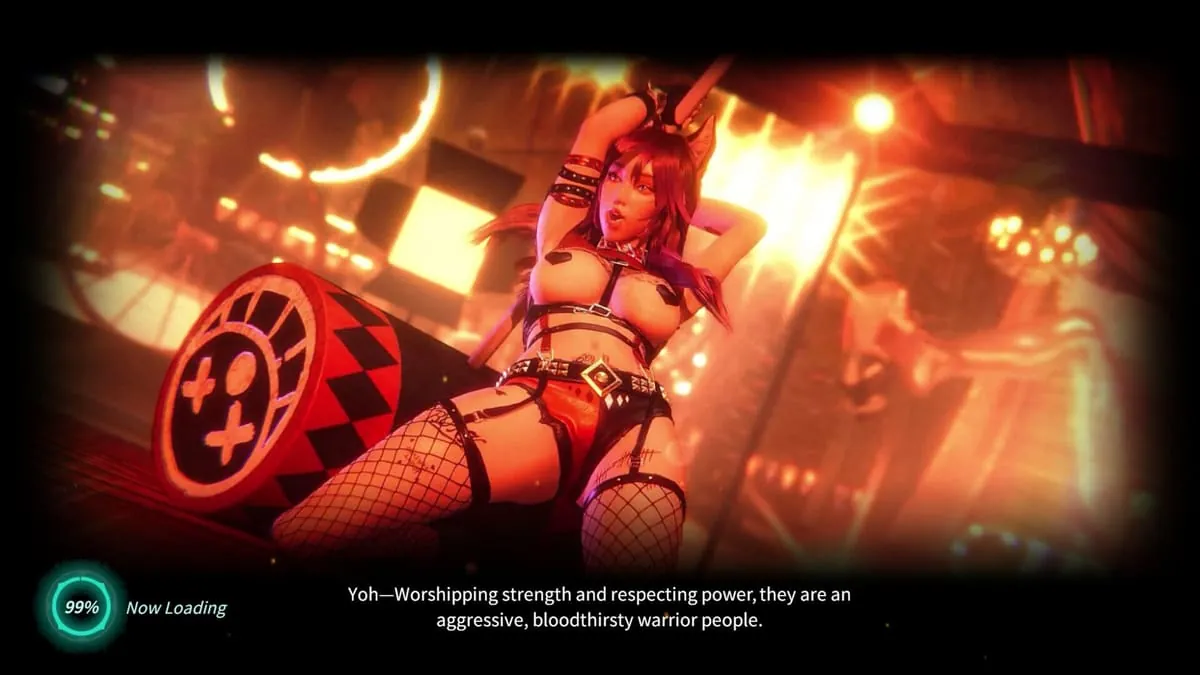
Only a Dream
Play Only a Dream
Only a Dream Screenshots















Only a Dream review
Explore the immersive narrative, gameplay mechanics, and adult content of this interactive experience
Only a Dream stands out as a captivating adult visual novel that combines narrative depth with interactive storytelling. Developed by tightbuns and released in February 2024, this game invites players into the intimate world of Maddie, a young woman navigating the blurred lines between reality and recurring dreams. The experience centers on branching narratives where your choices genuinely shape the story’s direction, creating a personalized journey through dreamlike scenarios. With its focus on decision-making, character relationships, and immersive 3D graphics powered by Unreal Engine 5 technology, Only a Dream offers players a unique blend of engaging storytelling and visual excellence that has garnered attention in the adult gaming community.
Understanding Only a Dream: Core Gameplay and Narrative Structure
Let’s be honest: most games that promise “your choices matter” are lying to you. 😒 You pick a snarky dialogue option, the character scowls for a second, and the story chugs along exactly the same track it was always on. It feels cheap, and it pulls you right out of the experience. When I first booted up Only a Dream, I expected more of the same. I was so, so wrong.
What I found instead was a narrative labyrinth where every whisper of a thought, every casual reply, and every moment of silence genuinely reshapes the world around you. This isn’t a game you just play; you live it. The core of this incredible feeling lies in its masterful fusion of interactive narrative gameplay and subtle, behind-the-scenes systems. It respects your intelligence, trusts you to pay attention, and rewards you with a story that feels uniquely—and sometimes terrifyingly—your own.
What Makes the Branching Narrative System Work
At its heart, the Only a Dream branching narrative isn’t a tree with a few big branches. It’s more like a sprawling, interconnected root system. 🌳 Most visual novels might have a couple of major decision points that lead to different endings. Only a Dream operates differently. Here, the narrative branches constantly, with smaller choices aggregating to steer you toward vastly different narrative continents.
The game’s philosophy is simple: it never holds your hand or flashes a giant “THIS IS IMPORTANT” sign. A seemingly innocuous question about a character’s childhood hobby, or whether you decide to explore a dusty corner of a dreamscape, can plant a seed that blossoms chapters later. There’s no reloading a save to see “what if” without consequence—the game autosaves aggressively, committing you to your journey. This sounds intimidating, but it’s what makes the story so powerful. You’re not watching a protagonist make choices; you are the protagonist, living with the uncertainty and weight of every decision.
I learned this the hard way during my first playthrough. Early on, I met the enigmatic Leo. He made a sarcastic comment, and I, trying to be friendly, chose a dialogue option that gently challenged his cynicism. It felt like a tiny moment. Fast forward several hours, during a critical, vulnerable scene, he referenced that exact exchange, saying it was the first time someone hadn’t just agreed with him in years. A path of dialogue and trust opened up that was completely absent when I replayed and chose a different response. That’s the magic. The Only a Dream branching narrative doesn’t just change endings; it changes the very texture of the journey, the relationships, and the information you have access to at any given moment.
Decision-Making Mechanics and Consequence Systems
So, how does this all work in practice? The visual novel decision making in Only a Dream manifests in two primary ways: dialogue options and pivotal action choices. The dialogue is where you’ll spend most of your time, and it’s here that the game truly shines.
You’re often given more than three responses, and they rarely map to simple “Good, Neutral, Bad.” Instead, you might choose between “Compassionate,” “Analytical,” “Deflective,” “Humorous,” or “Silent.” 😶 The silence option is a masterstroke—sometimes, saying nothing is the most profound choice you can make, and the game’s characters react to that absence with remarkable nuance. These dialogue options consequences are rarely immediate. A character might seem fine with your bluntness, but you’ll notice them sharing less with you later, or a third party might mention you upset them.
Then there are the key decision points. These are the major forks in the road. Do you confront the mysterious figure in the dream or flee? Do you share a dangerous secret with one ally over another? These choices can lock or unlock entire character routes, alter the political landscape of the waking world segments, and determine who survives certain cosmic horrors. The game makes these moments feel earned, not random. Your prior relationship building and discovered lore directly influence which options are even available to you, making every major fork a testament to your previous Only a Dream story choices.
To give you a clearer picture of how these mechanics weave together, here’s a breakdown:
| Gameplay Feature | How It Works | Direct Narrative Impact |
|---|---|---|
| Dialogue Choices | Multiple nuanced responses (Compassionate, Sarcastic, Silent, etc.) during conversations. | Subtly shifts character affinity, unlocks future dialogue branches, reveals hidden backstory details specific to that relationship dynamic. |
| Key Decision Points | Major plot forks often involving moral dilemmas or critical actions. | Can open or close entire story arcs, change the fate of major characters, and redirect the core mystery’s investigation path. |
| Relationship Meters (Invisible) | Hidden affinity values for each character that change with every interaction. | Determines which scenes are available, how characters behave in crises, and the tone/outcome of romantic or confrontational moments. |
| Dreamscape Exploration | Clicking on interactive environmental elements within dream sequences. | Unlocks crucial lore fragments, reveals a character’s deepest traumas or desires, and can provide key items or clues for waking-world puzzles. |
Character Relationships and Invisible Affinity Tracking
This is where the game’s genius is most hidden—and most effective. Only a Dream features a stunningly deep affinity tracking system, but you will never see a single heart, bar, or number on your screen. 🫀 The game completely eschews traditional relationship meters. You won’t get a “+5 Favor with Elena” notification. Instead, you have to pay attention.
Every character has their own complex, invisible ledger tracking your every interaction. This character relationship mechanics system evaluates not just what you said, but how and when you said it. Agreeing with a character when they’re confident strengthens your bond. Agreeing with them when they’re clearly doubting themselves might make them respect you less. The game reads subtext.
I tested this extensively with the character of Anya. In one playthrough, I consistently supported her ambitious, take-charge attitude. She became my closest ally, sharing secrets and strategies. In another, I chose options that were supportive but urged caution, subtly questioning her reckless plans. By the mid-game, she was still friendly, but noticeably withheld information, teaming up with other characters instead and leaving my protagonist somewhat in the dark. The entire dynamic shifted based on dozens of tiny, cumulative choices. This affinity tracking system is the engine that makes the interactive narrative gameplay feel so authentic.
The consequences of this system are profound:
* Unlocking Unique Scenes: Certain intimate, dramatic, or horrifying scenes are only triggered if your hidden affinity with a character is within a specific range. You might unlock a tender moment only if your relationship is built on mutual vulnerability, not just blind agreement.
* Influencing Group Dynamics: Characters talk about you when you’re not there. Your affinity with one character can affect how another perceives you, based on the whispers and opinions shared between them.
* Altering Story Availability: Need a character’s help for a crucial plan? They’ll only agree if the invisible history you share suggests true trust. Missed a key piece of backstory because a character didn’t feel comfortable sharing it? You might lack the context to make an optimal choice later.
The ultimate beauty of Only a Dream is how all these systems—the branching narrative, the consequential visual novel decision making, and the invisible character relationship mechanics—combine into a seamless whole. You stop thinking about “managing meters” or “picking the right option.” You simply exist in the story, reacting as yourself. The dialogue options consequences feel real because they are built on a foundation of genuine cause and effect. You explore dreamscapes not because a quest marker tells you to, but because you’re driven by a personal need to understand.
This is what it means for a game to have interactive narrative gameplay that truly matters. It’s a straightforward concept—you make choices, they change the story—executed with incredible depth. Your story in Only a Dream is a personal fingerprint, a collection of all the subtle whispers and bold shouts you’ve made along the way. It’s an experience that stays with you long after the final dream fades, because you didn’t just witness it; you built it, one heartfelt, difficult, and beautiful choice at a time. ✨
Only a Dream represents a distinctive entry in the adult visual novel genre, combining sophisticated narrative design with cutting-edge visual technology. The game’s strength lies in its respect for player agency through meaningful branching narratives where every choice carries weight and consequence. Maddie’s journey through the blurred boundaries of dream and reality offers an emotionally engaging experience that goes beyond surface-level content. With its Unreal Engine 5 graphics, invisible affinity tracking systems, and decision-driven gameplay, the title demonstrates how adult games can deliver both substance and visual excellence. Whether you’re drawn to interactive storytelling, character-driven narratives, or immersive 3D experiences, Only a Dream provides a complete package that rewards exploration and multiple playthroughs. The game’s availability across multiple platforms ensures accessibility for interested players seeking a short but impactful gaming experience.