Now & Then
Play Now & Then
Now & Then Screenshots
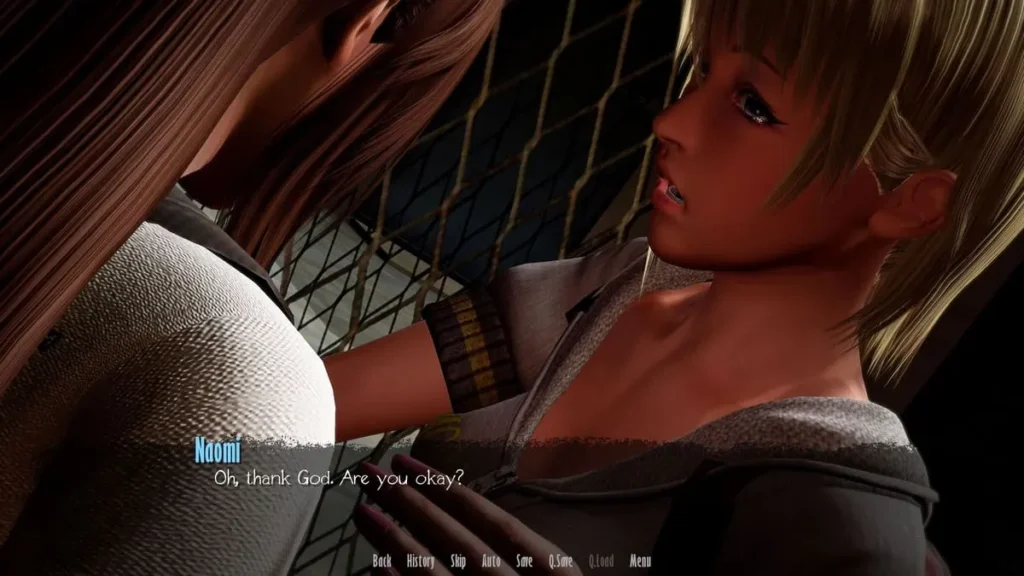
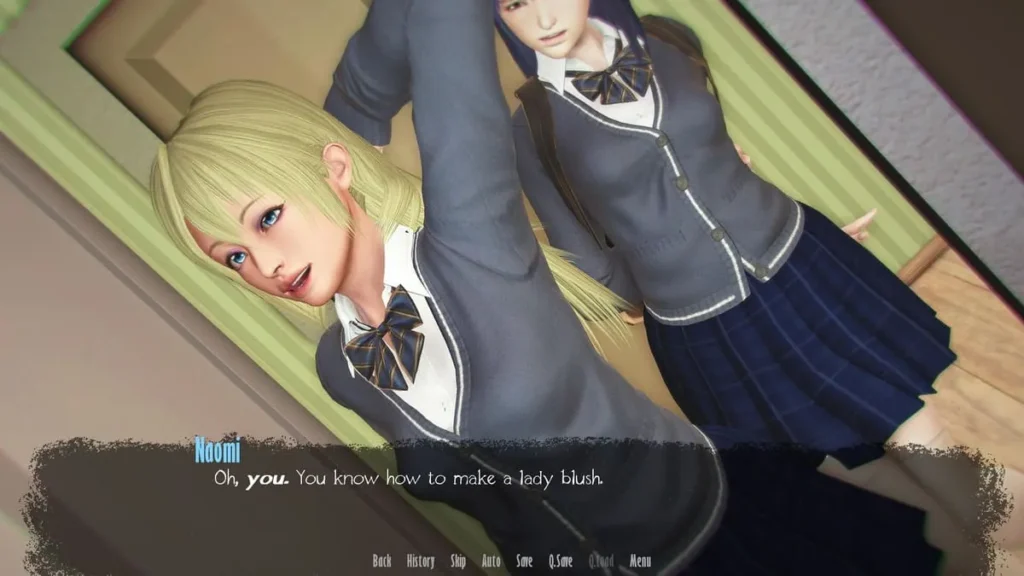
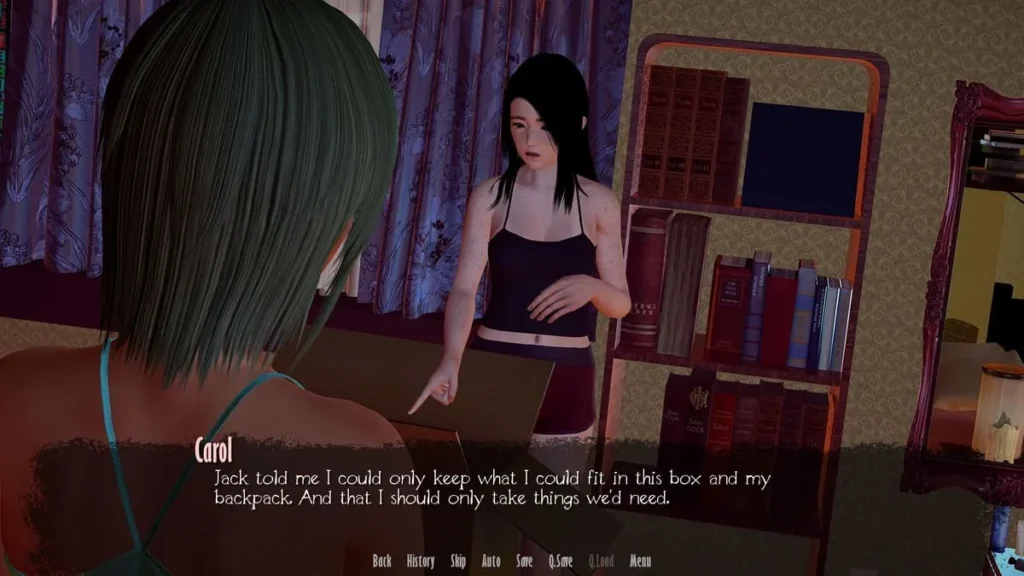
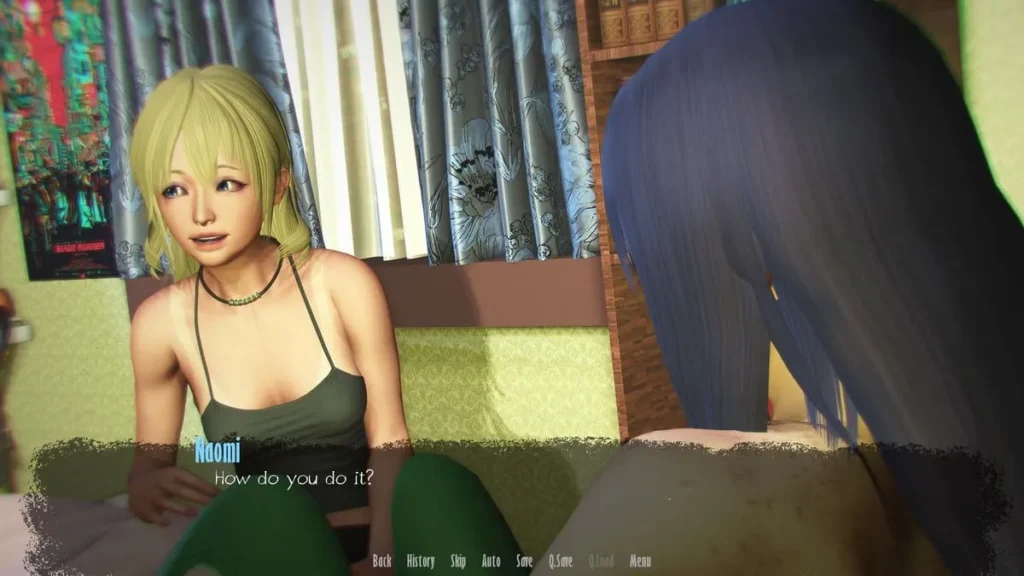
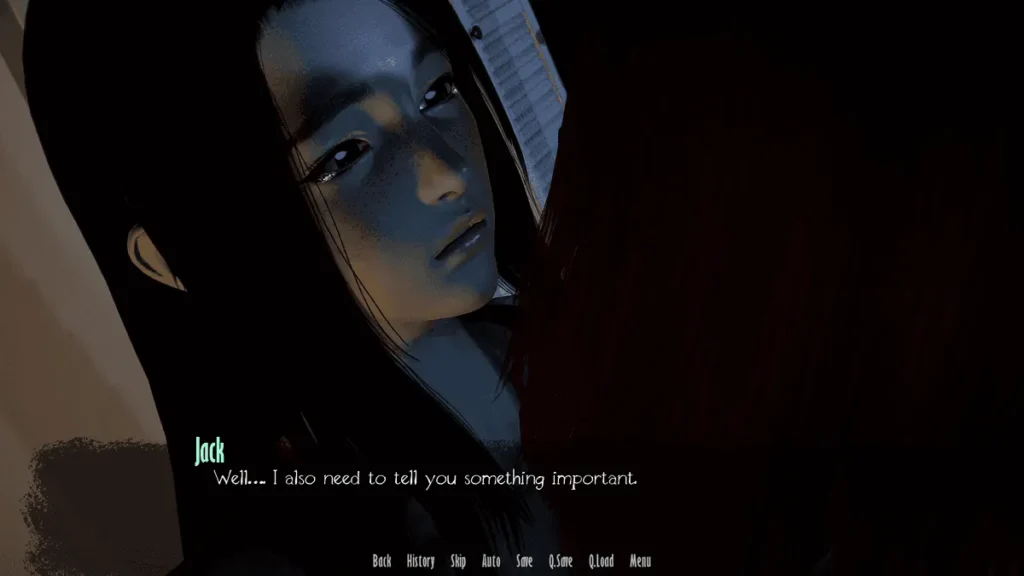


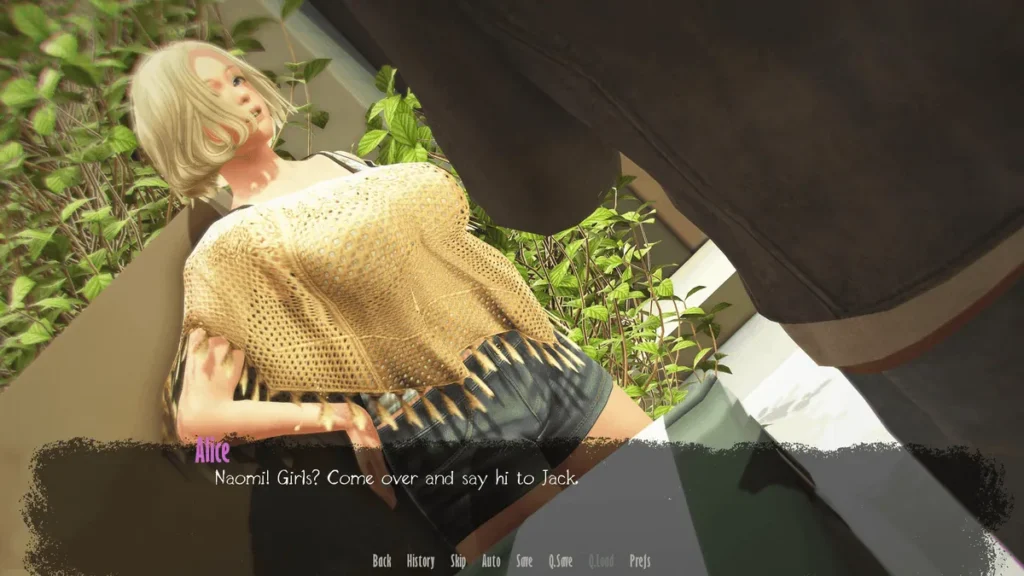
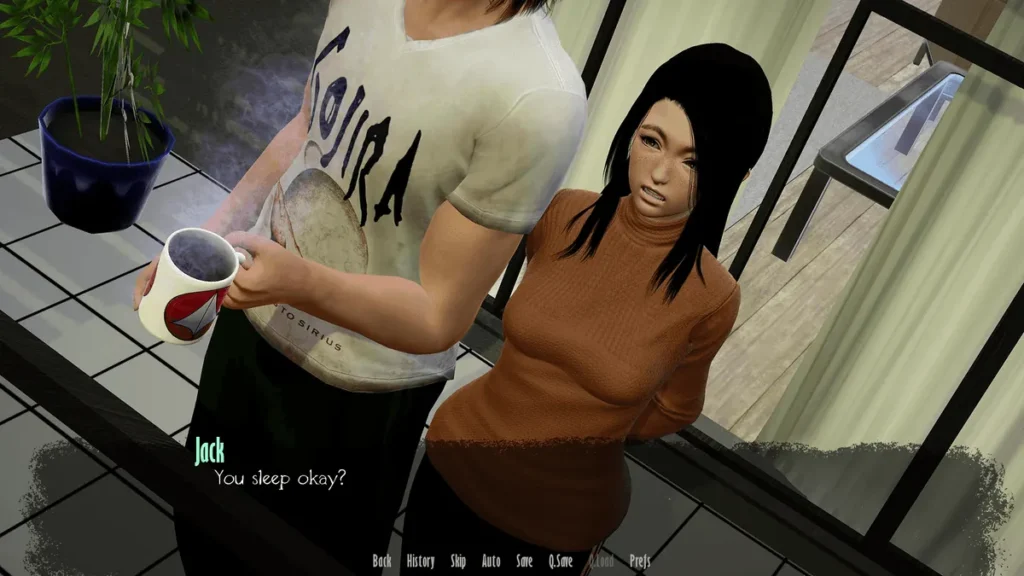
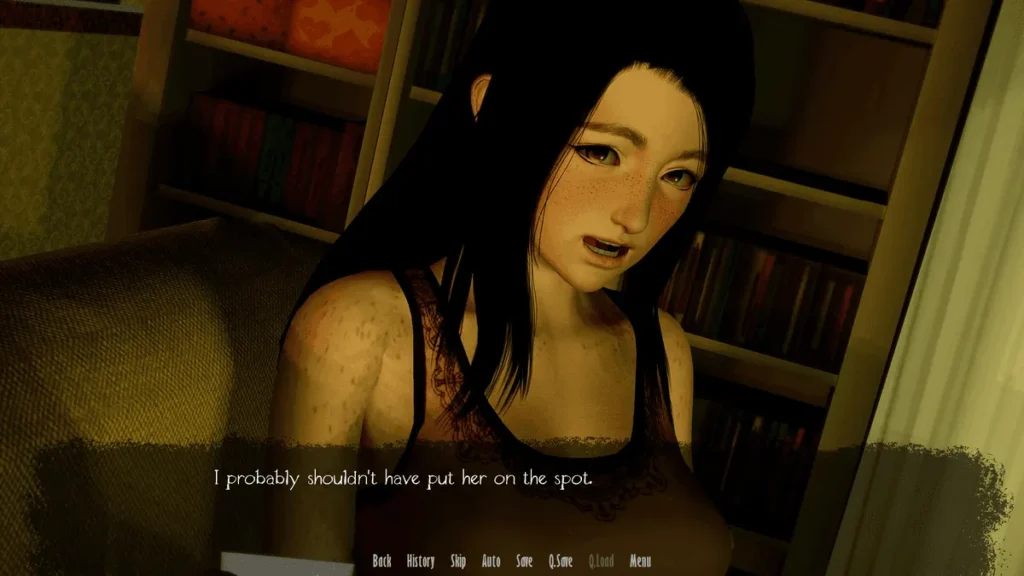
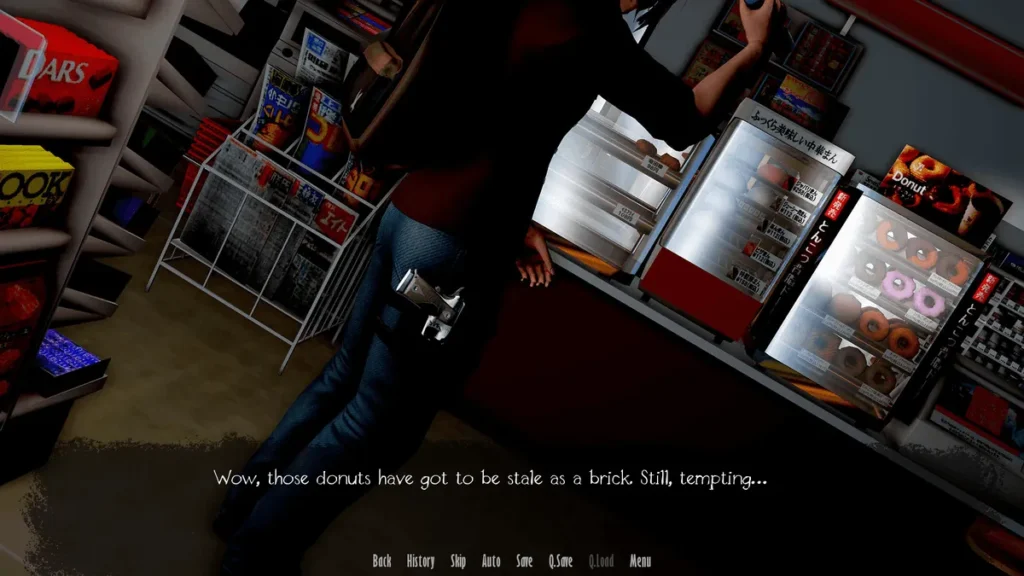
Now & Then review
Master storylines, character relationships, and unlock all scenes in this branching narrative experience
Now & Then is a complex narrative-driven game featuring multiple branching storylines, character relationships, and unlockable content that rewards player choices. With over 430 new and updated scenes across multiple chapters, the game offers extensive replay value through its intricate stat system and relationship mechanics. This guide covers essential gameplay mechanics, character paths, scene unlocking strategies, and tips for experiencing all the game has to offer. Whether you’re starting fresh or looking to unlock specific content, understanding how the game’s branching system works is crucial for maximizing your experience.
Understanding Game Mechanics and Branching Choices
Ever loaded up a branching narrative game, made what you thought was a harmless choice, and hours later found yourself staring at a character giving you the cold shoulder, wondering what on earth you did wrong? 🤔 I’ve been there, and in Now & Then, that feeling is the entire point. This isn’t a story you simply watch; it’s a delicate web of relationships you actively weave—and sometimes tangle—with every single decision.
The genius, and occasional frustration, of the Now & Then game mechanics lies in their beautiful simplicity and brutal consequences. At its heart, the game runs on a deceptively clever stat tracking system that turns every dialogue option and action into a pivotal moment. Forget generic “good” or “evil” meters. Here, your world revolves around the hearts and minds of the people around you.
How the Stat System Affects Your Gameplay
Think of every major interaction in Now & Then as a balancing act. 🎪 The core game mechanics operate on a direct “teeter-totter” principle. When you choose an option that pleases one character, granting them a +1 to their “Love” or “Affinity” stat, the game often automatically applies a -1 to another character’s perception of you. It’s a zero-sum game of emotions.
This isn’t hidden math; it’s the driving tension of the narrative. For instance, early on, you might have to decide how to allocate limited supplies. Giving the extra medicine to the cautious, strategic character might boost your standing with them, but simultaneously irritate the compassionate character who wanted it for someone else. The game isn’t about finding a “perfect” choice—it’s about deciding whose approval matters more to your version of the story, and living with the ripple effects.
The stat tracking system is always running in the background, silently shaping every interaction. A character you’ve consistently supported will share more secrets, offer unique help, and view your actions in a kinder light. Conversely, a character you’ve neglected or opposed will become more distant, their dialogue options shrinking, and they might even openly challenge your decisions at critical junctures. This creates an incredibly dynamic world where your social capital is your most valuable resource.
Here’s a practical look at how some foundational choices can set your entire playthrough on a different trajectory:
| Early Game Choice | Primary Stat Impact | Secondary Stat Impact | Potential Story Branch Lock |
|---|---|---|---|
| Approach Naomi for the first major alliance | Naomi +2 (Trust) | Carol -1 (Resentment) | Opens tech-focused subplots and Naomi’s personal missions early. May lock out Carol’s initial intimate scenes. |
| Side with Carol in the initial dispute | Carol +2 (Loyalty) | Naomi -1 (Skepticism) | Grants access to Carol’s network and survival-focused paths. Can delay or alter access to key tech upgrades. |
| Distribute rations equally | Group Morale +1 | Individual stats unchanged (missed opportunity for +1) | Maintains neutral opening, keeping more mid-game paths available but requiring stronger choices later to build deep bonds. |
| Investigate the mystery alone | Independence +1 | Allies -1 (Worry/Frustration) | Can unlock unique clues and solo scenes, but may trigger intervention events where characters question your secrecy. |
Navigating Multiple Character Paths and Relationship Tracking
This is where the branching choices gameplay becomes a thrilling juggling act. 🥴 You’re not managing one relationship; you’re managing an entire ensemble cast, each with their own memories, desires, and petty jealousies. The game excels at making you feel the weight of these interconnected character relationship stats.
My first playthrough was a mess. I was so focused on building a strong bond with one character that I completely alienated two others. By the mid-game, my core group was fractured, arguing over every plan, and a crucial mission failed because they simply wouldn’t cooperate. I had optimized one stat and doomed the team dynamic. It was a powerful lesson: Now & Then often rewards balanced diplomacy over min-maxing a single friendship.
The game’s interface is your best friend here. Pay close attention to the subtle cues—a character’s changed posture, a slightly colder tone of voice, or a new, more formal dialogue option. These are all reflections of the underlying stat tracking system. There’s no simple “like/dislike” bar to max out; it’s about understanding the complex web you’re building.
Pro Tip from a Failed Playthrough: Don’t load an old save just because a character got upset. Some of the most compelling, dramatic scenes are triggered by conflict and repaired trust. Let the drama play out!
Managing these paths means sometimes making a choice that is strategically “bad” for a character you love, just to keep another vital ally from turning hostile. This branching choices gameplay creates endless permutations, ensuring that no two players will experience the story—or the group—in quite the same way.
Unlocking Scenes and Special Content
So, you’ve finished one emotional rollercoaster of a story. You saw your ending, but you know there are dozens of moments, conversations, and perhaps even entire character arcs you missed. This is where Now & Then shines as a replayable masterpiece. Unlocking everything is a journey in itself, and thankfully, the game provides the tools.
First, embrace the replay mode features. Unlike many games, simply skipping dialogue you’ve seen isn’t the primary method. The game is designed to force you onto different branches. When you start a new playthrough after finishing one, the game remembers your previous major choices and will often subtly—or not so subtly—guide you or lock you out of repeating the exact same path, encouraging you to make different core decisions. It’s the game’s way of saying, “You saw that story. Now let’s try this one.”
To systematically unlock scenes, you need a strategy centered around save files and bold choices:
- The Foundation Save: 🗺️ Create a manual save right before a major, branching decision (like the iconic “Approach Naomi vs. Carol” moment). Name it clearly, e.g., “Crossroads – Naomi Path.” This is your branching point.
- Play to a Milestone: Follow that choice to a natural conclusion or a major new scene unlock. Make a note of what you saw.
- The Strategic Rollback: ↩️ Load your “Foundation Save” and make the opposite choice. Play from there. The stat tracking system will apply new values, sending you down a fresh narrative river.
- The Dedicated Run: For the most divergent content, start a completely new game with a singular focus: be the altruistic leader, the ruthless pragmatist, or dedicate yourself entirely to one character. Let other stats fall where they may.
- Leverage the Gallery: It’s been confirmed that the final version will include a comprehensive gallery with an Unlock All feature. For purists, this is a cheat. For those short on time or who want to study every beautiful piece of art, it’s a blessing.
The true joy of this unlocking scenes guide isn’t just about checking boxes. It’s about discovery. That scene where two characters share a vulnerable moment only occurs if they both have a medium-high trust in you and a low tension with each other. Finding those hidden gems is incredibly rewarding.
Remember, the Now & Then walkthrough tips that serve you best are about mindset, not just steps. Be observant, be brave with your choices, and don’t fear conflict. The most poignant scenes are often buried on the paths you were initially afraid to take. The replay mode features are your invitation to explore every shadowy corner of this rich narrative world, ensuring that every hour you invest reveals something new and unforgettable. 🎭
Now & Then offers a deeply engaging experience through its intricate branching narrative system and relationship mechanics. Success in the game requires understanding how your choices ripple through the story, affecting character relationships and available content. By mastering the stat system, planning your character path carefully, and utilizing save files strategically, you can unlock all the game has to offer. Whether you’re pursuing a specific character route or aiming to experience every scene, the game rewards thoughtful decision-making and multiple playthroughs. As the final version continues development with enhanced features like the Unlock All gallery option, players will have even more flexibility in exploring every storyline and scene the game provides.