Good Girl Gone Bad
Play Good Girl Gone Bad
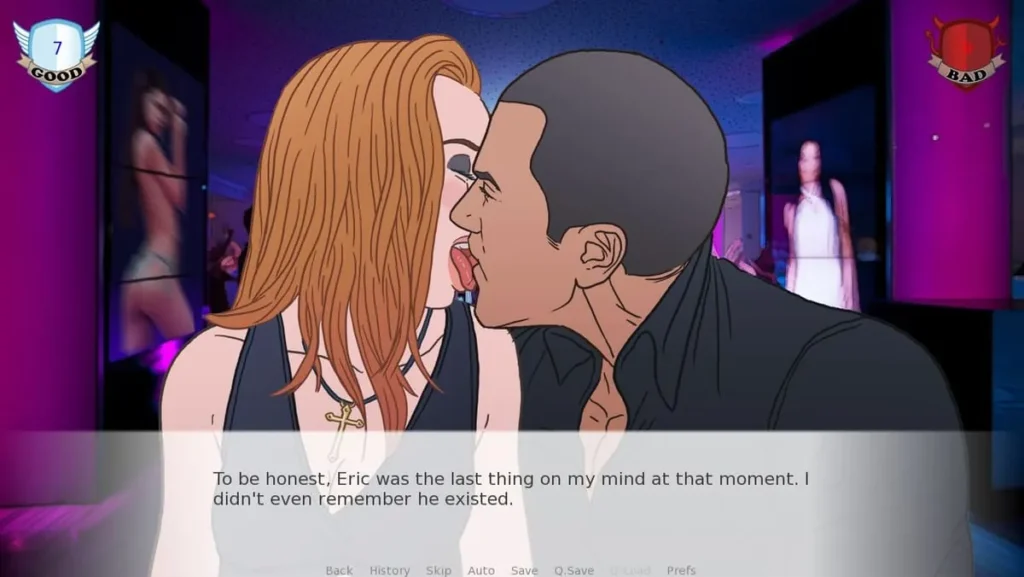
Good Girl Gone Bad Screenshots


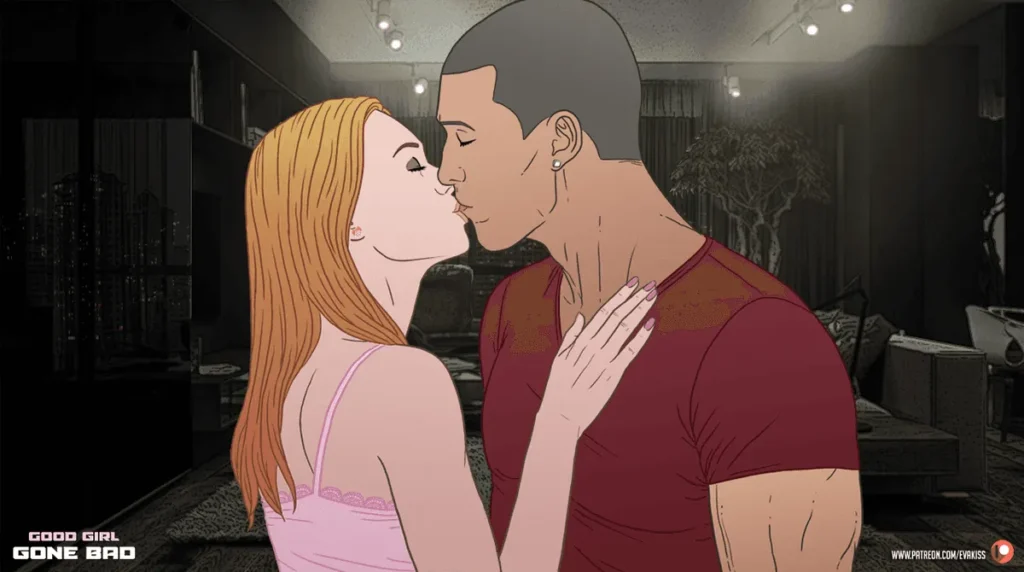

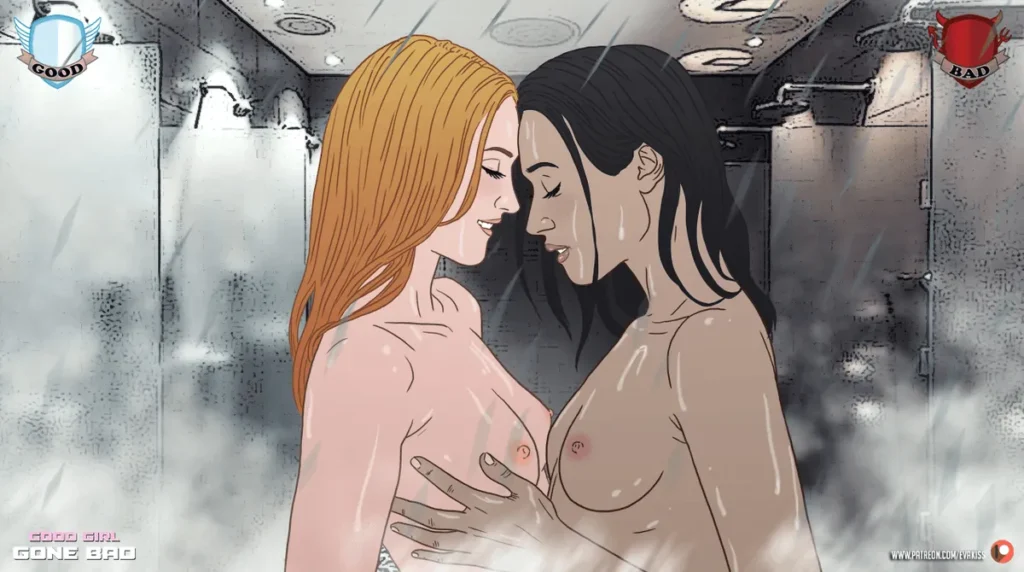
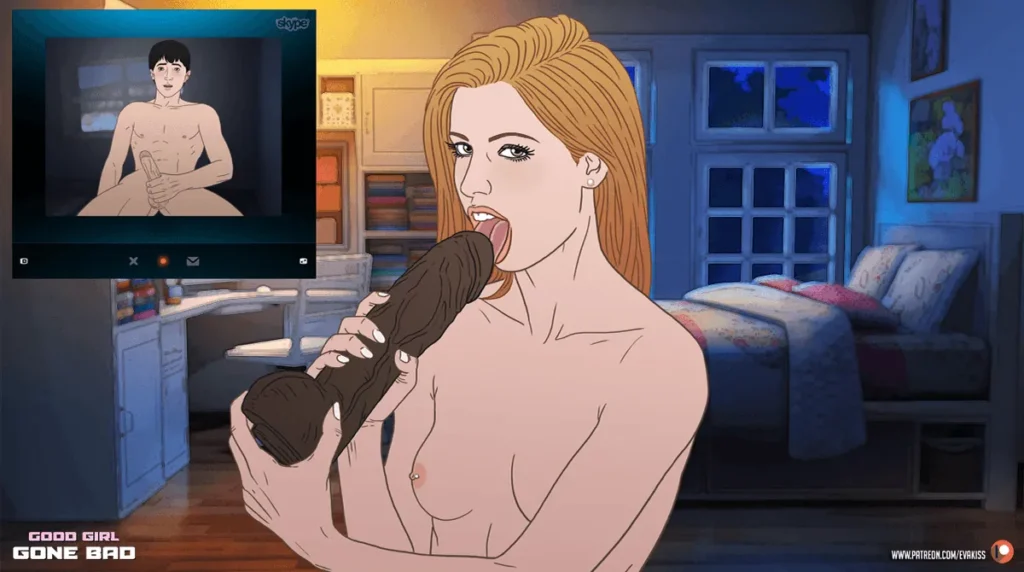




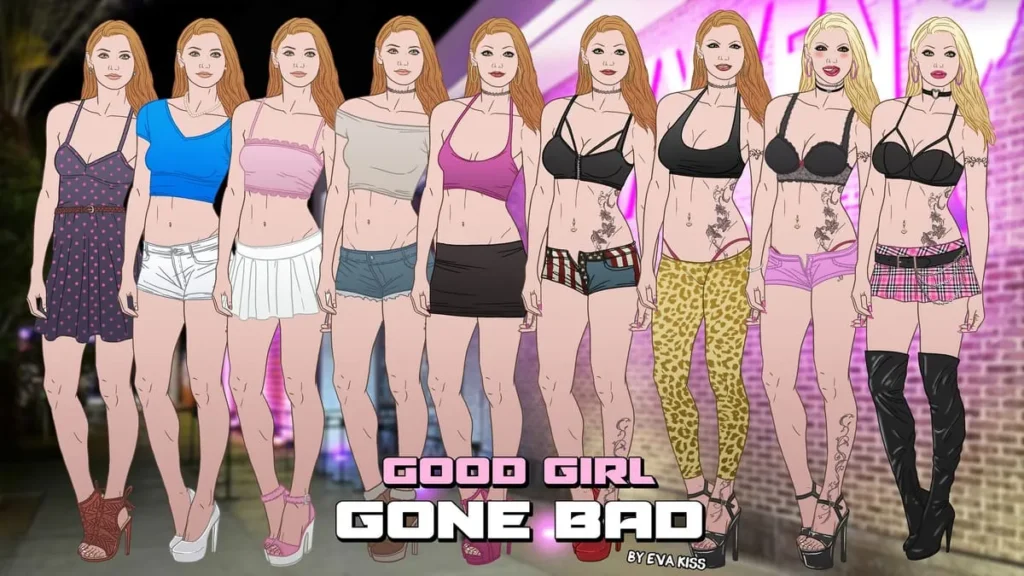




Good Girl Gone Bad review
Explore the branching narrative, character choices, and unique art style of this adult visual novel
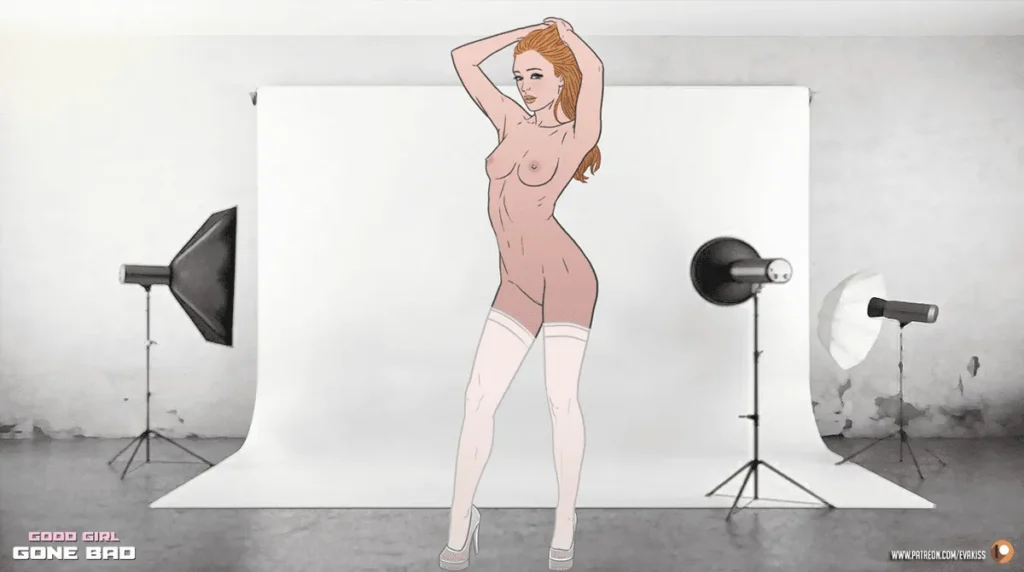
Good Girl Gone Bad is a narrative-driven visual novel that puts players in control of Ashley Graham’s destiny through meaningful choices and branching storylines. Created by Eva Kiss, this adult life simulation game combines hand-crafted, hand-drawn artwork with a unique art style that sets it apart from typical 3D models. The game explores themes of morality, temptation, and personal transformation as players navigate complex character relationships and decide whether Ashley remains on the righteous path or succumbs to darker temptations. With its focus on coherent storytelling, deep character development, and player agency, Good Girl Gone Bad offers an immersive experience for those seeking morally ambiguous narratives with significant consequences.
Understanding Good Girl Gone Bad: Game Overview and Core Mechanics
Ever found yourself clicking through a story, only to realize your choices were just an illusion? 🎭 You pick “be brave” or “be cautious,” but ten minutes later, the plot funnels everyone to the same explosive confrontation. It can feel a bit empty, right? I’ve been there, sighing at my screen, wishing my decisions carried real weight. That’s precisely why my first playthrough of Good Girl Gone Bad felt like a revelation. This isn’t just another visual novel; it’s a masterclass in player choice mechanics where every decision genuinely forks the road ahead.
Created by the talented Eva Kiss, this Good Girl Gone Bad game places you in the stylish shoes of Ashley Graham. She’s a young woman with a stable life, a steady boyfriend, and a future that looks… perfectly predictable. But beneath that polished surface simmer temptations, curiosities, and a world of experiences she’s never dared to explore. Your job isn’t to guide her down a single authored path, but to live in her moments of decision. Will she remain the reliable “good girl,” or will she indulge her desires and see where they lead? The brilliance is that the game refuses to judge either path as purely right or wrong. It simply presents the world and its opportunities, making this one of the most compelling adult life simulation experiences available.
What Makes Good Girl Gone Bad Stand Out in Visual Novel Gaming
So, what sets this game apart in a sea of digital stories? 🏆 It comes down to a fearless commitment to consequence. Many games promise a branching narrative game experience, but Good Girl Gone Bad delivers it with a complexity that is staggering. Writer and artist Eva Kiss built a world where your choices aren’t just remembered—they actively reshape Ashley’s relationships, personality, and available future.
Let me give you a personal example. In one early playthrough, I had Ashley flirt lightly with a barista. It was a small, seemingly inconsequential choice. Several hours later, that same character reappeared in a completely different social context, and the game remembered our previous interaction, opening up dialogue options that were permanently locked in another save file. This attention to detail creates a profoundly narrative-driven gameplay loop where you’re constantly thinking, “Did what I do earlier matter here?” The answer is almost always yes.
This depth transforms it from a passive story into a true adult life simulation. You’re not just watching Ashley’s life; you’re managing her relationships, her reputation, and her secret desires. The “life sim” aspect comes from how these elements interact. Choosing to spend time with one friend might alienate another. Pursuing a kink might close off a more “vanilla” romantic path. The game mirrors the messy, interconnected reality of adult life, where decisions in one area ripple out into all others. This creates a deeply personal experience; your Ashley will be uniquely yours, shaped by a thousand tiny decisions.
Furthermore, the game’s mature content is never gratuitous. 🔥 The kinky scenes and adult situations are woven directly into the branching narrative as natural outcomes of your choices. They serve as milestones on Ashley’s journey, whether that journey is one of exploration, corruption, rebellion, or even self-affirmation. This integration is key—it makes the visual novel gameplay feel cohesive and meaningful, rather than segmented into “story parts” and “adult parts.”
Gameplay Mechanics and Player Choice System
At its heart, the Good Girl Gone Bad game is an engine for experimentation. The core player choice mechanics are elegantly simple on the surface but create fantastically complex results. You’ll frequently be presented with dialogue and action choices that directly influence Ashley’s personality stats, her relationships with other characters, and the story’s trajectory.
The system works through a hidden but robust variable tracking system. Think of it as the game keeping a detailed diary on Ashley’s behalf:
* Relationship Scores: Every major character has a dynamic rating with Ashley, affected by your kindness, cruelty, loyalty, or betrayal.
* Personal Traits: Is Ashley becoming more Confident or Submissive? More Innocent or Corrupt? Your choices build these traits.
* Path Flags: Major decisions activate specific story flags that unlock or permanently block entire chapters of content.
Pro Tip: Don’t be afraid to save often and explore! The real fun in this narrative-driven gameplay is seeing how wildly different choices can lead to completely unique scenes and endings. There’s no single “correct” path.
This design philosophy makes replayability off the charts. 📈 In one playthrough, you might guide Ashley to embrace a dominant, entrepreneurial spirit, building a secret life of power and control. In the next, you could have her fall into a submissive relationship, exploring vulnerability. Or, you might try to balance it all, navigating her “good girl” public persona while secretly indulging her curiosities—a path fraught with its own risks of discovery and drama.
The visual novel gameplay loop is immersive precisely because of this agency. You’re not solving puzzles or jumping platforms; you’re engaging in the psychological puzzle of human desire and consequence. The gameplay is making choices and living with them. This turns every session into a compelling “what if” scenario. What if I stood up to that character? What if I confessed that secret? The game is built to answer those questions in tangible, often surprising ways.
Art Style and Visual Design Philosophy
If the writing is the game’s brain and the choice system is its heart, then the hand-drawn game art is its undeniable soul. ✨ In an era where many adult games rely on repetitive 3D models or generic anime styles, Good Girl Gone Bad makes a powerful statement with its unique visual identity.
Every character, background, and intimate scene is painstakingly crafted by Eva Kiss’s own hand. This results in a consistent, expressive, and deeply human aesthetic. Ashley’s expressions—a hesitant glance, a sly smile, a look of shock or pleasure—convey volumes beyond what any dialogue box could say. The art style feels personal, intimate, and perfectly matched to the story’s tone. It’s gritty and real when it needs to be, soft and sensual at other times, but always distinctly hers.
This artistic commitment does more than just look pretty; it supercharges the narrative-driven gameplay. Because the art is bespoke for every possible scene variation, you’re rewarded with unique visuals for your unique choices. Discover a secret rendezvous? You’ll see a custom-drawn scene for it. Choose a path of decadent corruption? Ashley’s wardrobe and even her posture in the artwork will gradually reflect that evolution. This visual feedback loop is incredibly satisfying and reinforces the impact of your decisions.
To truly grasp how this game innovates, let’s break down its features side-by-side with a more traditional visual novel approach.
| Feature | Good Girl Gone Bad | Traditional Visual Novel |
|---|---|---|
| Narrative Structure | Complex, organic web of branches where early choices radically alter mid and late-game content. | Often linear or with minor branches that merge back into a main storyline. |
| Art Style | Fully hand-drawn game art with unique assets for numerous scene variations. | Frequently uses reusable 3D model poses or limited 2D sprite sets with different expressions. |
| Player Agency | Deep player choice mechanics that affect personality stats, relationships, and story viability. | Choices often affect only immediate dialogue or lead to one of a few predetermined endings. |
| Gameplay Focus | True adult life simulation focusing on relationship management and personal evolution. | Primarily story delivery with optional romantic subplots or minigames. |
| Replay Value | Extremely High. Dozens of hours of unique content locked behind different moral and relational paths. | Moderate. Often incentivizes replay only to see a different romance option or ending slide. |
This comparison isn’t about saying one style is universally better, but to highlight what makes the Good Girl Gone Bad game a distinctive gem. 🍀 It’s for players who crave ownership over a story, who want to see their specific fantasies and curiosities reflected not just in text, but in the very visuals of the world. The hand-drawn game art is a labor of love that pays dividends in immersion, making every version of Ashley’s journey feel personal, authentic, and visually compelling.
Ultimately, Good Girl Gone Bad is more than a game; it’s a narrative playground for adults. It respects your intelligence and your agency, offering a story where temptation, morality, and desire are paints, and you hold the brush. Whether you’re a veteran of visual novel gameplay or a newcomer curious about branching narrative game design, this title offers a profound, engaging, and unforgettable experience. It proves that with strong writing, fearless design, and artistic passion, a game can do more than tell a story—it can let you truly live one, in all its messy, beautiful, and thrilling complexity.
Good Girl Gone Bad represents a distinctive entry in the visual novel genre, combining player agency with compelling narrative design. The game’s strength lies in its commitment to meaningful choices that genuinely impact the story, allowing players to shape Ashley Graham’s journey based on their decisions. With its unique hand-drawn art style, complex character development, and exploration of morally ambiguous themes, the game appeals to players seeking immersive, choice-driven experiences. Whether you’re interested in narrative-heavy games, visual novels with mature content, or interactive stories where your decisions matter, Good Girl Gone Bad offers a substantial experience with significant replay value. For those looking to explore a game that challenges traditional storytelling conventions and rewards player engagement with branching narratives, this title deserves consideration.