Desert Stalker
Play Desert Stalker
Desert Stalker Screenshots


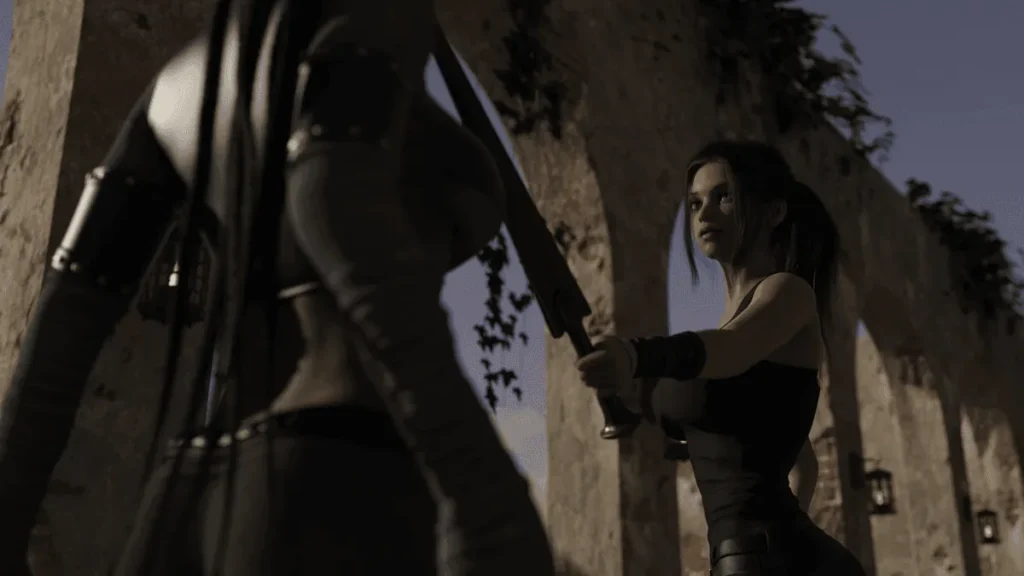

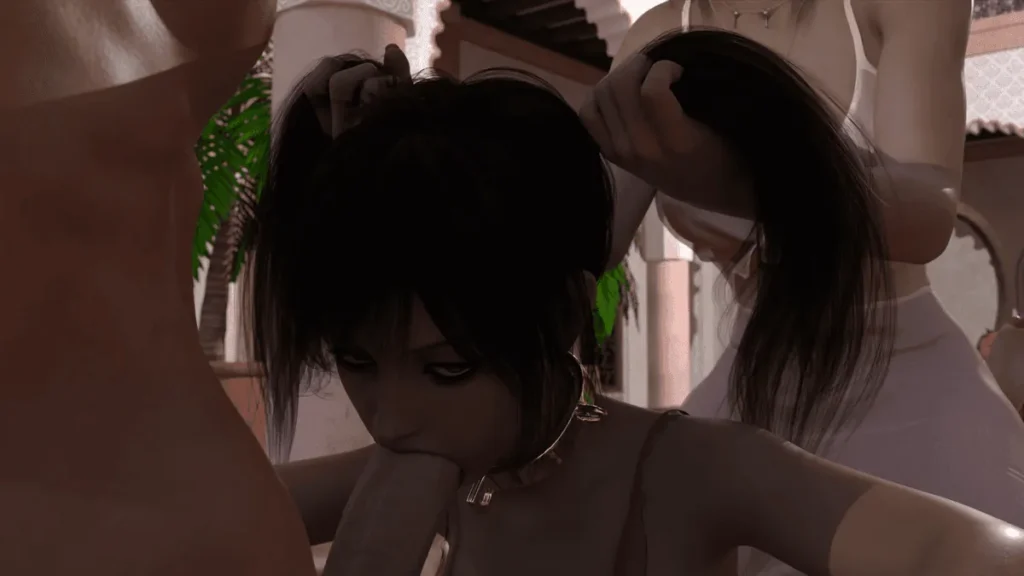
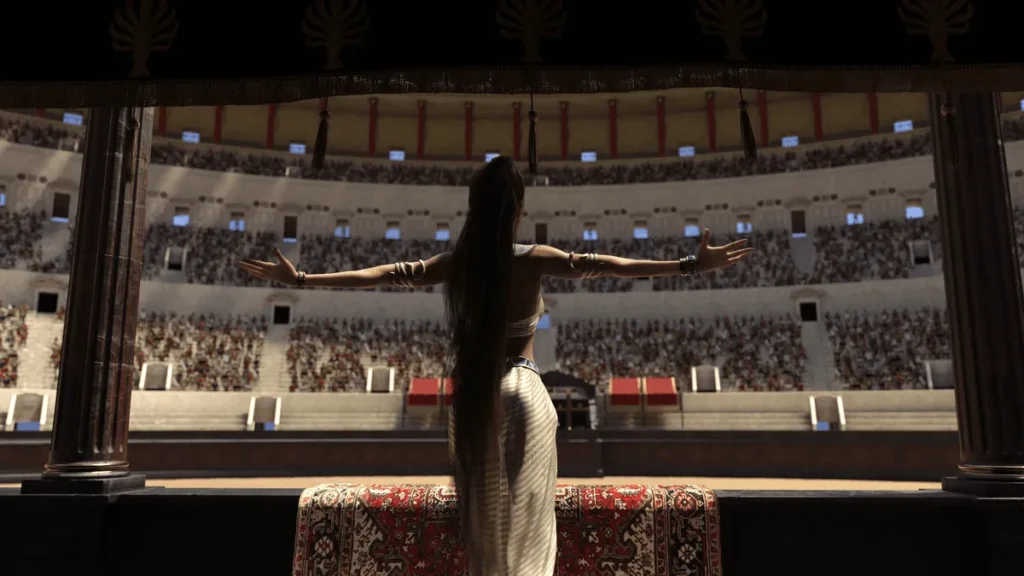
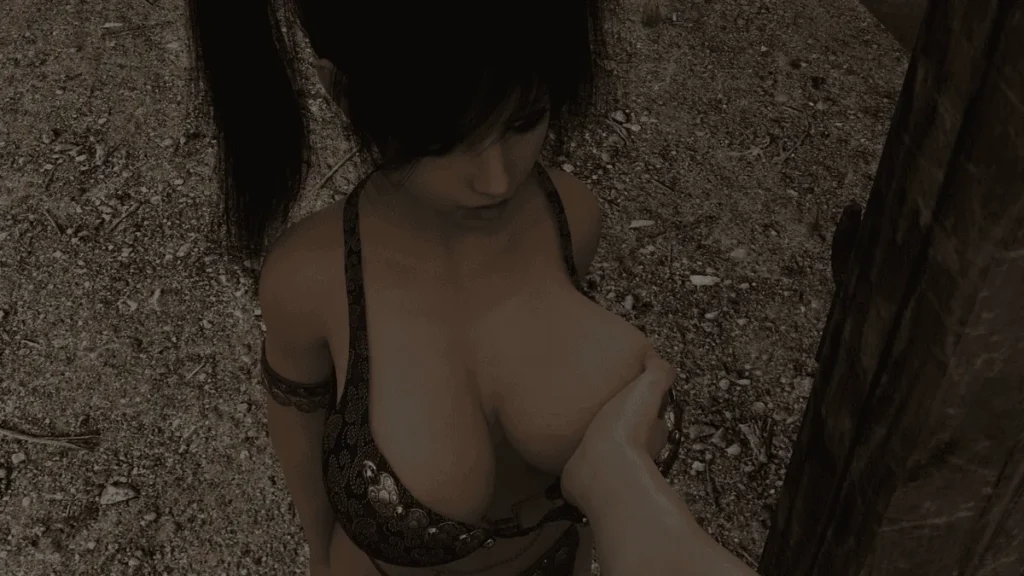
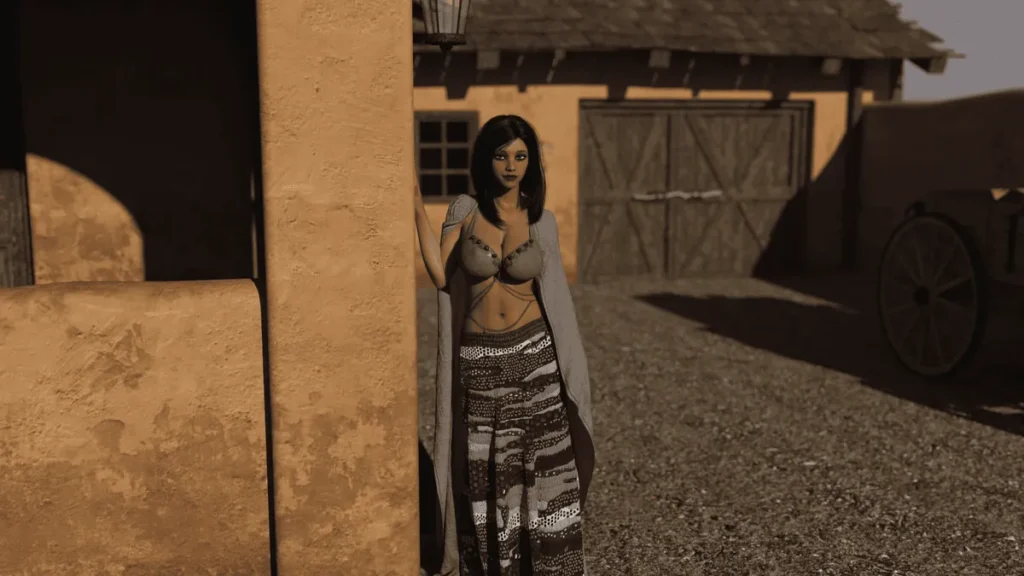

Desert Stalker review
Explore the post-apocalyptic world, master choices, and shape your journey in this adult visual novel
Desert Stalker stands out as a sophisticated adult visual novel that blends immersive storytelling with meaningful player agency. Set in a post-apocalyptic Egypt, you take on the role of an antiquity scavenger navigating a richly developed world filled with distinct factions, complex characters, and high-stakes decisions. Unlike typical games in its genre, Desert Stalker offers a compelling narrative experience where your choices genuinely shape relationships, faction dynamics, and the overall trajectory of the story. Whether you’re drawn to the intricate plot, character development, or the freedom to play at your own pace, this guide explores what makes Desert Stalker a standout title in adult gaming.
Understanding Desert Stalker: Core Gameplay Mechanics & World Building
So, you’ve downloaded Desert Stalker, expecting maybe a linear story with a few choices, and suddenly you’re looking at a map of a sprawling, sun-bleached wasteland with dozens of locations to click. Your first thought might be, “Wait, is this an RPG or a visual novel?” 🤔 That’s the exact moment you realize this isn’t your typical adult visual novel. You’re not just reading a story; you’re stepping into the boots of the Stalker, an antiquity scavenger trying to provide for his family, and the world is yours to navigate—for better or worse.
This unique blend is what makes Desert Stalker gameplay mechanics so compelling. It takes the deep, character-driven narrative we love from visual novels and grafts it onto a liberating AVN sandbox game design. You have genuine agency. Do you follow the main thread of a mysterious signal, hunt for precious relics to trade, or spend time strengthening bonds with the characters around your camp? The choice, quite literally, is on the map. This guide will break down exactly how this world works, from the factions vying for power to the delicate balance between freedom and a gripping story.
### What Makes Desert Stalker Different From Other Adult Visual Novels
Let’s be honest: the adult visual novel space is packed. Many follow a familiar formula—a linear path with branching choices that lead to different scenes or endings. It’s a great format! But playing Desert Stalker feels like taking a deep breath after being in a cramped room. The door swings open, and you’re presented with a vast, open desert. 🏜️
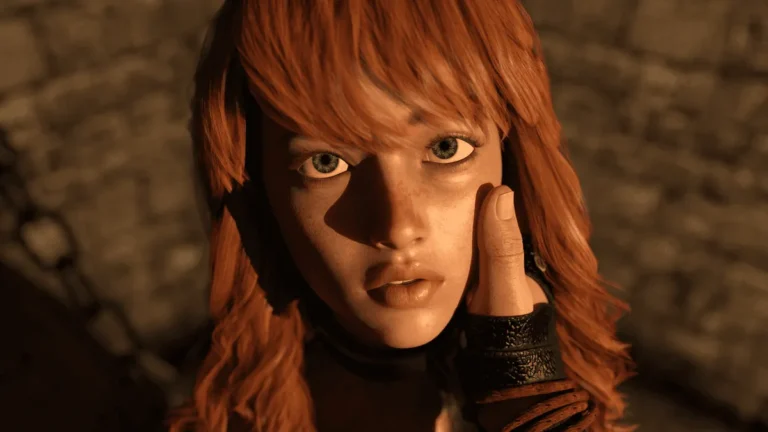
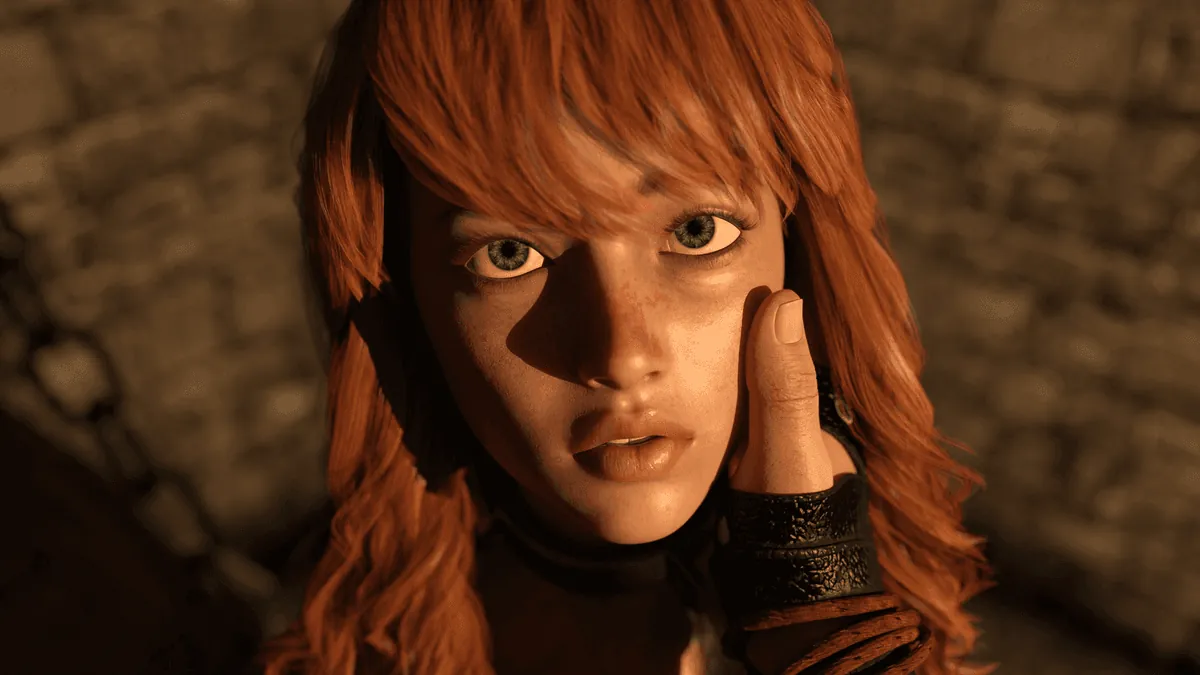
The key difference isn’t just the adult visual novel free roam element; it’s how it’s implemented. Many sandbox games fall into the trap of “grind.” You know the type: click the same spot fifty times to earn “energy” or currency to unlock the next story bit. Desert Stalker ruthlessly eliminates this. Every location you visit, every interaction you choose, drives the narrative forward. There’s no filler. If you’re exploring a ruin, it’s to find a specific item that unlocks a new story beat or character scene. If you’re talking to someone, it reveals world-building or personal history that matters. The polish is immediately apparent, from its clean interface to its stunning, cinematic-quality renders made with DAZ3D.
Here are the key features that set it apart:
- Meaningful Open World: The free-roam map isn’t just for show. It’s the primary vessel for Desert Stalker story progression. Your exploration directly uncovers the plot.
- Zero Grind, All Story: The design philosophy prioritizes narrative advancement over repetitive tasks. Your time is always rewarded with plot development, character depth, or world-building.
- Integrated Systems: The Desert Stalker faction system, your resource management (like water and relics), and your relationship stats aren’t separate mini-games. They are woven directly into the core choice-based narrative game experience.
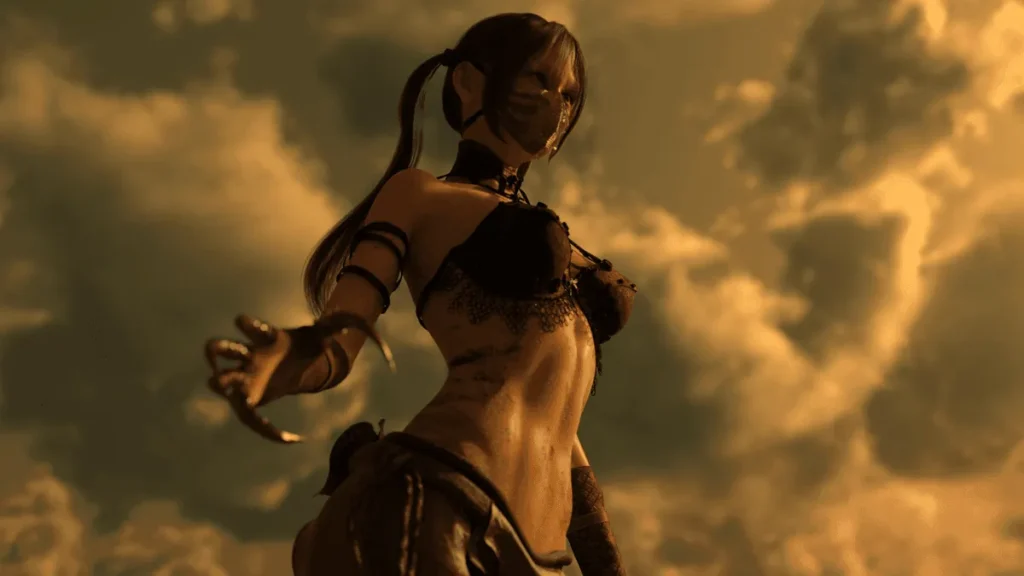
- Atmospheric Mastery: The game doesn’t just tell you it’s a post-apocalyptic Egypt setting; it makes you feel it. The lighting, the dusty palette, the sound design, and the haunting music create an immersion that’s rare in the genre.
In short, Desert Stalker respects your time and intelligence. It gives you the tools and the freedom to craft your own journey within a meticulously crafted world, making it a standout title that pushes the boundaries of what an adult visual novel can be.
### The Post-Apocalyptic Setting and Faction System
Forget generic wastelands. The post-apocalyptic Egypt setting is a character in itself. 🐫 The game brilliantly leverages the iconic imagery of ancient Pharaohs, colossal ruins, and endless deserts, now scarred by a cataclysmic event known as the Great Destruction. This isn’t just aesthetic; it defines the entire economy and culture of the surviving world. As the Stalker, you’re not just a scavenger—you’re an “antiquity” scavenger. Your livelihood depends on plundering the old world’s tech and artifacts from tombs and bunkers, selling them to the powerful enclave of Zeta City. This immediate grounding in the setting makes every expedition feel significant and dangerous.
The danger isn’t just environmental. The desert is a chessboard, and the major players are the factions. Understanding the Desert Stalker faction system is crucial to surviving and shaping your story. Your interactions with each group open or close narrative paths, change how characters perceive you, and alter the political landscape of the wasteland.
| Faction Name | Core Objectives & Description | Player Interaction Type |
|---|---|---|
| Zeta City | The last bastion of advanced technology and relative order. They seek to control resources, knowledge, and maintain their supremacy through a blend of innovation and authoritarian control. They are the primary market for your scavenged goods. | Transactional, Narrative-Driven. Your main quests often involve dealing with them, and your standing can affect trade prices and story access. |
| The Mutants | Beings warped by the aftermath of the Great Destruction. They are often hostile but are not a monolithic force. Some seek mere survival, while others may harbor intelligence and agendas born of their transformation. | Primarily Hostile/Obstacle, with potential for mysterious story elements. They are a constant physical threat in the wastes. |
| The Raiders | Lawless bands of marauders who prey on the weak. They represent the brutal, chaotic side of the new world, living by strength and cruelty alone. | Hostile, Environmental Hazard. They are often encountered as direct antagonists in exploration and combat scenarios. |
| The Decayed | The most enigmatic and terrifying faction. Seemingly mindless, zombified beings that roam certain areas. Their origin is a deep mystery tied to the core lore of the apocalypse. | Supernatural Threat, Atmospheric. Encounters with them are less about negotiation and more about survival and uncovering chilling lore. |
Navigating this web of alliances and threats is where the Desert Stalker gameplay mechanics truly shine. A quest for Zeta City might bring you into conflict with Raiders guarding a site. Helping a mutant in a unique side story could later provide an unexpected advantage. The game masterfully uses these factions to create a world that feels alive and reactive, where your choices carry weight beyond immediate consequences.
### Free-Roam Gameplay vs. Linear Story Progression
This is the heart of the Desert Stalker experience: the seamless marriage of open exploration and a directed narrative. It answers the question, “What if a visual novel had the exploratory soul of a classic point-and-click adventure?” 🎮
The adult visual novel free roam system is your gateway to everything. From your home camp, you open the map and see a sector of the desert filled with icons. Some are always there (key locations like Zeta City or your home), while others appear as you unlock new quests or times of day. You click where you want to go, and you’re there. It’s that simple. This system empowers you to pursue what interests you most at your own pace. Maybe today you feel like progressing the ominous main plot about the mysterious “Signal.” Tomorrow, you might just want to check in on your family at camp and see if a new, intimate character scene has unlocked.
But don’t mistake freedom for a lack of direction. The Desert Stalker story progression is always humming in the background. The game cleverly structures its quests:
- Main Quests: These are the spine of the narrative, often involving high stakes, the major factions, and the central mysteries of the world. They push the overarching plot forward and typically have prerequisites or are gated by story events, ensuring a cohesive narrative flow.
- Side Quests & Character Events: This is where the AVN sandbox game design truly flourishes. These are discovered through exploration or by building relationships. They focus on individual characters, personal stories, and world-building. Completing them doesn’t just give “rewards”; it deepens your connection to the world, unlocks new permanent locations on the map, and can subtly influence options in main quests.
The genius is that there’s no artificial barrier between the two. You organically transition from a tense, plot-heavy main quest in a forgotten bunker to a quiet, character-driven moment back at camp. This choice-based narrative game philosophy means your journey is uniquely yours. One player might prioritize building a harem and securing resources, experiencing a story of power and luxury. Another might focus solely on the main mystery and their core family, crafting a tale of desperate survival and loyalty. The free-roam sandbox is the canvas, and your choices are the brush.
Ultimately, Desert Stalker’s core mechanics build a breathtakingly immersive loop. You explore the hauntingly beautiful post-apocalyptic Egypt setting to scavenge resources and uncover quests. You manage your relationships and reputation within a complex Desert Stalker faction system. And you do it all through an elegant adult visual novel free roam interface that puts you in total control. It proves that a deep, adult narrative and empowering gameplay aren’t just compatible—they can elevate each other to create something unforgettable. Your stalker is waiting; the desert is calling. What story will you carve into its sands? 🌅
Desert Stalker represents a significant achievement in adult visual novel design by combining compelling storytelling, meaningful player agency, and technical excellence. The game’s post-apocalyptic setting, complex faction system, and character-driven narratives create an experience that extends far beyond its adult content. Players consistently praise the game for its immersive world-building, high-quality visuals, and the genuine impact of their choices on the story. Whether you’re interested in exploring faction conflicts, developing relationships with diverse characters, or simply experiencing a well-crafted narrative in a unique setting, Desert Stalker offers substantial depth and replayability. The game’s commitment to player customization through content filters and the free-roam system ensures that each player can shape their experience according to their preferences. For those seeking an adult visual novel that prioritizes story quality and player choice alongside its mature content, Desert Stalker stands as a compelling option worth exploring.