Deathable
Play Deathable
Deathable Screenshots





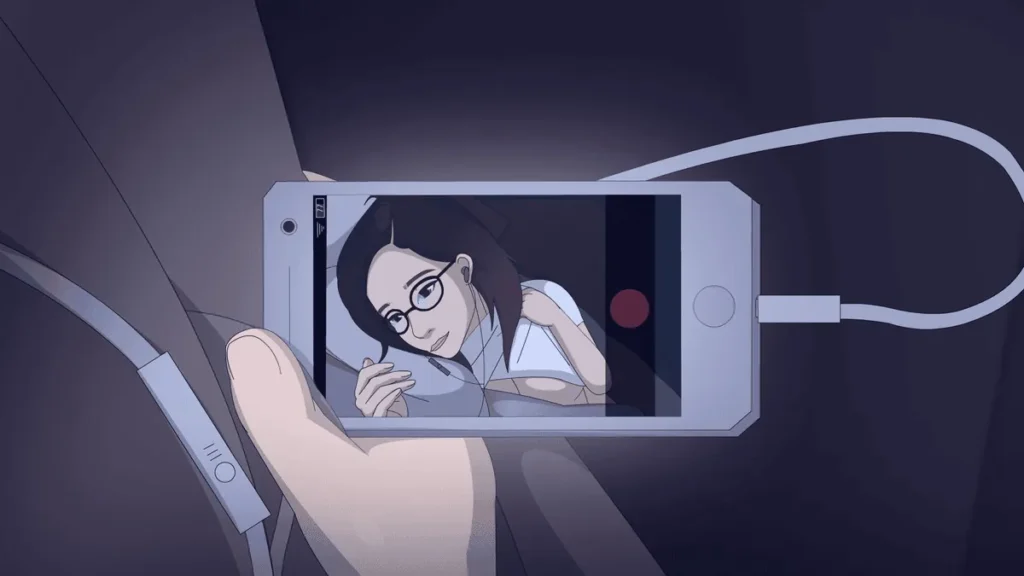
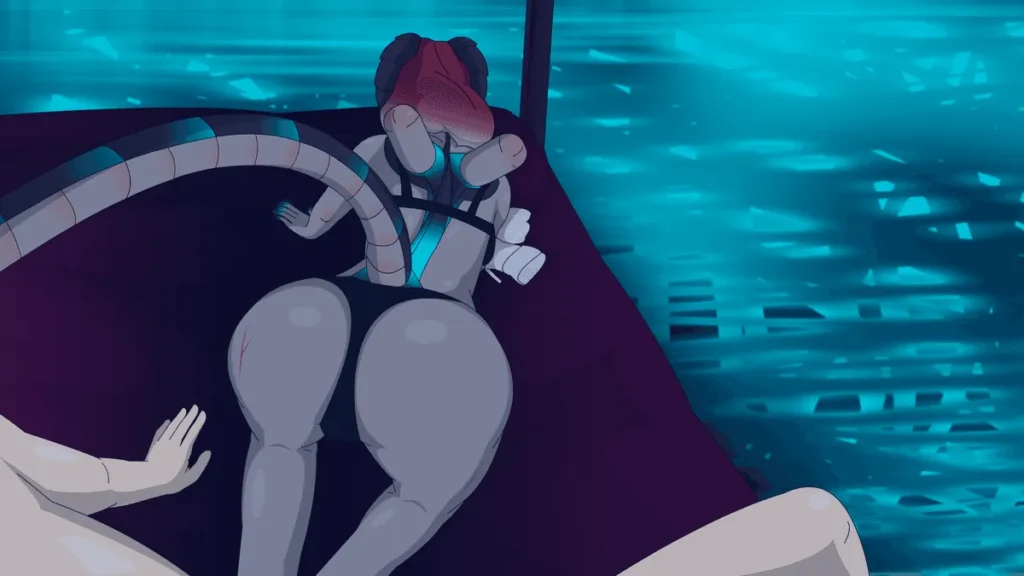
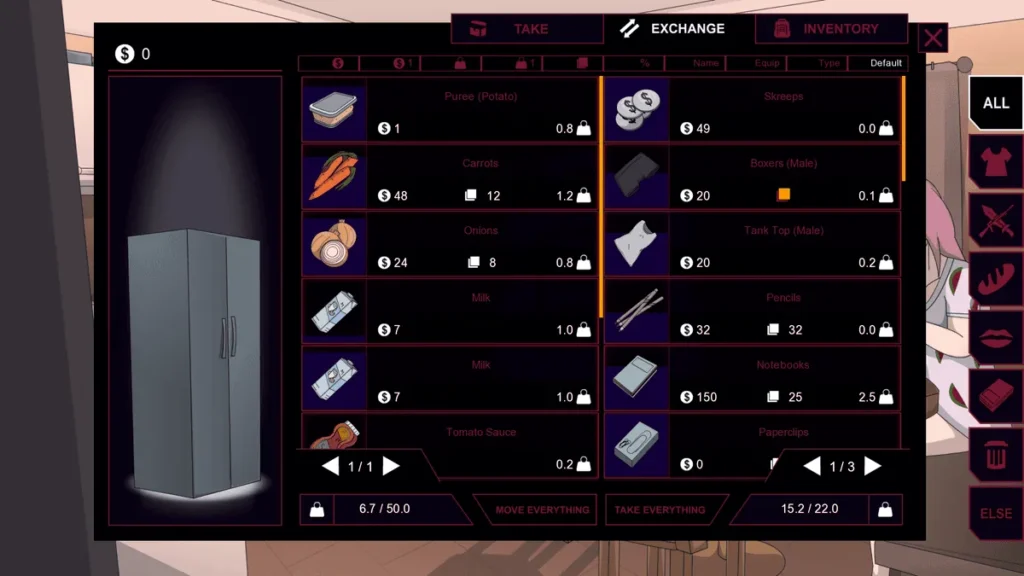

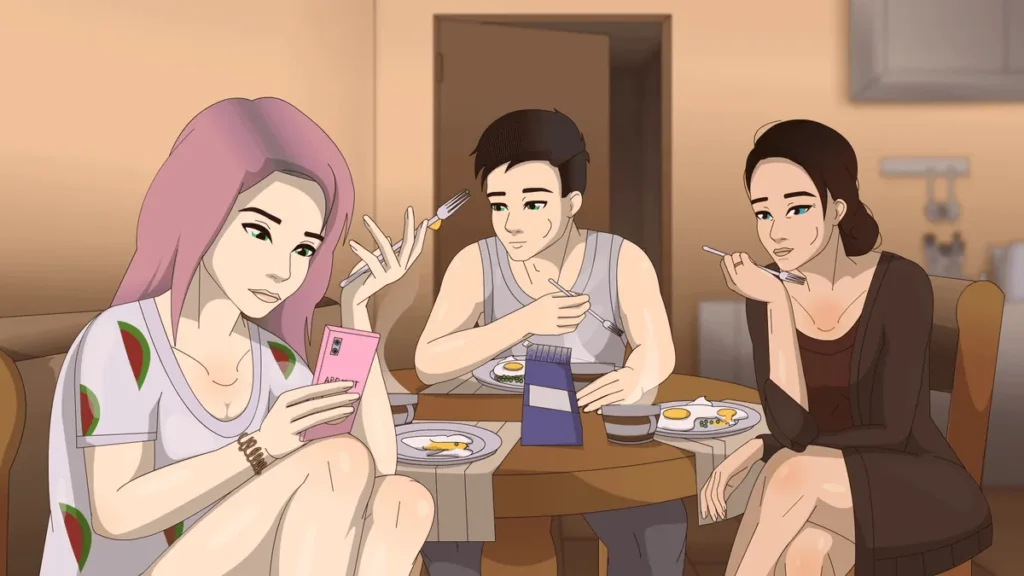
Deathable review
Explore Choices, Companions, and Thrilling Twists in This Adult Game
Imagine waking up in a shattered world overrun by monstrous horrors from the earth’s depths—welcome to Deathable, the gripping visual novel that’s got me hooked for hours. As a lone survivor on the city’s edge, your choices shape everything when a mysterious paranormal guest crashes into your life. Will you build an alliance or face tragic fallout? This 18+ game blends intense decision-making with steamy encounters and survival stakes. I’ve replayed paths obsessively, discovering how dialogues twist fates. Dive in with me to uncover Deathable’s secrets, from plot hooks to must-know tips for the best outcomes.
What Makes Deathable’s Post-Apocalypse World So Addictive?
I was scrolling through itch.io way too late one night, my brain fried from a day of work, looking for something—anything—to grab my attention. Another post-apocalyptic game? Probably clunky and grim for the sake of being grim. Then I clicked on Deathable. A few hours later, my coffee was cold, and I was utterly absorbed. What I thought was a simple Deathable visual novel turned out to be a masterclass in tension, character, and consequence. It wasn’t just about surviving; it was about figuring out how to live in a broken world, and that question is phenomenally addictive.
So, what is Deathable game really about? It drops you into a brilliantly realized Deathable post-apocalypse where monstrous creatures have overrun everything. You play as someone pushed into extreme isolation, your only goal being daily survival. The genius hook? This solitude is shattered by the arrival of a mysterious, paranormal companion. This isn’t just a meet-cute; it’s the catalyst for everything. The game becomes a tense, intimate experiment in trust, dependency, and shared trauma. The world outside is terrifying, but the dynamics inside your fragile sanctuary are where the true drama unfolds. Let’s break down exactly why this world sinks its teeth into you and won’t let go.
How the Plot Hooks You from the First Choice
The Deathable plot summary sounds straightforward: survive monsters, manage a relationship. But the devil is in the delightful, agonizing details. From your very first dialogue options, you feel the weight of the narrative. This isn’t a world where you just click through text; you’re actively shaping a very delicate, very human connection under immense pressure.
The game excels at making you care about the small moments. Do you share your scarce food openly or hide a little for yourself? 🍞 Do you press your companion about their mysterious past, or respect their silence? These aren’t marked as BIG RED CHOICES. They feel like natural, fraught conversations, which makes their impact so much greater. The story brilliantly contrasts the characters’ former lives with their current nightmare, highlighting what they’ve lost and what they’re desperately trying to rebuild—or replace.
A huge part of the tension comes from themes of fidelity and trust, woven subtly into the narrative. Your choices constantly test the loyalty between you and your companion. Will the strain of this horrific world pull you together or push you toward seeking comfort (or control) elsewhere? The game doesn’t judge; it simply presents the crumbling societal norms and lets you navigate the emotional wreckage. This mature approach to relationships in a crisis is a core part of why the Deathable post-apocalypse feels so immersive and raw. You’re not just fighting monsters; you’re fighting despair, loneliness, and the very human capacity for betrayal.
My Practical Advice: Start paying attention to tone as much as content. An offer said with warmth builds trust; the same offer said with suspicion or pity can start a rift. The game remembers your attitude, not just your decisions.
Surviving Monsters: Key Decisions That Matter
Deathable monsters survival is a constant, low-grade hum of anxiety in the background of every personal scene. The threat isn’t always on-screen, but it informs every resource check, every frantic board-up of the windows, and every conversation about whether to stay or risk a supply run. This external pressure cooker is what makes the internal drama so potent.
Your choices here are starkly practical, yet deeply narrative. Venturing out for medicine might save your companion’s infection, but will they see it as a brave act of care or a reckless abandonment that leaves them vulnerable? 🏚️ Choosing to fortify your shelter instead of spending time talking might keep the monsters out, but at the cost of letting emotional walls go up inside. The game masterfully ties physical survival directly to the health of your relationship.
To show just how pivotal these moments are, let’s look at some examples of the Deathable choices impact in action.
| Decision Point | Path of Trust & Unity (Good Outcome) | Path of Fear & Division (Bad Outcome) |
|---|---|---|
| Discovering a scarce cache of canned food. | Immediately share the find and plan meals together. Boosts companion’s morale and strengthens your bond as a team. | Hoard the food secretly. When discovered, it breeds deep-seated resentment and shatters trust, making future cooperation harder. |
| Your companion wants to contribute by standing watch at night. | Agree, but insist on taking shifts so you both rest. Empowers them, shares the burden, and improves overall security. | Flatly refuse, citing their weakness. Makes them feel useless and trapped, increasing their emotional distance and potential for rash actions. |
| A monstrous noise is heard outside the safehouse. | Calmly discuss a plan, check defenses together. Creates a sense of shared purpose and controlled fear. | Panic, bark orders, or ignore their input. Fuels anxiety, can lead to arguments, and might cause a critical mistake under pressure. |
| Finding a memento from your companion’s past life. | Handle it gently and offer it to them, giving space for them to share if they wish. Can unlock deep, relationship-defining conversations and intimacy. | Pry aggressively for information or dismiss the item. Forces emotional shutdown, treating the moment as an interrogation rather than a connection. |
Why Companion Dynamics Drive Replay Value
This is the heart of the Deathable experience. If the monsters provide the fear, and the choices provide the stakes, then the Deathable companion dynamics are the irresistible, beating heart you keep coming back to protect (or, fascinatingly, to break). This relationship is the ultimate replay driver.
Your companion isn’t a static character with a fixed set of responses. They are a reactive, emotional being whose personality and feelings toward you evolve based on a hundred tiny interactions. 🫂 Did you comfort them after a nightmare three days ago? They might be more willing to open up about a painful memory today. Did you snap at them over spilled water? That cold shoulder during the next crisis isn’t just random; it’s earned. This creates an unbelievable sense of authenticity.
Exploring these dynamics is where Deathable truly shines as an adult visual novel. You’re not just unlocking romantic scenes; you’re navigating a complex web of gratitude, dependence, fear, and genuine affection. Can a relationship born purely from desperation become something real? Can you maintain your own humanity while making brutally pragmatic choices for survival? Each playthrough lets you test a different hypothesis: what if I’m consistently nurturing? What if I’m pragmatically cold? What if I’m jealous and possessive?
The answers lead to wildly different endings, from bittersweet and tragic to hard-won and hopeful. This variability makes the Deathable post-apocalypse feel alive. The world doesn’t change, but your experience of it—through the lens of this one crucial relationship—is transformed every time. You replay not just to see a different ending screen, but to truly understand the person sharing your shelter, and in doing so, to understand another facet of the game’s rich, grim world.
In the end, Deathable is the perfect storm for fans of narrative tension. It combines the constant threat of a survival horror with the intimate, choice-driven drama of a top-tier visual novel. It’s a game that stays with you, making you wonder about the road not taken with your companion. That “what if?” feeling is the hallmark of a truly addictive, replayable world, and this game has it in spades.
FAQ: Your Quick Deathable Plot Questions Answered
Q: Does Deathable have multiple endings?
A: Absolutely, and they vary significantly. Your choices, especially in key moments of trust and conflict with your companion, directly lock you onto paths leading to different conclusions about your fate and the relationship.
Q: How long is a typical playthrough?
A: For a single focused path, expect 2-4 hours. However, the real value is in replaying to explore different dynamics, which can easily multiply your total time with the game.
Q: Is the game all reading, or is there gameplay?
A: It’s a choice-driven visual novel at its core, so reading and making decisions is the primary interaction. The “gameplay” is in managing the emotional and practical state of your sanctuary through your dialogue and key choices.
Q: How harsh is the post-apocalyptic survival element?
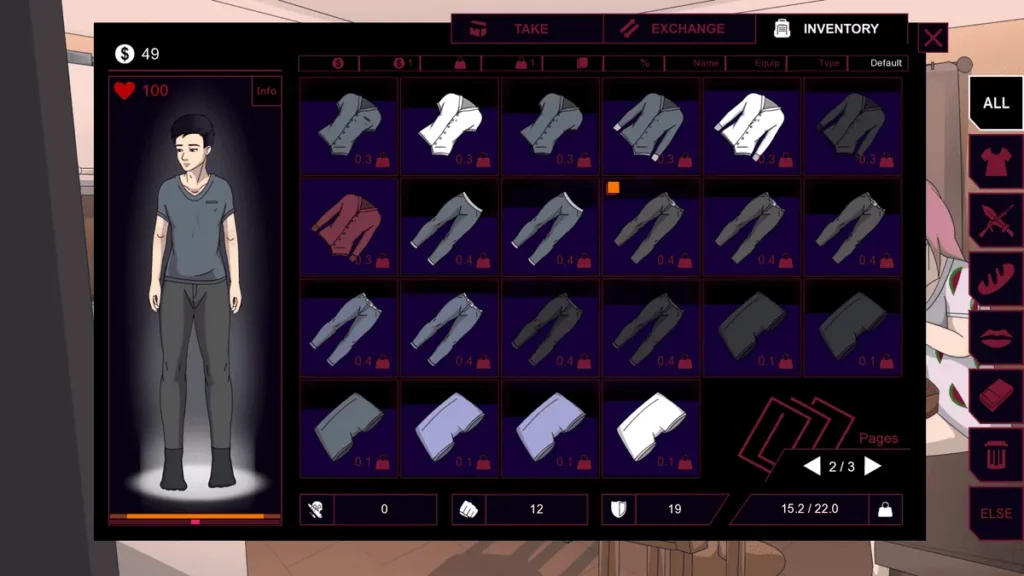
A: It’s always present as narrative pressure, but you won’t be managing complex inventory grids. The survival tension comes from the consequences of your story choices—like whether you chose to scavenge medicine or strengthen your bond at a critical time.
Deathable pulls you into a raw post-apocalyptic tale where every choice echoes through survival and bonds with your enigmatic companion. From dodging monstrous threats to navigating intimate tensions, it’s a visual novel that rewards bold decisions and replays. My own dives into its paths revealed endless thrills—don’t miss crafting your story. Grab the latest version, experiment with outcomes, and share your wildest endings in the comments. Ready to face the end times? Start playing Deathable today and see if you can cheat fate.