Crimson High
Play Crimson High
Crimson High Screenshots
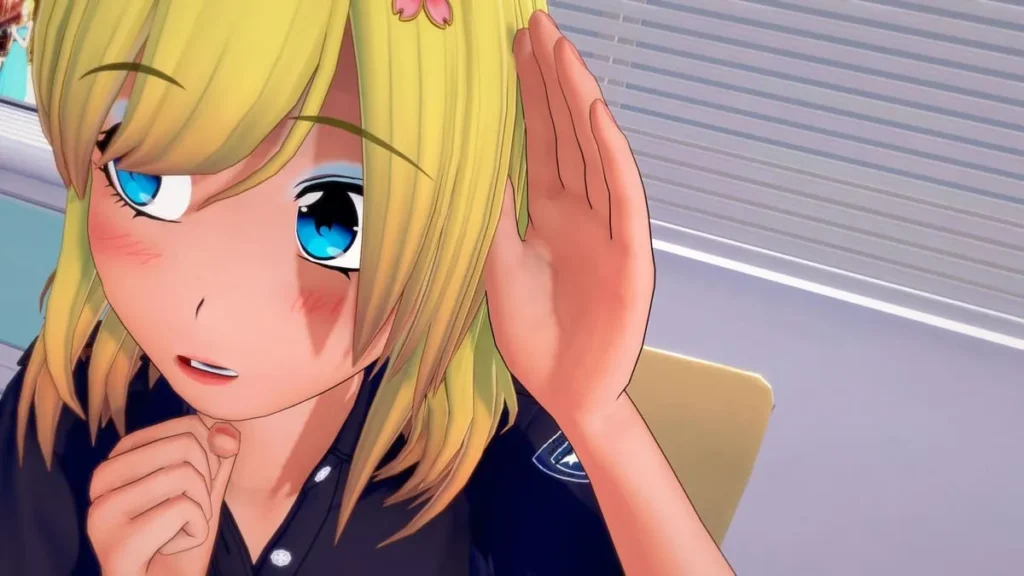

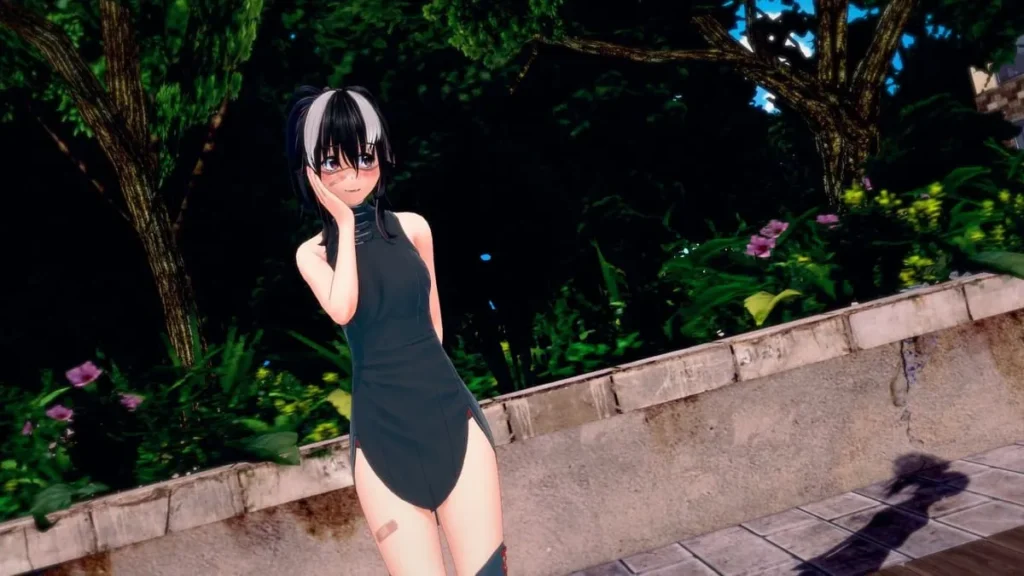
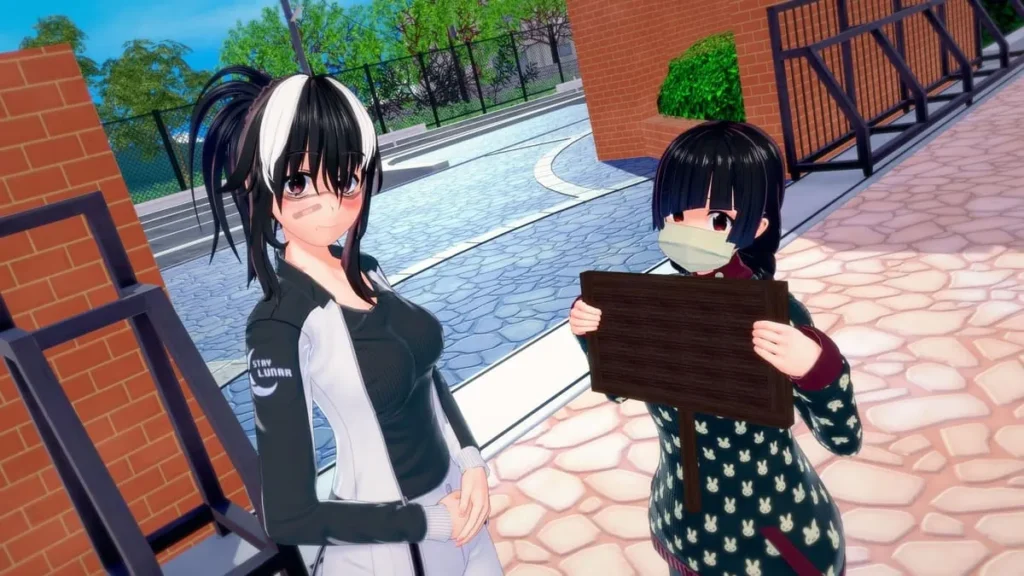
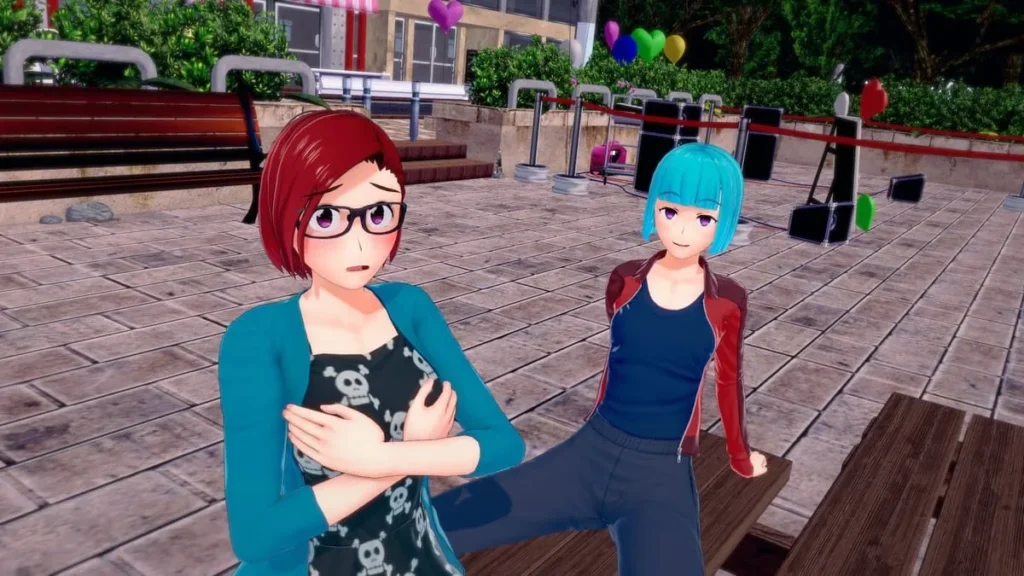
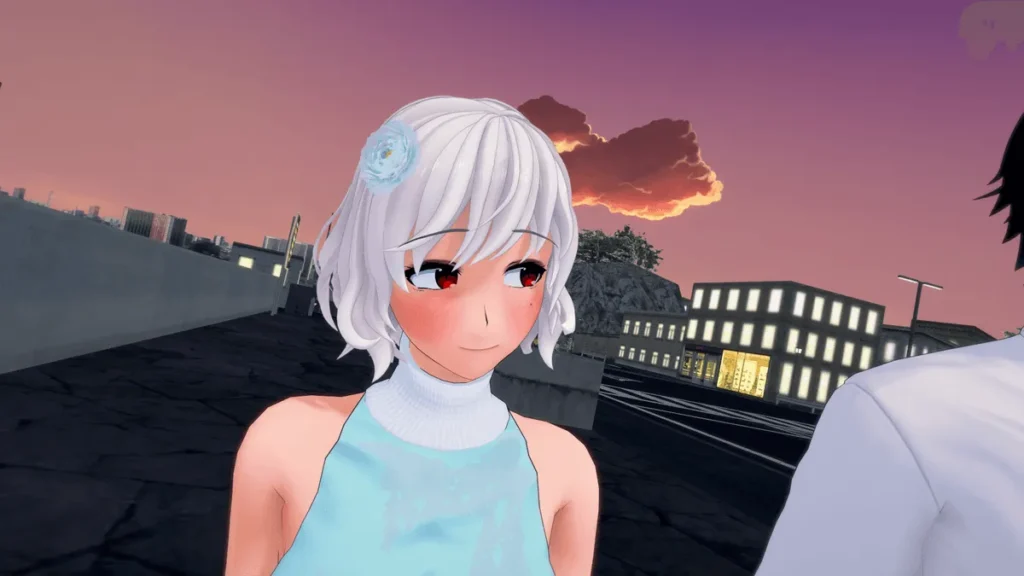
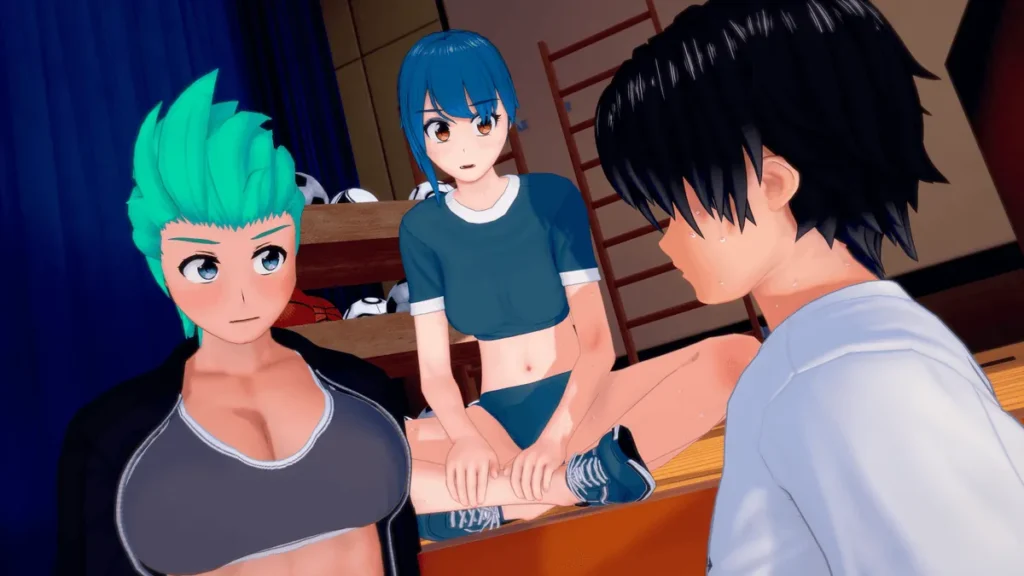
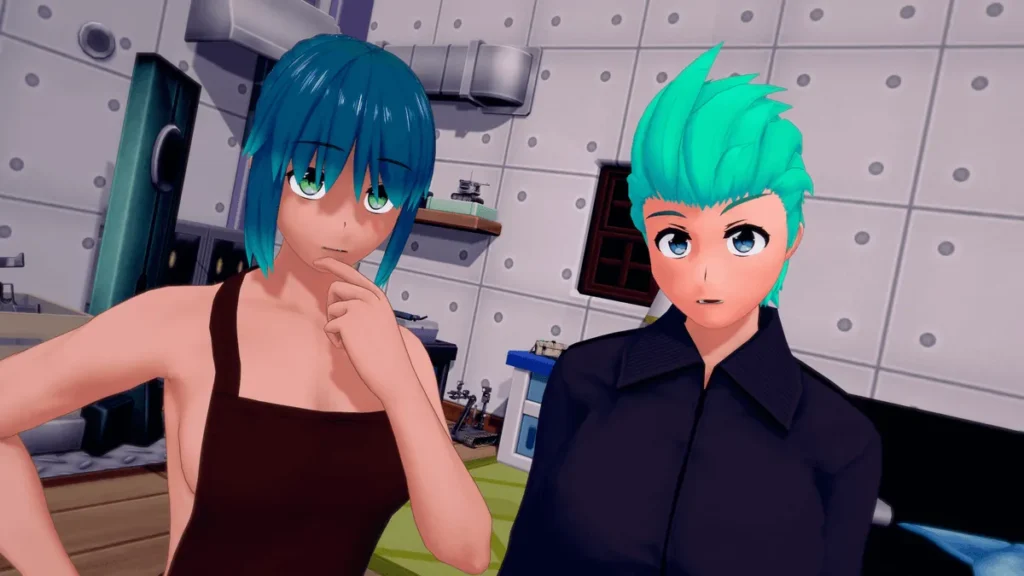
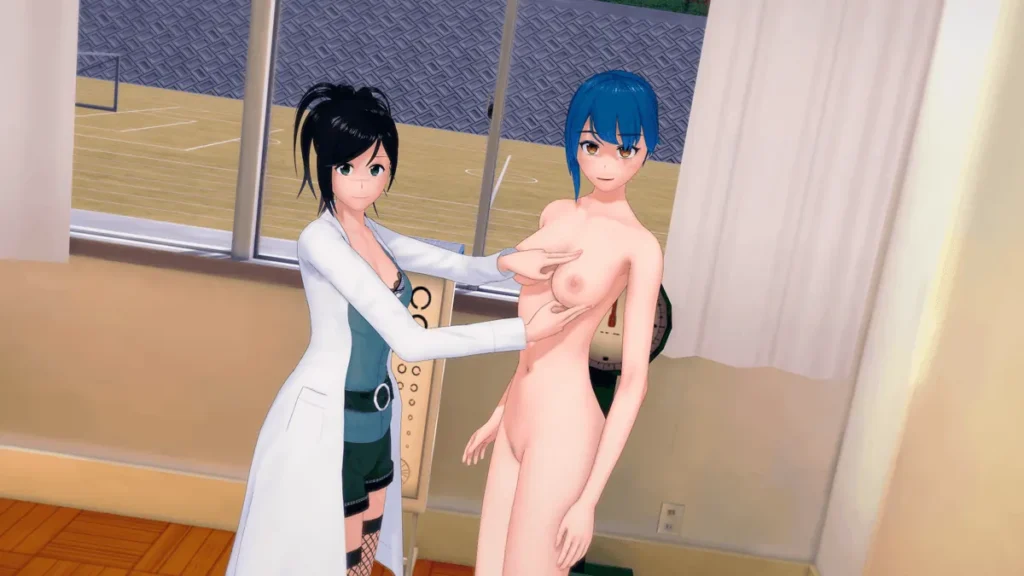
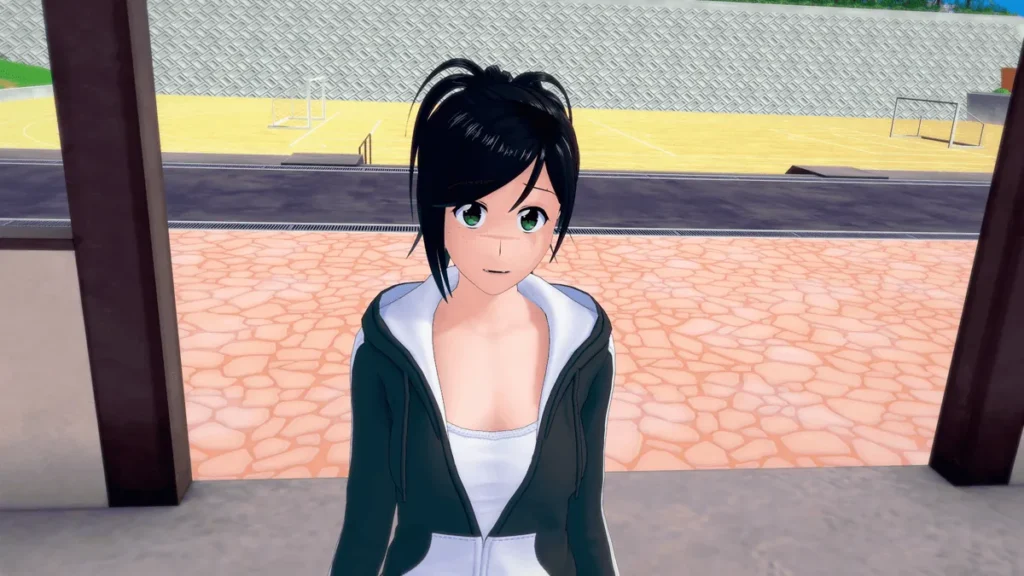
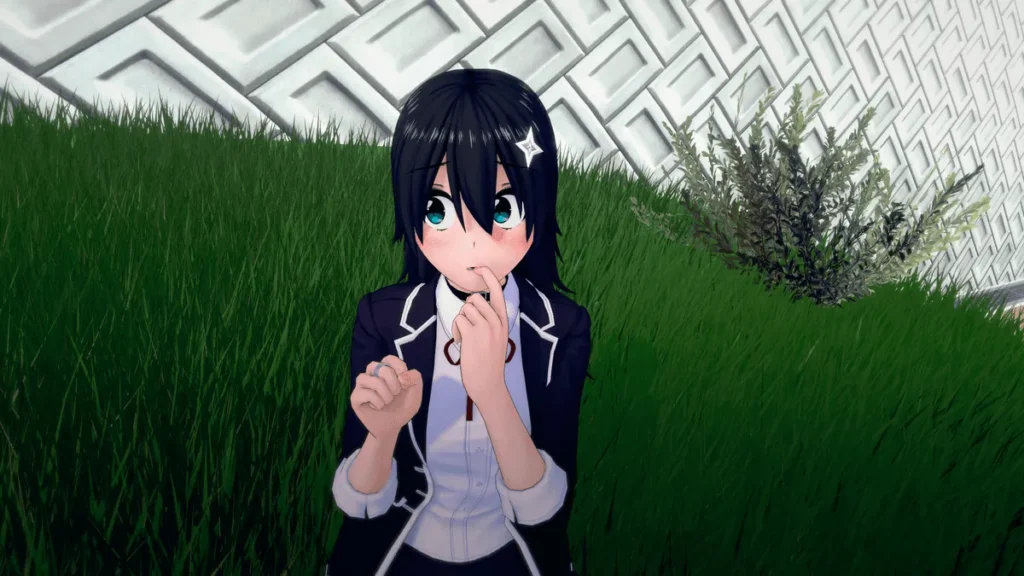
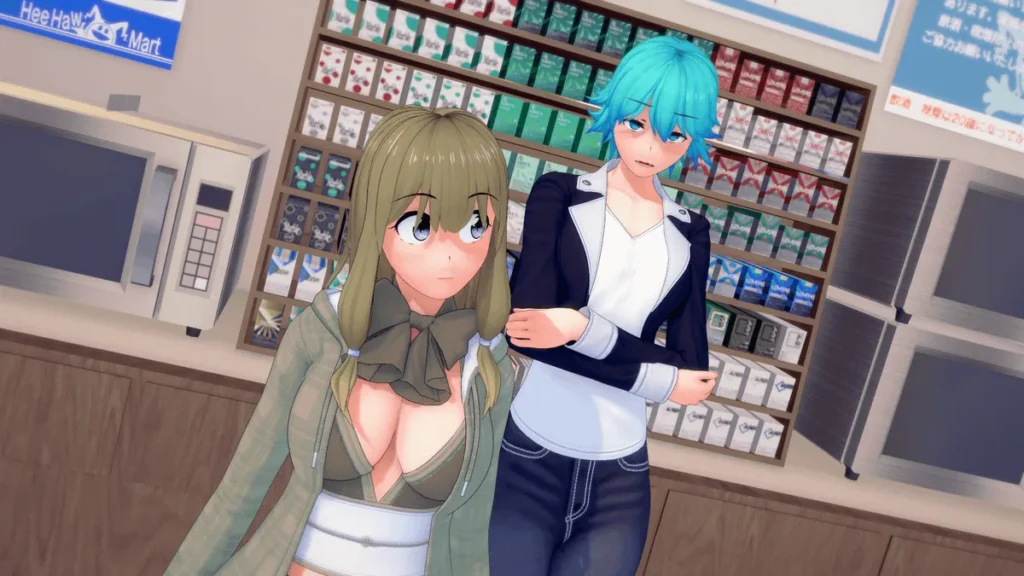
Crimson High review
Everything you need to know about this visual novel experience
Crimson High is an adult visual novel that has garnered significant attention within the AVN community for its narrative depth and character development. This guide explores the game’s story progression, character dynamics, and what makes it stand out in the visual novel genre. Whether you’re a seasoned player or considering diving into this title, understanding the game’s structure, pacing, and character arcs will enhance your experience. We’ll break down the essential elements that define Crimson High and provide insights into what players can expect as they progress through the chapters.
Understanding Crimson High’s Story and Character Development
Diving into Crimson High is like stepping into a beautifully illustrated, emotionally charged slice of life. But it’s more than just a pretty face—it’s a narrative labyrinth where your choices genuinely matter. 🏫✨ If you’ve ever felt lost in a visual novel, wondering how the Crimson High story progression works or how deep the visual novel character development goes, you’re in the right place. Let’s pull back the curtain on this compelling experience.
This guide will walk you through the game’s narrative heartbeat, from the structure of its chapters to the intricate web of relationships that define it. We’ll get into the Crimson High character arcs that had me personally hooked, and break down the mechanics that make connecting with each character feel so rewarding. By the end, you’ll have a complete Crimson High storyline explained, ready to navigate its world with confidence.
How Does the Narrative Progress Across Chapters?
Understanding the AVN narrative structure in Crimson High is key to appreciating its storytelling finesse. The game doesn’t just throw you from one scene to the next; it builds its world with deliberate pacing, blending main plot thrusts with intimate character moments.
The Crimson High chapter guide essentially follows a three-act structure so far, with each chapter serving a distinct purpose. Chapter 1 is your introduction—it’s about establishing the protagonist’s new life at Crimson High, meeting the core cast, and presenting the initial conflicts and attractions. The narrative here is more linear, designed to immerse you in the setting and the core cast’s personalities. You’ll experience what some players call “forced” story elements, particularly certain early romantic scenes. From my playthrough, I initially wondered about the timing, but these moments aren’t just for show. They act as intense catalysts, breaking down social barriers quickly and exposing raw character vulnerabilities, like Mana’s family issues, which are hinted at almost immediately through her interactions.
Chapter 2 is where the narrative branches and your agency truly begins to shine. 🚦 The pacing shifts from introduction to escalation. The main plot threads thicken, and the game introduces more optional content and meaningful choices that affect your relationships. This chapter masterfully builds tension and anticipation for future chapters by introducing new mysteries and deepening existing ones. It balances advancing the overarching school-life plot with dedicated, quieter moments for relationship building.
Looking ahead, Chapter 3 is poised to be the payoff phase. Based on the narrative scaffolding, we can expect the consequences of our choices to become more pronounced, character conflicts to reach their peak, and the various story arcs to either converge or present players with defining, divergent paths.
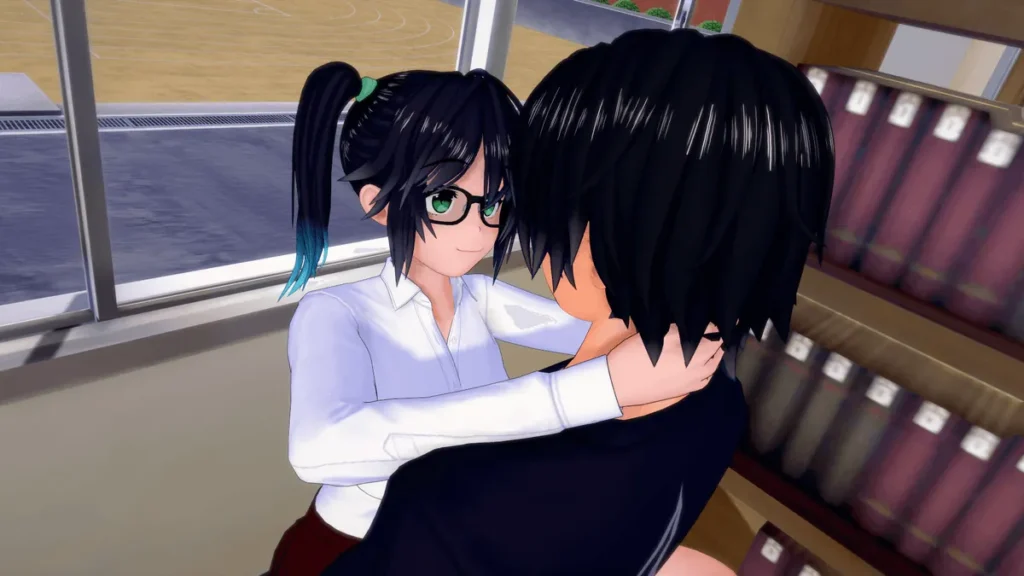
The genius of the Crimson High story progression lies in this blend. You have a central, driving narrative (like school events or underlying mysteries) that provides a timeline and structure. Woven into this are the personal stories of the heroines. A perfect example is the library scene with Yukari. It’s a quiet, optional moment that reveals her intellectual depth and hidden passions, enriching the main story without being a mandatory part of its immediate plot. Similarly, the bedroom scene with Aki is a story-driven turning point that connects directly to her personal history and emotional state, rather than feeling like a detached encounter.
Character Arcs and Relationship Building in Crimson High
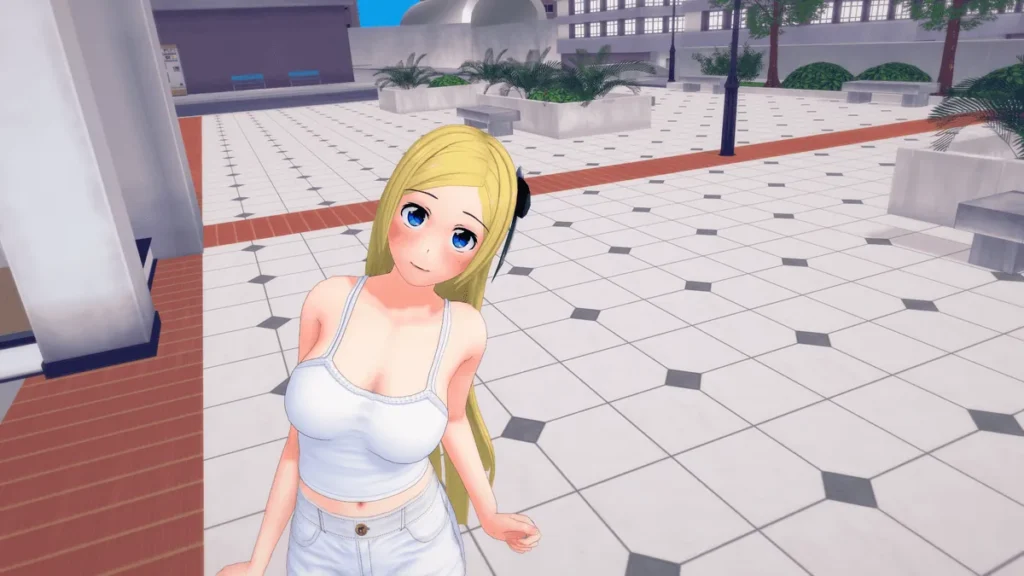
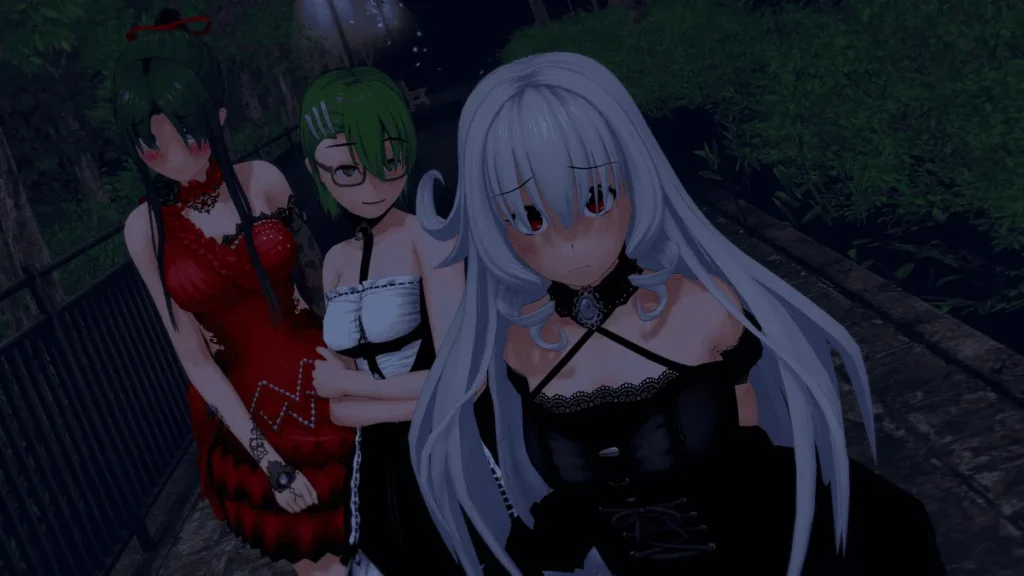
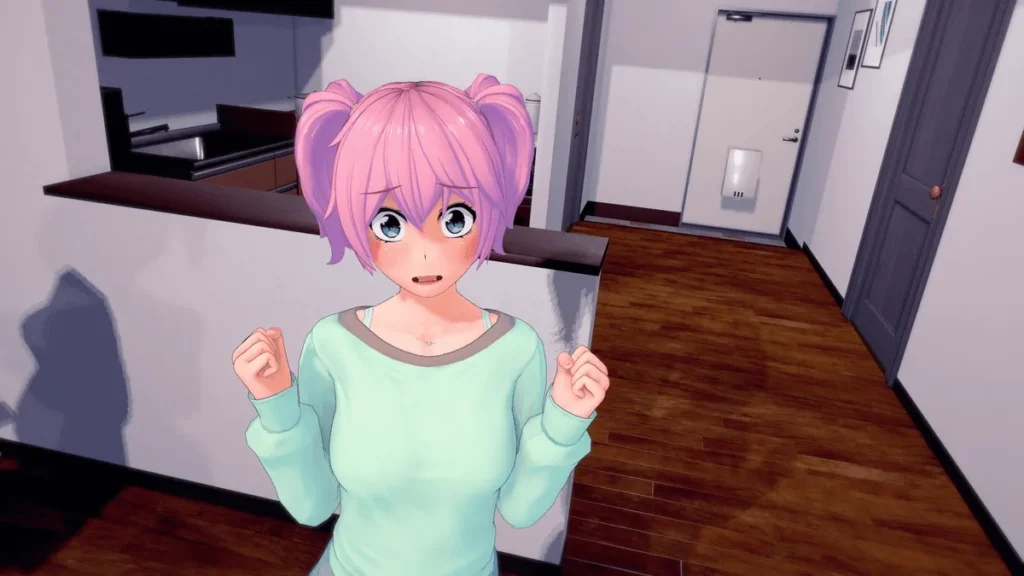
This is where Crimson High truly excels. The game features a clear distinction between main heroines and sub-heroines, each with their own dedicated character arcs. The main heroines—Mana, Yukari, and Aki—have deeply integrated, complex stories that are essential to the core narrative. Your interactions with them feel consequential and are packed with story reveals. Sub-heroines like Jun, Miri, and Nao offer rich, optional side stories that complement the main plot and enhance the world’s immersion.
Let’s break down the core cast and their evolving journeys.
| Character | Role | Key Story Elements & Arc Direction |
|---|---|---|
| Mana | Main Heroine | Centered on family pressure and legacy. Her arc explores breaking free from expectations and discovering her own identity beyond her prestigious family name. Early moments directly tie into this vulnerability. |
| Yukari | Main Heroine | The studious, seemingly reserved class rep with hidden layers. Her arc involves opening up, sharing her private intellectual world, and confronting the pressures of perfection. |
| Aki | Main Heroine | Portrays a more rebellious, independent spirit. Her storyline delves into themes of trust, past emotional wounds, and learning to rely on others, making her bedroom scene a crucial narrative beat. |
| Jun | Sub-Heroine / Friend | Acts as the protagonist’s reliable confidant. Her arc is often lighter but focuses on loyalty, support, and the nuances of transitioning from friendship to potentially something more. |
| Miri | Sub-Heroine | The energetic underclassman. Her story brings a sense of fun and innocence, often exploring admiration, youthful crush dynamics, and adding levity to the main plot. |
| Nao | Sub-Heroine | Often a source of gossip and school intrigue. Interacting with her can unlock alternative perspectives on events and other characters, fleshing out the social ecosystem of the school. |
The visual novel relationship mechanics are the engine driving these arcs. 💝 Unlike simple affection point systems, connection in Crimson High feels dialogue-driven and context-sensitive. Your choices during conversations—whether you’re supportive, curious, playful, or reserved—directly shape how a character perceives you and opens up (or closes off) subsequent story branches.
My Tip: Don’t just spam “nice” options. Pay attention to the character’s mood. Sometimes, Aki respects a bold challenge, while Yukari might appreciate thoughtful curiosity over bluntness.
This approach to visual novel character development ensures that romantic or intimate scenes feel earned and narrative-justified. They are positioned as emotional culminations or vulnerable breakdowns within a character’s arc, not random rewards. This directly addresses player feedback about “narrative necessity”—the game argues that these moments are part of the character’s developmental journey, especially in a story about young adults navigating intense emotions and relationships.
Furthermore, optional interactions with background characters aren’t just filler. 🎭 Stopping to chat with a club member or a teacher can provide world-building details, alternative viewpoints on main events, or simply make the school feel like a living, breathing place. This layered approach to storytelling is a hallmark of a well-crafted AVN narrative structure.
What Makes the Story Engaging for Players?
So, what’s the secret sauce? Why do players get so invested in the Crimson High storyline? From my experience, it boils down to three things: meaningful consequence, emotional authenticity, and masterful pacing.
First, the game creates a powerful illusion of choice and consequence. When you dedicate time to Yukari in the library, it doesn’t just check a box; it alters her subsequent dialogue and unlocks new, private layers to her story. This makes the Crimson High story progression feel uniquely yours. You’re not just watching a story unfold; you’re actively collaborating in its telling by deciding which character arcs to prioritize and deepen.
Second, the characters feel authentic. Their problems—family pressure, fear of failure, loneliness masked by independence—are relatable. The game gives them space to be flawed and vulnerable. Mana isn’t just a love interest; she’s a young woman struggling under the weight of expectation. This visual novel character development encourages empathy, making you care about the outcomes of their journeys.
Finally, the pacing is designed to hook you. Chapter 1 grabs your attention with high-impact moments and clear character introductions. Chapter 2 then slows down to develop those connections, while sprinkling in bigger plot mysteries that leave you wanting more. It’s a rollercoaster of quiet, character-driven scenes and tense, plot-advancing moments that constantly asks, “What happens next?” This careful Crimson High chapter guide to emotional rhythm is what sustains engagement over hours of gameplay.
The balance between the main plot and the character-specific routes is also crucial. You always feel the forward momentum of the school year and overarching events, but you can step off that main path to explore a relationship in depth. This structure caters to both types of players: those who want to see the “main story” and those who want to romance their favorite character. It all contributes to a Crimson High storyline explained not as a single thread, but as a rich tapestry of interwoven lives.
FAQ: Crimson High Story & Relationships
Q: Is the story linear, or do my choices significantly change the narrative?
A: While there is a central plot that progresses, your choices have a major impact on relationship building and which character arcs you experience in detail. Early chapters are more linear to establish the story, but by Chapter 2, your path begins to diverge based on who you spend time with and how you interact with them.
Q: How does the game balance the adult content with the actual story?
A: The developers have integrated these scenes as narrative milestones. They are typically positioned as emotional climaxes or vulnerable moments within a character’s personal journey (like exploring Mana’s family issues or Aki’s trust barriers). The intent is for them to feel like a part of the visual novel character development, rather than separate from it.
Q: What can I expect from the pacing in future chapters?
A: Based on the AVN narrative structure established, Chapter 3 will likely see the consequences of your choices become more locked in. Expect heightened drama, resolution of some ongoing tensions, and potentially the beginning of a “route lock” where you commit to pursuing a specific heroine’s story to its conclusion.
Q: Are the sub-heroines worth spending time on?
A: Absolutely! While their stories may not be as central to the main plot, characters like Jun, Miri, and Nao provide wonderful world-building, different emotional tones, and fulfilling side stories. They greatly enhance the immersion and make the school feel populated with real people.
Q: I’ve heard about “forced” scenes early on. Do they harm the character development?
A: This is a common point of discussion. The game uses these early intense moments as dramatic catalysts to accelerate intimacy and expose character flaws or trauma quickly. From a narrative standpoint, they are designed to be the start of a development arc, not the reward for one. Your subsequent choices determine how that relationship heals, grows, or evolves from that foundational moment.
Ultimately, Crimson High presents a Crimson High storyline explained through connection and consequence. Its strength isn’t just in one compelling plot, but in the many personal stories that grow from your choices, making each playthrough a unique exploration of its beautifully crafted world.
Crimson High stands out as a visual novel that prioritizes meaningful character development alongside its adult content. The game’s narrative structure carefully builds relationships and backstories, with each character serving a purpose in the larger story arc. From Mana’s family-driven plotline to the strategic placement of intimate scenes that serve narrative purposes, the game demonstrates thoughtful storytelling. As players progress through the chapters, they’ll discover that seemingly unnecessary scenes often connect to deeper character motivations and future plot developments. The balance between main heroines and sub-heroines, combined with opportunities to interact with background characters, creates a rich world that rewards player engagement. With Chapter 3 on the horizon, fans have much to anticipate as the story continues to unfold and character relationships deepen.