Play Bare Witness
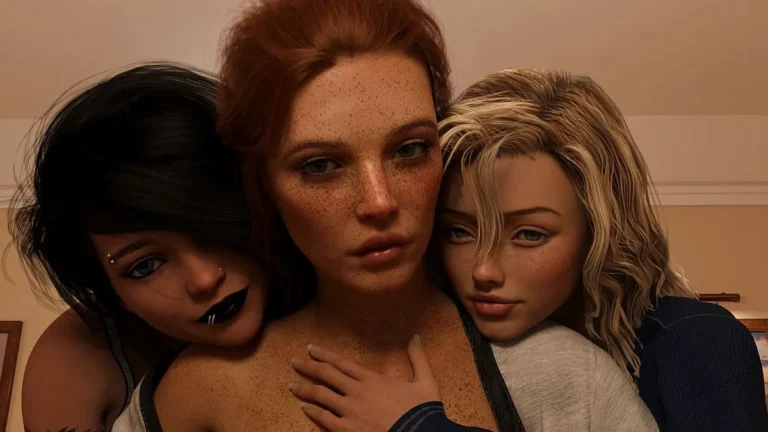
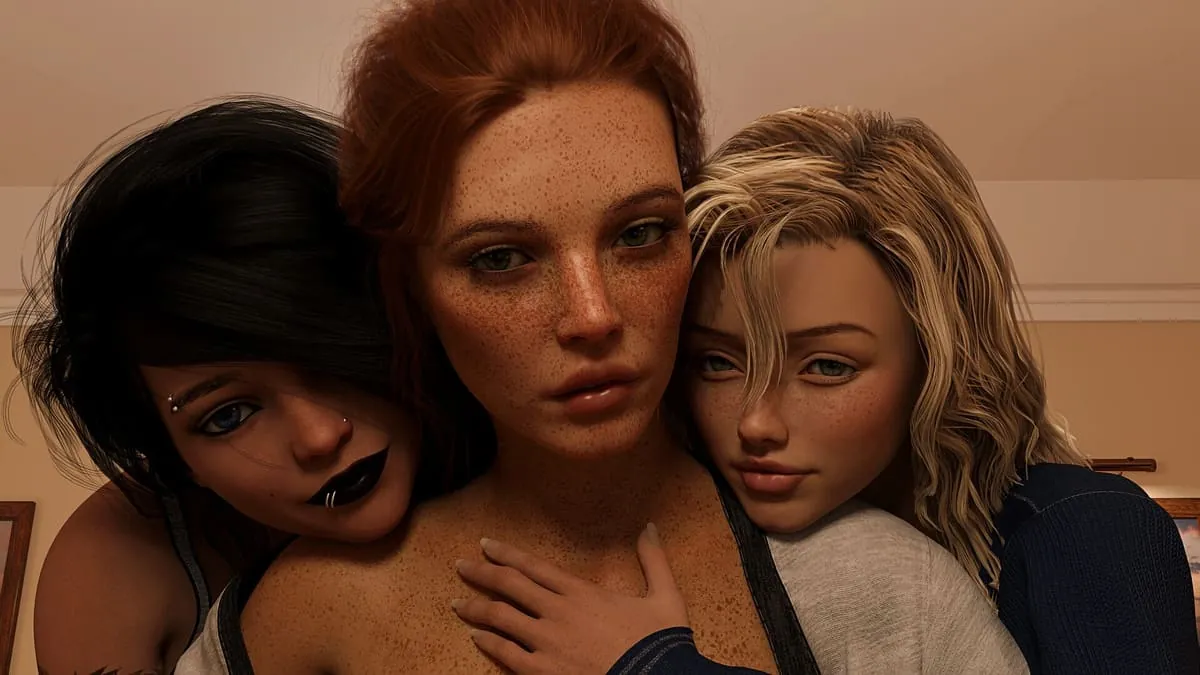
Bare Witness Screenshots




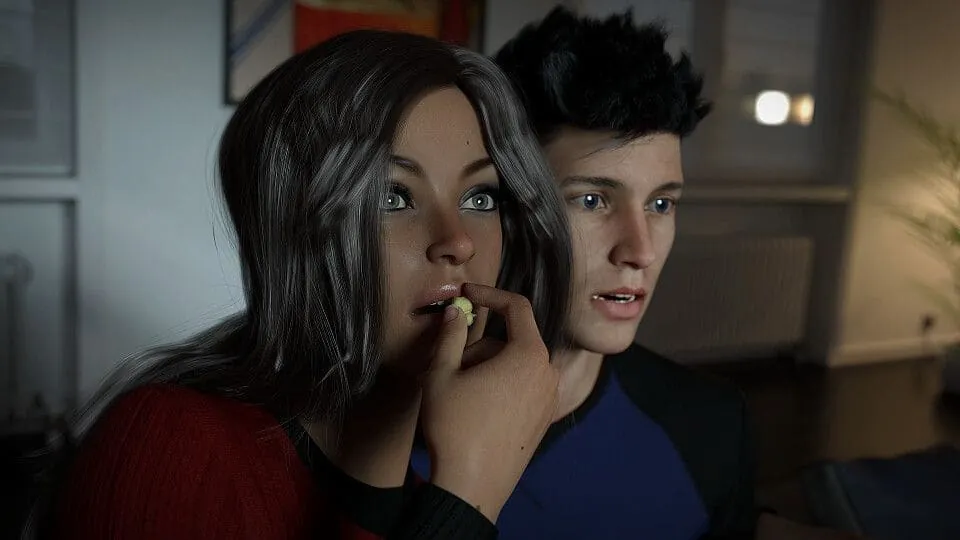
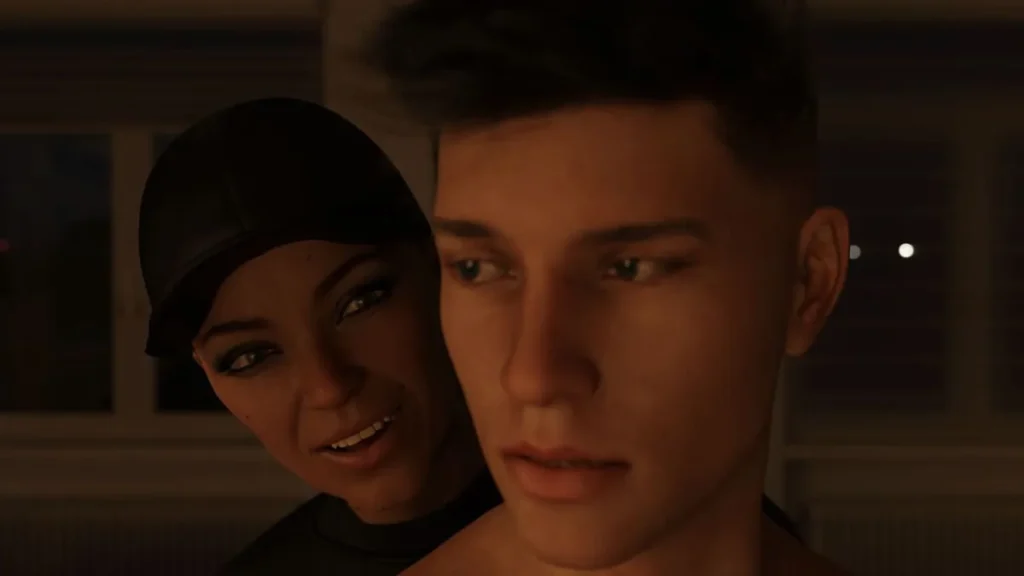
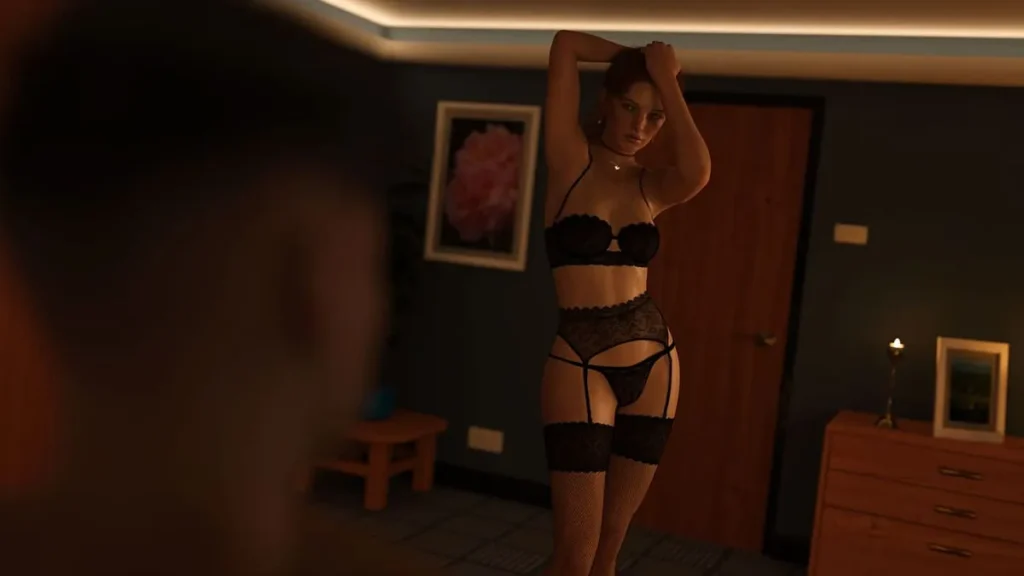

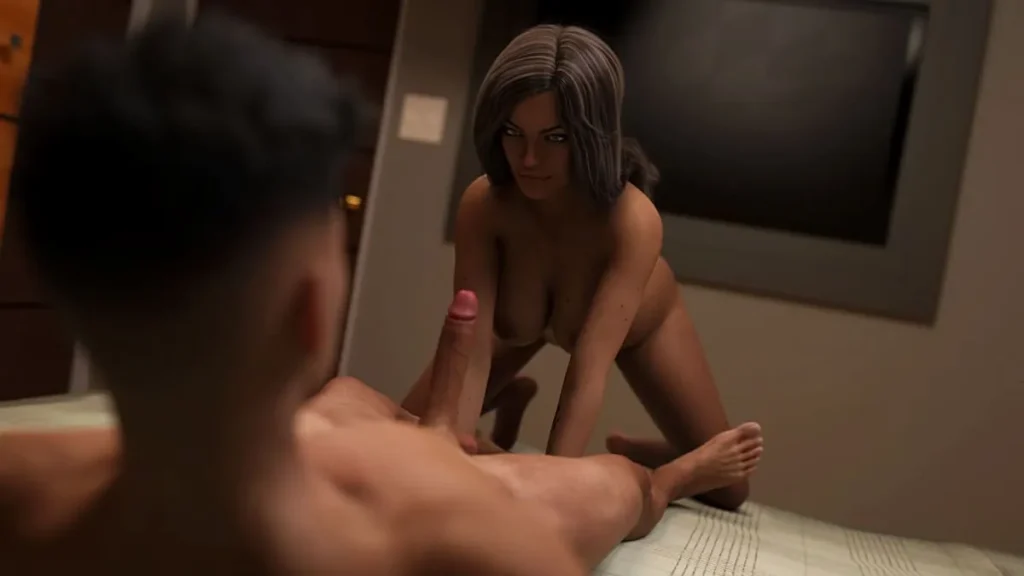



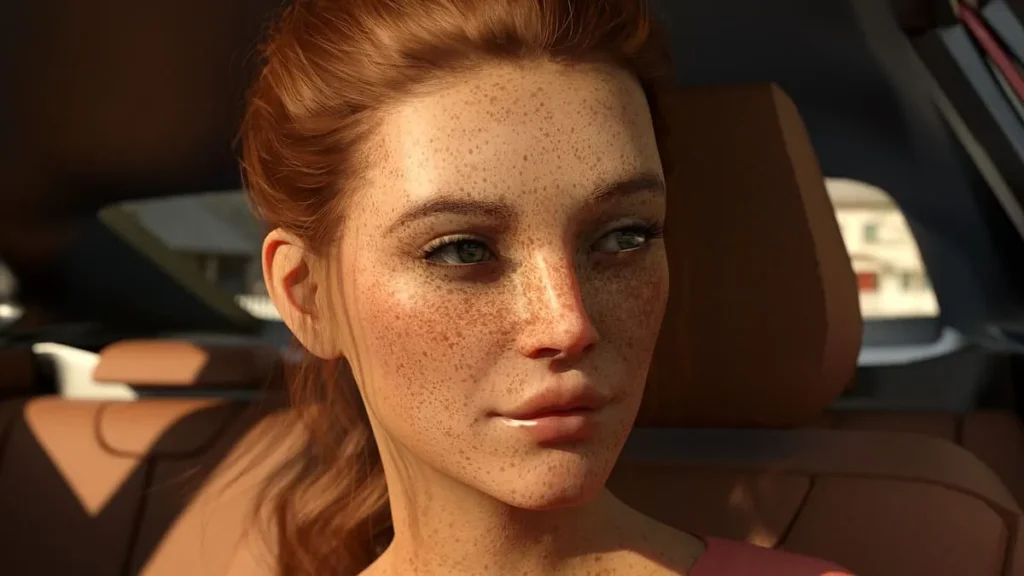
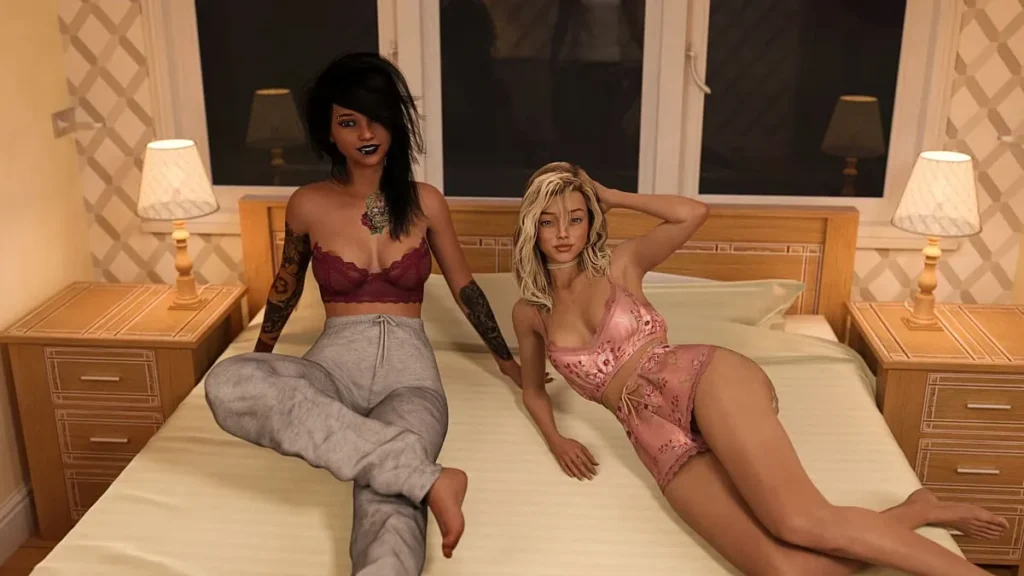
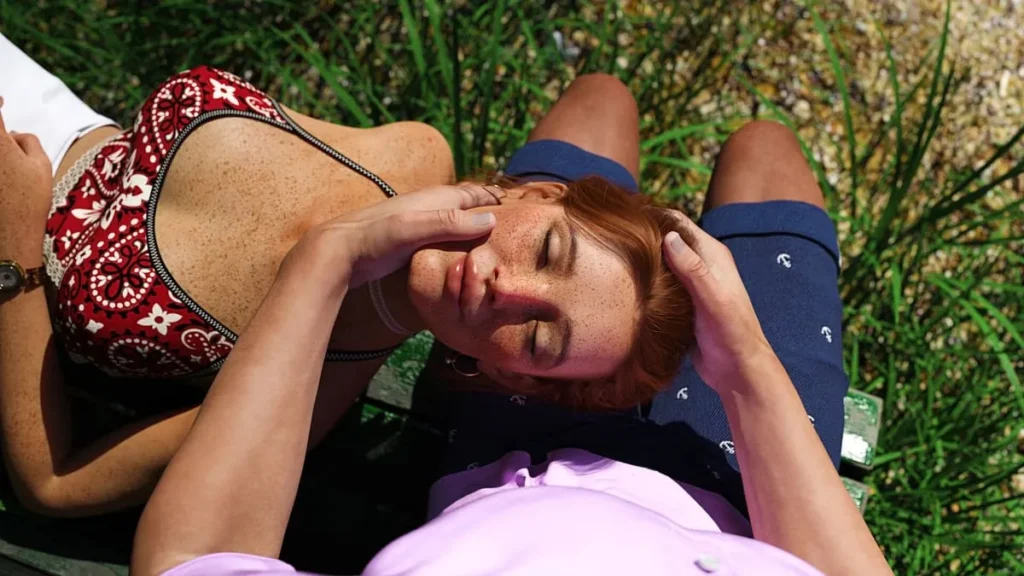
Bare Witness review
Explore the interactive narrative experience with 11 endings and meaningful decision-making
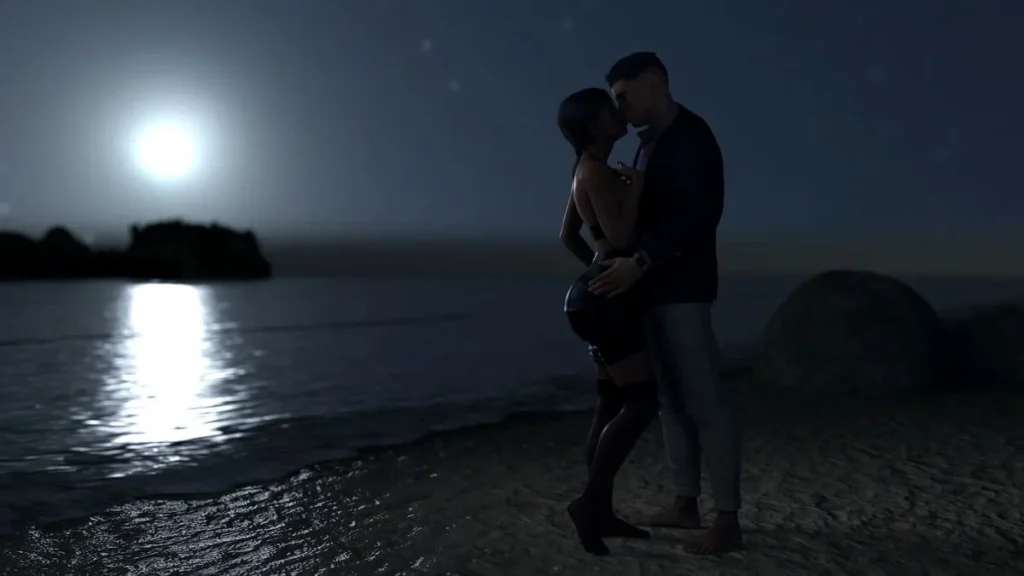
Bare Witness stands out as a distinctive interactive narrative experience set at the fictional Plattsburgh College of the Arts in upstate New York. This adult visual novel immerses players in the final year of university life through the perspective of Athena, a photography student navigating complex relationships and personal growth. With 11 primary endings, six love interests, and a branching narrative system where every choice matters, Bare Witness delivers a story-driven experience that rewards multiple playthroughs. Whether you’re drawn to solo relationship paths or exploring polyamorous storylines, this guide explores what makes Bare Witness a compelling choice for players seeking meaningful interactive fiction.
Understanding the Bare Witness Narrative Framework
Picture this: you’ve just moved into a shared house with three other students for your final year of university. The air is thick with the promise of new beginnings, the anxiety of the future, and the quiet, unspoken histories of the people you’re about to live with. This is where Bare Witness begins, and it’s not just a setting—it’s the entire emotional Petri dish for its story. 🏠
Unlike many games that thrust you into world-saving epics, Bare Witness finds its profound power in intimacy. You step into the worn-out sneakers of Athena, a photography student, and the game’s genius lies in making you see the world through her lens, both literally and figuratively. The Bare Witness narrative isn’t about grand plot twists; it’s about the delicate, often messy process of truly seeing the people around you. It’s a masterclass in visual novel storytelling where the drama is baked into shared meals, late-night talks, and the silent understanding that grows in cramped, familiar spaces.
This chapter is your foundation. We’re going to peel back the layers of this beautiful game, exploring how its deceptively simple framework of life, lenses, and choices creates one of the most authentic interactive experiences out there. Let’s get started.
The Core Story: Four Students, One House, Infinite Possibilities
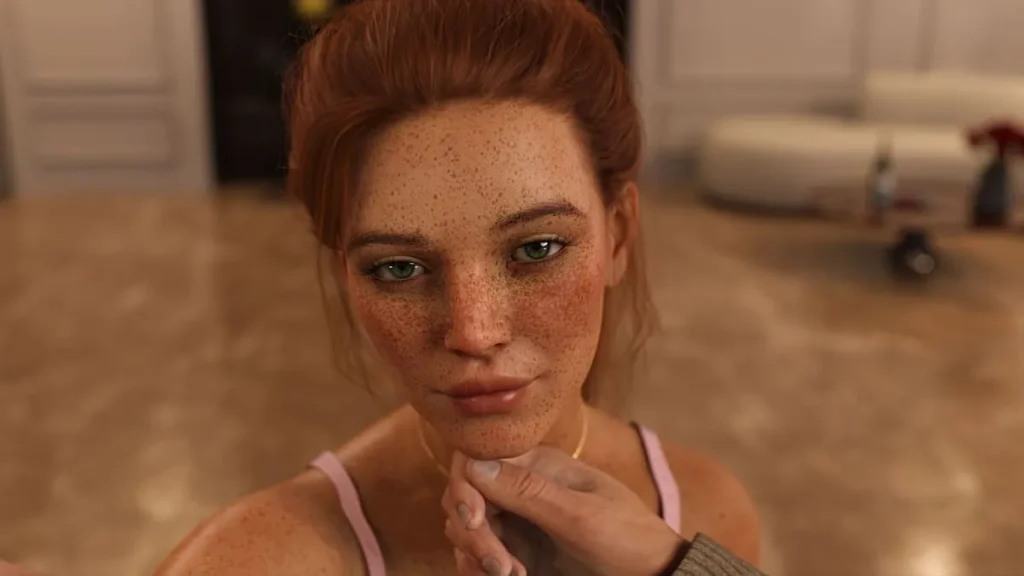
At its heart, Bare Witness is a character study. You have Athena, our viewpoint character, whose passion for photography is her primary way of engaging with the world. Then there are her housemates: the driven and perhaps secretly soft-hearted Morrigan, the energetic and artistic Heidi, and the grounded, kind-hearted Sadie. Your year with them is the canvas, and your choices are the brushstrokes.
The game’s pacing is intentionally slow, almost lyrical. It doesn’t rush you from plot point to plot point. Instead, it invites you to linger. You’ll experience lazy Sundays, stressful exam weeks, spontaneous parties, and those quiet, in-between moments that real life is made of. This atmospheric immersion is a crucial Bare Witness gameplay mechanic. By refusing to hurry, the game makes you invest in the environment and the people. You start to care about the mundane details—what music is playing in the kitchen, the state of the garden, the specific brand of tea a housemate prefers. This investment is what makes the meaningful choices in games later on actually feel meaningful.
Think of it like moving into a real share house. The first few weeks are about learning rhythms: who does the dishes, who hogs the bathroom, whose laugh echoes down the hall. Bare Witness replicates this beautifully. The core gameplay loop isn’t about combat or puzzles; it’s about being present. Here’s how that loop typically flows:
- Exploration: Moving through the house and garden, clicking on points of interest.
- Conversation Triggers: Initiating talks with housemates, which are often tied to your location and the time of day.
- Event Discovery: Unlocking specific scenes or moments by being in the right place at the right time, or after making certain relationship-building choices.
- Photography Mechanics: Using Athena’s camera to capture a moment, which often serves as a way to internally highlight what you, the player, find significant in a scene.
This structure turns the house into more than a backdrop; it becomes a living, breathing character in its own right. Every creaky floorboard and sun-drenched window seat holds potential. The Bare Witness narrative thrives in these spaces, proving that the most compelling stories aren’t always about where you’re going, but about who you’re with right now.
How Player Choices Shape Your Journey in Bare Witness
Now, let’s talk about the engine that drives everything: the interactive choice system. Forget everything you know about morality meters or clearly marked “good” and “bad” dialogue options. Bare Witness throws that rulebook out the window. Its philosophy is radically simple: there are no right or wrong answers, only your answers.
Choices here feel less like strategic game moves and more like natural, human reactions. The game presents you with a situation and offers responses that are nuanced, sometimes awkward, and always believable. The brilliance is that these choices aren’t about manipulating a character’s “affection points” in a visible bar (though there are hidden variables at work). They’re about defining who Athena is in that moment and, by extension, shaping how her relationships evolve organically.
My Tip: Play your first run completely intuitively. Don’t try to “game” the system or guess what the “best” outcome is. Choose what feels right to you in the moment. The authenticity of your experience will be infinitely richer.
These decisions are the architects of the game’s branching narrative paths. A kind word during a moment of vulnerability might open up an entire subplot with one character weeks later. A decision to give someone space might gently close a door, redirecting the narrative flow toward another housemate. It’s a delicate, cumulative process where small moments build into life-changing connections.
Let’s look at a concrete example from early in the game: The Garden Scene.
You find Morrigan, often stoic and reserved, visibly upset in the garden. The game doesn’t tell you why. It simply presents you with Athena’s instinctive thoughts and gives you two core choices:
- “Maybe she wants to talk…” (Initiate a conversation)
- “Maybe she wants to be alone. I could make tea…” (Offer a quiet, practical gesture)
This is a perfect case study in how do choices affect Bare Witness endings. There’s no obvious optimal path.
- Choosing to talk is a direct, empathetic approach. It signals to Morrigan that Athena is observant and willing to engage with her emotionally, even if it risks intrusion. This choice can begin to build a foundation of trust, potentially nudging the story toward a path where Morrigan reveals more of her insecurities and goals later on.
- Choosing to make tea is an act of indirect care. It respects her apparent need for space while still offering comfort. It communicates that Athena is thoughtful and perceptive in a different way. This might lead Morrigan to appreciate Athena’s quiet support, opening up a relationship dynamic built on unspoken understanding rather than deep verbal rapport.
Neither choice is “correct.” Both are valid, human responses. But each one sends a tiny, imperceptible ripple through the narrative stream. It changes Morrigan’s internal perception of Athena. It influences the tone of their future interactions. And, crucially, it contributes to the hidden calculus that determines which of the four main character routes you will eventually unlock, and which of the 11 endings you’ll ultimately witness.
The system is elegant because it mirrors real life. We build relationships through a thousand tiny gestures, tones of voice, and decisions to either step forward or hold back. Bare Witness gets this. Your journey is uniquely yours because the interactive choice system trusts you to navigate human complexity without a guidebook.
| Your Choice | Immediate Character Reaction | Potential Long-Term Narrative Influence |
|---|---|---|
| Offering Conversation | May open up a deeper dialogue now, or might be met with deflection. | Builds a relationship style based on direct emotional engagement. Can be key to unlocking a specific character’s close confidante route. |
| Offering a Gesture (Tea) | Often appreciated as thoughtful, may not resolve the immediate issue. | Builds a relationship style based on quiet, practical support. Can lead to a slower-burn, deeply trusting connection. |
| Choosing to Photograph the Moment | No direct dialogue reaction, but Athena internalizes the scene. | Reinforces Athena’s identity as an observer. Can influence which moments feel “important” to the player’s personal story. |
The Photography Mechanic: More Than Just a Game Feature
If choices are the heart of the game, then photography is its soul. This isn’t a tacked-on gimmick; it’s a fully integrated Bare Witness gameplay mechanic that serves multiple profound purposes. For Athena, the camera is an extension of herself. For you, the player, it becomes a tool for interaction, reflection, and narrative emphasis.
On a practical level, you can click your camera in many scenes to “take a picture.” The game freezes, you can adjust the frame slightly, and snap. These photos go into an in-game gallery, creating a visual diary of your playthrough. But it’s so much more than a collection feature.
First, it’s a mode of active engagement. In a medium where players can sometimes become passive readers, the camera gives you an active role in curating the story. When you choose to take a photo, you’re saying, “This moment matters. I want to remember this.” It forces you to look closer, to find the composition in a scene—a shaft of light on a character’s face, the way hands are held, the isolation of a figure in a doorway. This active looking deepens your immersion like nothing else.
Second, it’s a powerful narrative metaphor. Bare Witness is, at its core, a game about perspective. What do we choose to focus on in our lives? What do we frame, and what do we leave out of the shot? Athena uses her camera to make sense of the world, and by using it, you are participating in that very process. The act of framing a shot is synonymous with the act of making a choice in the story—you are deciding what part of this reality to preserve, to give importance to.
For example, in a lively group scene, do you take a wide shot capturing everyone’s joy, or do you zoom in on the subtle, wistful expression on one character’s face that others might be missing? Your photographic choices become a silent commentary on the story you’re experiencing and the connections you’re valuing most.
Finally, it’s a brilliant character development tool for Athena. The photos she’s inspired to take tell us about her growth. Early photos might be more technical or focused on objects. As she grows closer to her housemates, the focus inevitably shifts to people, to emotions, to capturing the essence of a person rather than just their image. Your use of the camera subtly role-plays this artistic and emotional journey.
When combined with the interactive choice system, the photography mechanic creates a beautiful duality. Your dialogue choices define your relationships through words and actions. Your camera choices define them through attention and artistic expression. Together, they form a complete picture of Athena’s experience—and yours. They are the twin instruments you use to navigate the branching narrative paths, ultimately determining the emotional landscape of your final year and the Bare Witness ending you earn.
So, as you move into that digital share house, remember to do more than just click through text. Slow down. Look around. Really see your housemates. And don’t forget to sometimes lift the camera and frame the moment, because in Bare Witness, how you see the world is just as important as what you say in it. 📸✨
This foundational understanding of the story, the choice philosophy, and the role of photography is your key to unlocking everything this remarkable visual novel has to offer. It prepares you to embrace the uncertainty, to cherish the small moments, and to appreciate how every single decision, every framed shot, is quietly weaving the unique tapestry of your story. Your year with Athena, Morrigan, Heidi, and Sadie awaits—and it’s infinitely replayable because of this deep, respectful framework. Good luck, and choose authentically
Bare Witness represents a thoughtfully crafted interactive narrative experience that prioritizes meaningful player agency and emotional storytelling. From its nuanced choice system that shapes every relationship and ending, to its diverse cast of love interests and multiple narrative paths, the game delivers substantial replay value for players seeking depth beyond surface-level decision-making. The photography mechanic elegantly reinforces the game’s themes of perspective and framing, while the slow-paced, atmospheric approach creates space for genuine character development and emotional connection. Whether you’re drawn to solo relationship routes or exploring the complexity of polyamorous storylines, Bare Witness offers a complete visual novel experience without unnecessary grinding or sandbox mechanics. With 11 distinct endings and a commitment to providing full relationship conclusions for every path, the game respects player investment and curiosity. For those seeking an adult visual novel that balances intimate moments with meaningful narrative choices, Bare Witness stands as a compelling option worth exploring across multiple playthroughs.