Play After the Inferno
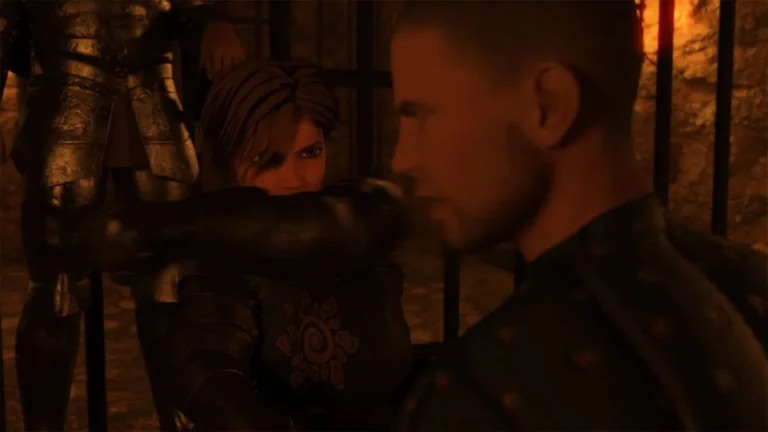
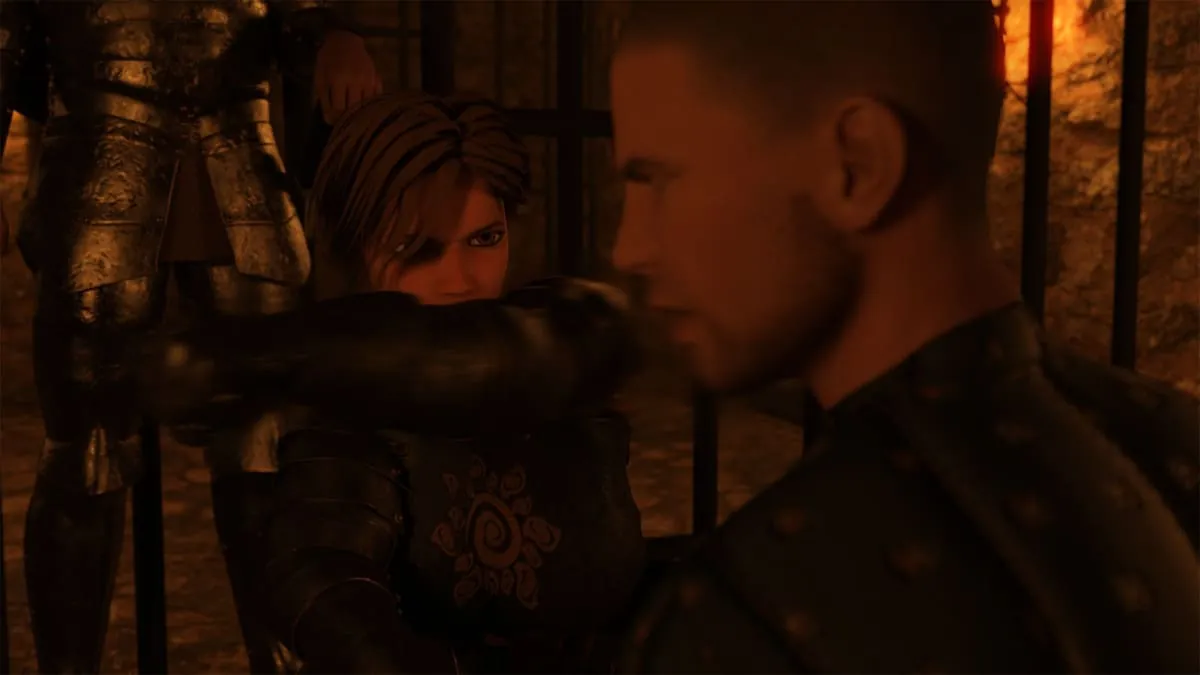
After the Inferno Screenshots
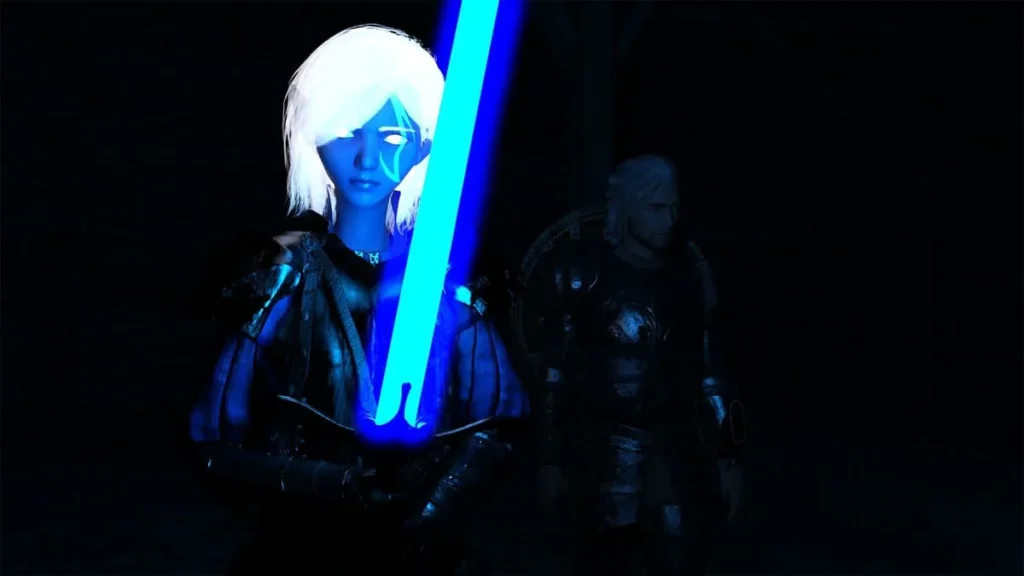
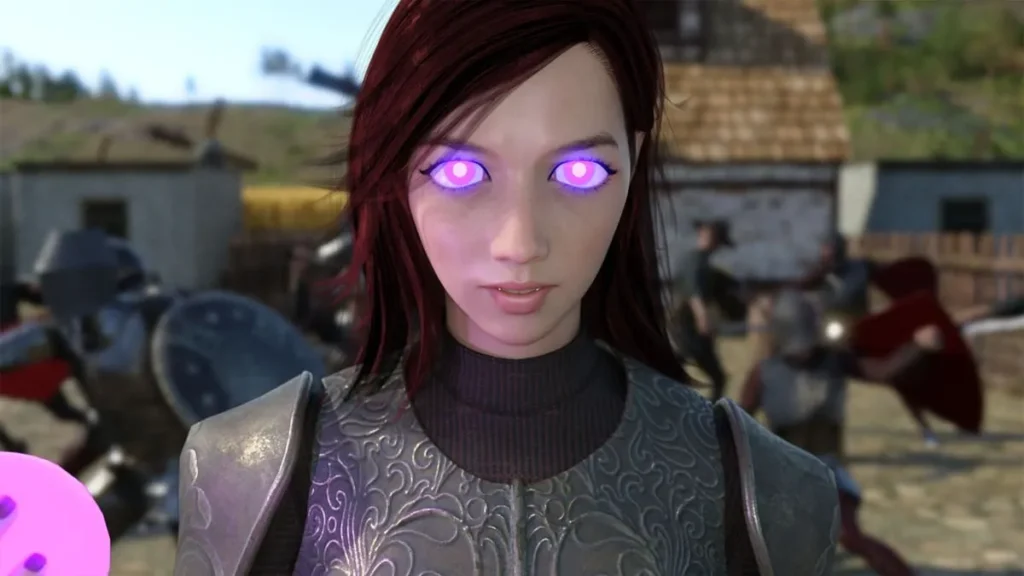
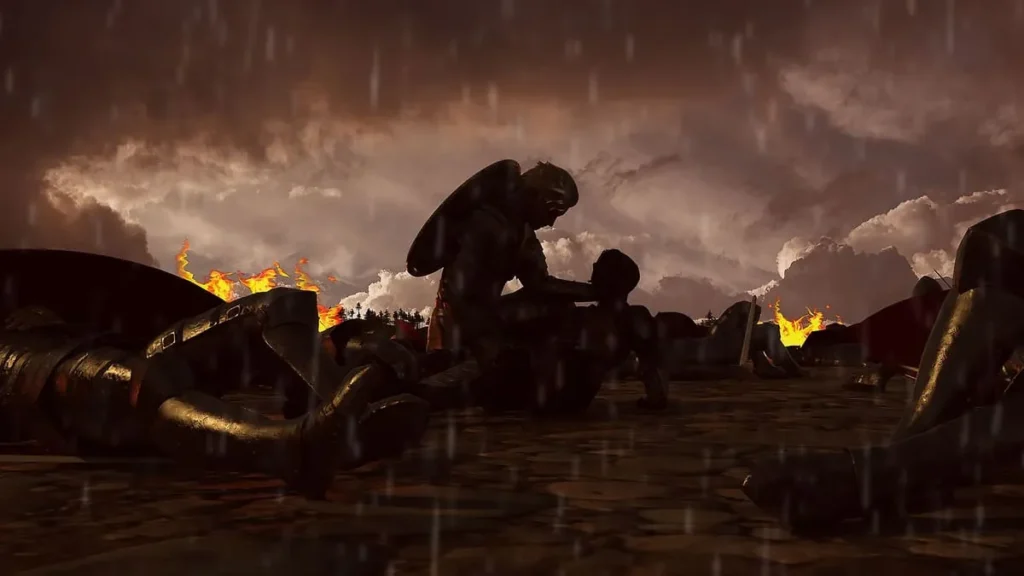

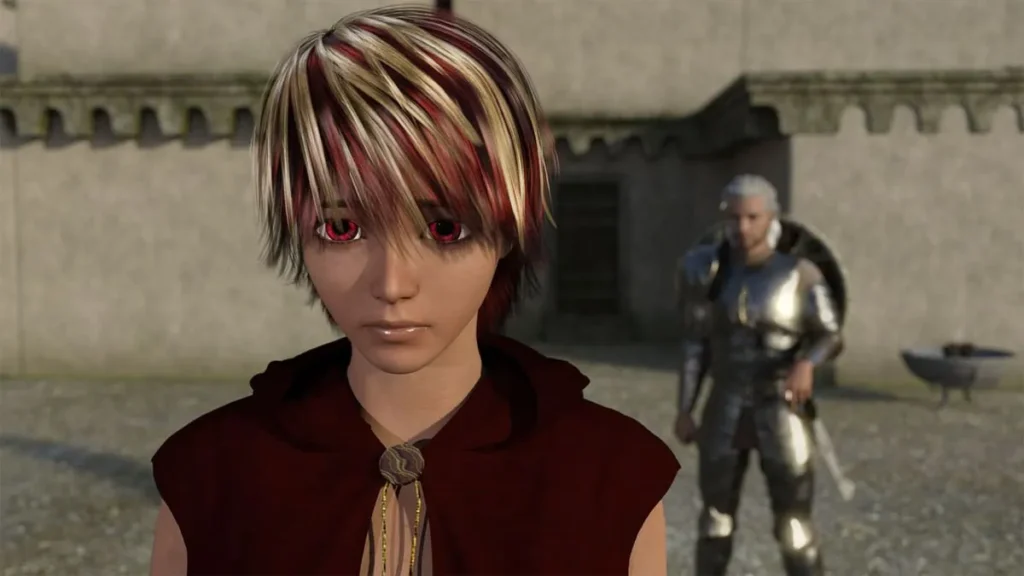
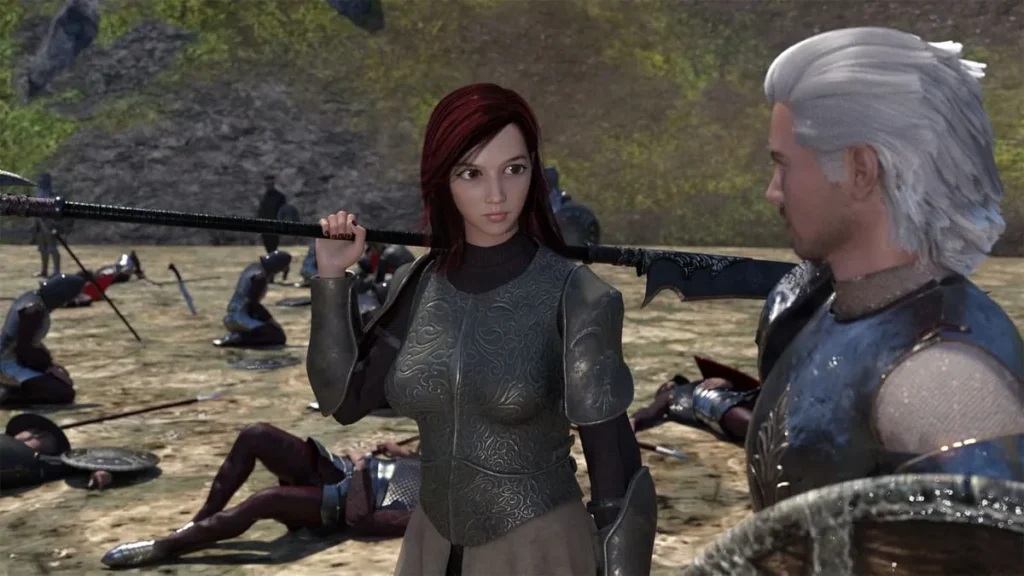
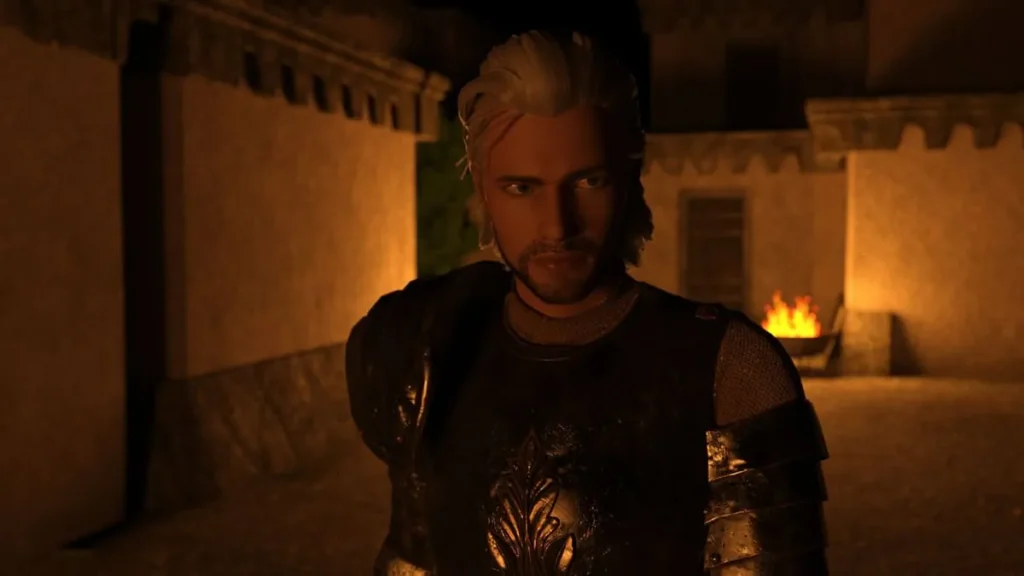

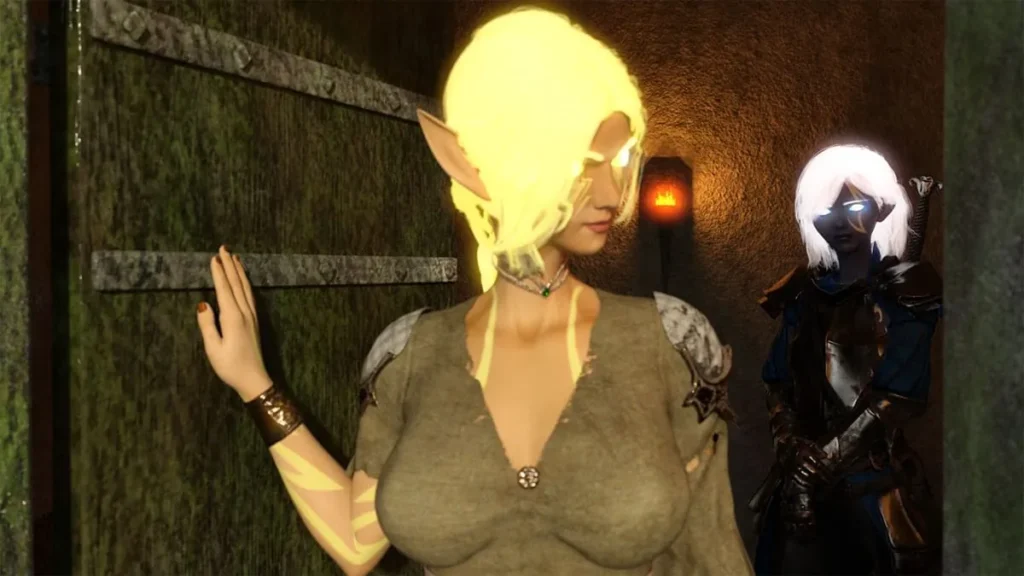
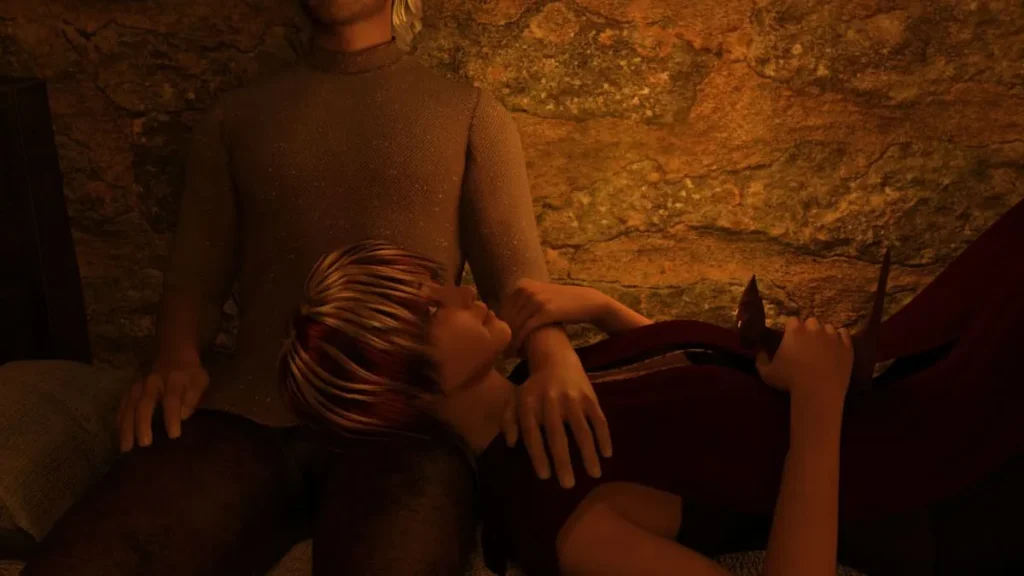

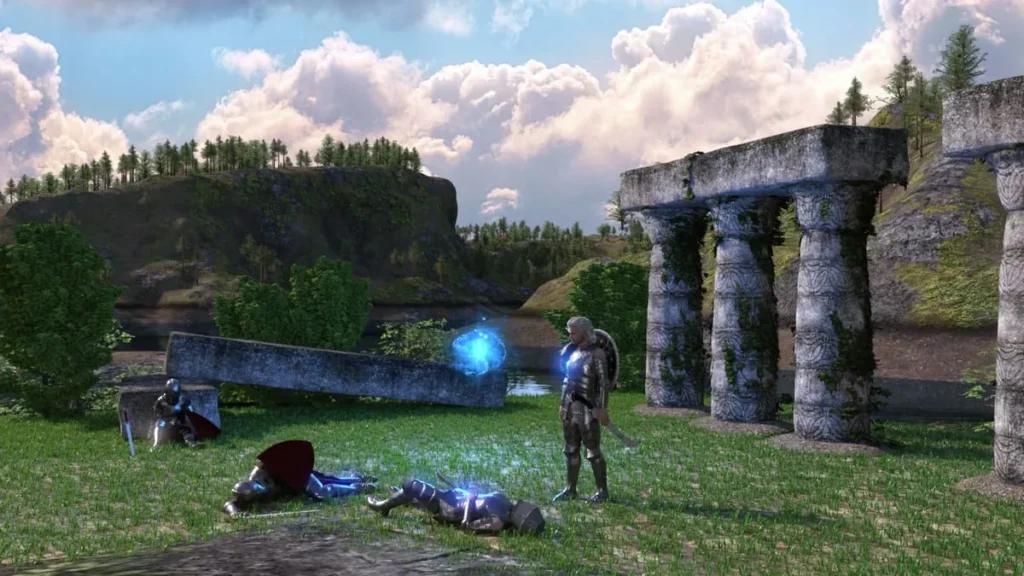
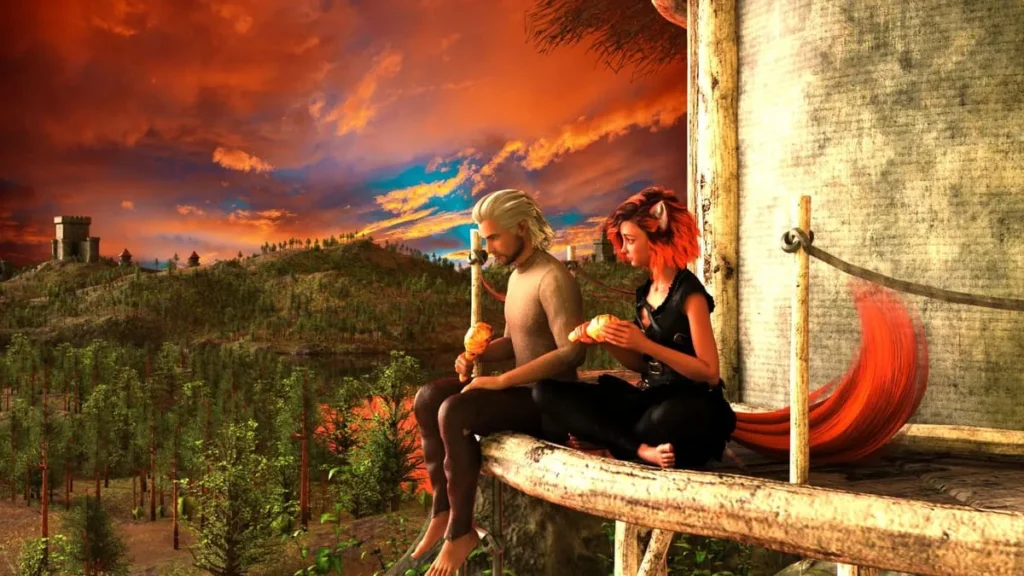
After the Inferno review
Explore storyline, characters, and gameplay mechanics in this narrative-driven experience
After the Inferno stands out as a narrative-rich visual novel that combines compelling storytelling with mature content elements. This guide explores what makes this game unique, from its intricate plot and character development to its gameplay mechanics and player choice systems. Whether you’re curious about the story depth, character relationships, or how the game handles player agency, this comprehensive overview covers everything you need to know about experiencing After the Inferno. The game appeals to players seeking meaningful narratives alongside its distinctive visual presentation.
Story, Characters, and Narrative Depth in After the Inferno
Let’s be honest—you’re not here just for the pretty pictures. 🎨 While the art in After the Inferno is stunning, the real magic is in the words. You’re here for a story that grabs you, characters that feel real, and choices that actually matter. If that’s what you’re after, you’ve hit the jackpot. This isn’t a passive read; it’s a narrative-driven visual novel gameplay experience where you steer the ship through calm seas and stormy waters.
The After the Inferno visual novel story is a masterclass in world-building and emotional stakes. It pulls you into a richly detailed fantasy realm not with a info-dump, but with a personal, intimate story of loss, duty, and finding a new place to belong. Forget everything you think you know about lightweight visual novels—this one has serious visual novel story depth.
Understanding the Core Narrative and Setting
The story begins in ashes—literally. You step into the worn boots of Devran, a former soldier whose world was burned away in a catastrophic event known as the Inferno. 😔 He’s not a chosen one or a destined hero; he’s a survivor, haunted and trying to piece together a life in the port city of Silverhaven. This grounded starting point is what makes the narrative so compelling. You’re not saving the world on day one; you’re figuring out how to live in it.
The brilliance of the After the Inferno narrative is how it unfolds its lore. Instead of long historical scrolls, the world is revealed through living it. You learn about the political tensions between the Sun Kingdom and the Moon Elves through conversations in a dusty tavern. You understand the weight of the lost Great Library by feeling its absence in the scholars you meet. The game features an ingenious Codex System that automatically fills as you encounter new people, places, and concepts. It’s not homework; it’s a living journal of your discoveries, providing crucial context that makes every interaction richer.
This approach means the narrative-driven visual novel gameplay is seamless. You’re always in Devran’s head, making choices that range from the mundane (what to have for dinner) to the monumental (who to trust with a dangerous secret). The setting of Silverhaven—a city of refugees, merchants, and secrets—becomes a character itself, and exploring its corners is a key part of the story’s appeal.
Character Development and Relationship Dynamics
If the world of After the Inferno is the stage, the characters are the unforgettable performers who bring it to life. 🎭 This isn’t a tale of a lone wolf; it’s about the connections you forge. Each major character is intricately designed with their own motivations, traumas, and hopes, and getting to know them forms the heart of the experience.
Devran is the perfect lens for this world. His military background provides a specific skillset and a guarded personality, but how you choose to play him—whether as a cynical loner, a compassionate leader, or someone wrestling with wit and sarcasm—defines your unique story. The writing allows for remarkable range in his voice based on your selections.
The characters you meet are far from archetypes. Let’s turn this into a practical After the Inferno character guide with a look at the core relationships you can develop:
| Character | Story Focus & Route Theme | Relationship Dynamics & Outcome |
|---|---|---|
| Seryn (Moon Elf Scout) | Cultural Bridges & Past Wounds. This path delves deep into the tension between humans and Moon Elves, exploring prejudice, duty, and healing old scars. | A relationship built on mutual respect and slow-built trust. Choices here test Devran’s diplomacy and his ability to see beyond wartime allegiances. |
| Kael (Fellow Veteran) | Brotherhood & Survivor’s Guilt. This is a powerful story about coping with shared trauma, loyalty, and finding purpose after the battlefield. | A deep, platonic bond or a romantic partnership rooted in profound understanding. Your choices explore vulnerability and what it means to protect those you care about. |
| Lyra (Scholar & Healer) | Rediscovery & Preservation. This route revolves around the loss of knowledge from the Inferno, the ethics of magic, and rebuilding a future. | An intellectual and emotional connection. Choices involve supporting her ambitions, engaging with philosophical debates, and protecting new-found knowledge. |
| Marek (Charming Merchant) | Ambition & Morality in a New World. This path explores commerce, power, and whether ends justify means in a shattered economy. | A dynamic fueled by charm, risk, and potential duplicity. Your choices define Devran’s moral compass and appetite for danger in the pursuit of a secure life. |
The most praised aspect of these character relationships and choices is the complete lack of a “penalty” system. 👏 You are never punished for pursuing one connection over another. The game gracefully allows storylines to progress in parallel. You can share a deeply personal moment with Kael without it locking you out of a scholarly afternoon with Lyra. This freedom mirrors real-life relationships and eliminates the frustrating “guide following” that plagues some narrative games.
Furthermore, any intimate scenes are always optional and narrative-integrated. They occur organically at the peak of emotional connection if you’ve chosen to foster a romantic path, and they feel like a earned part of the character’s journey, not a detached reward. The writing handles these moments with a maturity that focuses on emotion and character, contributing to the overall visual novel story depth.
Tip from a Seasoned Player: Don’t try to “game” the system on your first playthrough. Pick the choices that feel right for your Devran. The authenticity of that experience is far more rewarding than trying to check every box. You’ll have the save slots to explore other paths later!
FAQ: Common Questions About Story & Characters
-
Q: How do I ensure I get a “good ending” with my chosen character?
- A: Consistency and empathy are key. Listen to their concerns, support their core motivations (shown in the table above), and be present for them in key story moments. The game rewards genuine engagement over simply picking all the “nice” options.
-
Q: Can I experience all character routes in one playthrough?
- A: You can experience significant parts of each character’s story, but reaching the deepest, most conclusive narrative endpoint for a specific relationship typically requires focused attention. This is by design, to make each playthrough distinct. Luckily, the save slot system is your best friend for exploring branching narrative paths.
-
Q: How do I unlock the different narrative endings?
- A: Endings are determined by a combination of your key relationship status and major plot decisions you make in the final chapters. There isn’t one “right” choice, but several valid conclusions based on your journey. To see them all, make hard saves before major chapter transitions.
-
Q: Is the romance the main point of the story?
- A: Not at all. Romance is one powerful facet of the broader narrative about rebuilding and connection. You can have an incredibly fulfilling, complete story focusing on platonic bonds, personal redemption, or the fate of Silverhaven itself.
How Player Choices Shape the Story Experience
This is where After the Inferno truly shines as a pioneer in narrative-driven visual novel gameplay. The visual novel player choice system here is deceptive in its simplicity. You aren’t presented with obvious “Good / Evil / Sarcastic” buttons. Instead, you choose Devran’s thoughts, his tone, and his actions in subtle ways that have cascading effects.
A choice in Chapter 2 about how to handle a tense negotiation might determine which faction trusts you in Chapter 5. A moment of vulnerability shared with a character can unlock a unique, quiet scene with them much later that wouldn’t exist otherwise. This creates a powerful illusion of a living world that remembers you. The branching narrative paths aren’t just about endings; they’re about the unique journey to get there.
I remember on my second playthrough, I decided to have Devran be more pragmatic and less openly trusting. An offhand, cynical remark I made to Marek about city guards early on came back in a stunning way during a late-game crisis, where he used that shared perspective to offer me a clandestine solution I never saw in my first, more idealistic run. The script is woven with these delicate cause-and-effect threads. 🧵
The praise for the game’s writing is well-deserved. The dialogue crackles with personality, from witty banter to heartbreakingly raw confessions. Memorable lines stick with you not because they’re grandiose, but because they feel earned and true to the moment. This high-quality writing ensures that even the “quieter” scenes focused solely on conversation are as engaging as any plot twist.
Finally, the game perfectly understands replayability. With generous save slots, you are actively encouraged to go back and make different choices. See what happens if you side with a different faction. Discover how a character reacts if you’re more reserved. This design doesn’t just add hours; it adds layers of understanding to the world and its people. You’ll start to see the foreshadowing you missed, appreciate the nuances in dialogue, and truly grasp the scale of the After the Inferno visual novel story.
In the end, After the Inferno succeeds because it respects your intelligence and your agency. It offers a mature, substantive story where your character relationships and choices are the engine of the plot. It proves that a deep, narrative-driven visual novel gameplay experience can balance heartfelt romance, political intrigue, and personal healing into a single, unforgettable journey. Your first playthrough will be your story. And chances are, you’ll immediately want to start another to discover all the stories you didn’t see. ✨
After the Inferno delivers a compelling experience for players seeking narrative depth combined with mature storytelling. The game excels at balancing substantive character development and branching storylines with optional content that respects player preferences. Its comprehensive codex system, flexible save mechanics, and multiple relationship paths encourage exploration and replay value. Whether you’re drawn to the intricate plot, character interactions, or the game’s thoughtful approach to player agency, After the Inferno offers a rich visual novel experience that prioritizes story alongside its distinctive presentation. For those interested in narrative-driven games with meaningful choices and character development, this title provides the depth and engagement that define quality visual novel experiences.